10 Standby Generator Buying Tips for Global Buyers
A standby generator is more than a machine that starts when the lights go out. It is part of a backup power system, and a poor match can leave essential equipment without reliable support. For global buyers, comparing quotations takes care. The same kilowatt rating may not mean the same performance under different temperatures, elevations, fuel conditions, or operating loads. Small details matter.
This guide presents ten practical buying tips, from calculating critical loads to checking voltage, frequency, transfer-switch compatibility, noise levels, and service access. Ask suppliers for clear specifications, test records, warranty terms, and a realistic delivery schedule. Confirm which fuel the site can use and whether local technicians can obtain common parts. A low purchase price can look appealing. It may not include installation, commissioning, or ongoing maintenance.
Good decisions start with the site, not the brochure. Measure the available space. Note ventilation routes and expected operating conditions. Then compare equipment against those needs, rather than relying on a headline rating alone. Even careful planning has limits: actual loads can change, and supplier documents may leave questions unanswered. Ask for clarification before placing an order. These tips are intended to help buyers assess options more consistently and spot gaps early—not to replace qualified engineering review or applicable local requirements.
Understanding Standby Generators and Their Role
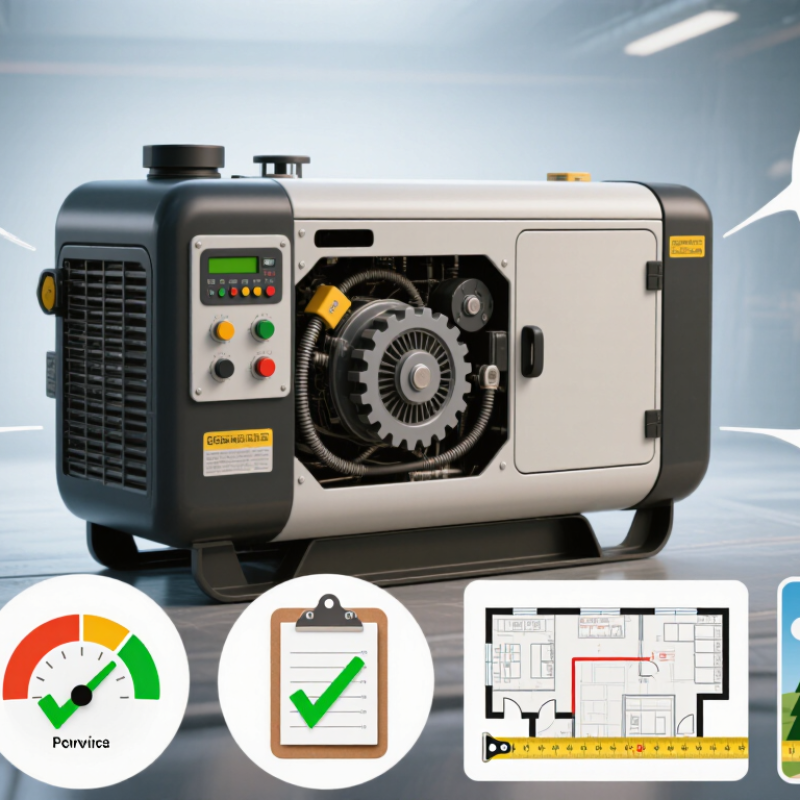
A standby generator is a permanently installed backup power source. When utility supply fails, an automatic transfer switch detects the interruption and moves selected circuits to generator power. This can keep essential equipment running, from a clinic’s refrigeration to a warehouse’s security lights. It is not intended to power every load by default. Correct sizing must account for both continuous demand and the brief surge when motors start. Small details matter: a pump can draw far more power at startup than its running rating suggests.
The need for reliable backup is clear. The International Energy Agency’s Electricity 2024 report projected global electricity demand growth of about 4% in 2024, reflecting rising dependence on power across homes and industry. That growth alone does not predict outages, but it makes continuity planning worth careful attention. Uptime Institute’s 2024 Annual Outage Analysis found that 54% of surveyed organizations said their most recent significant outage cost more than US$100,000; 16% reported costs above US$1 million. These are survey findings, not a forecast for every buyer. A generator also depends on fuel availability, routine testing, ventilation, and a correctly maintained transfer switch. It is not a cure-all. Buyers should map critical loads first, then check local operating conditions and service capacity before choosing a system.
Assessing Power Needs, Fuel Options, and Operating Conditions
Start with the equipment that must keep running, not the building’s total nameplate capacity. List pumps, refrigeration, lighting, controls, and other essential loads. Record their running watts and starting surges; motors can briefly demand much more power. That gap matters. Check voltage, phase, and power factor with a qualified electrician, then allow room for planned additions. A tidy spreadsheet can still miss a compressor that starts at the worst possible moment.
Fuel choice depends on availability, storage, and expected runtime. Diesel may suit sites needing long operation, while natural gas can reduce on-site refueling where a dependable supply exists. Propane offers storage flexibility, but tank size and cold-weather performance deserve attention. Compare fuel consumption at several load levels, not just at full output. Estimate delivery delays, storage limits, and how often staff can inspect the system. Test the assumptions against an ordinary workweek.
Operating conditions change performance. High temperatures, dust, altitude, salt air, and poor ventilation may reduce output or shorten service intervals. Measure the generator location, including clearance for airflow and access for maintenance. Consider night-time noise and exhaust direction near occupied areas. A unit sized from ideal conditions may disappoint on a hot afternoon. Site measurements are easy to postpone, and that is often the part worth reconsidering before purchase.
Comparing Generator Capacity, Features, and Efficiency
Standby generator capacity should match the loads you need during an outage, not every device on site. List essential equipment, then check its running watts and starting demand. Pumps, compressors, and refrigeration units can draw a sharp surge when they start. Ask a qualified electrician to verify the load calculation and transfer-switch requirements. A unit that is too small may trip under peak demand. An oversized unit can run inefficiently at light loads. More capacity is not always better.
Tip: Compare rated and standby output, not just a headline wattage. Check whether the generator can start your largest motor while other essential loads are running. Review noise levels, enclosure protection, monitoring, and service access. These details matter when the unit sits near a home, workshop, or exposed site.
Efficiency depends on how the generator will actually operate. Ask for fuel-consumption figures at several load levels, since one figure rarely tells the whole story. Compare maintenance intervals and expected operating hours, too. Automatic controls can simplify backup operation, but they still need regular testing. A practical choice may involve compromise: lower fuel use, quieter operation, and extra capacity do not always come together. Record your assumptions, then revisit them as equipment or site needs change.
Checking Standards, Certifications, and Supplier Reliability
A standby generator can look suitable on paper and still fail a site’s requirements. Check the standards that apply to its destination, intended use, voltage, and emissions category. Ask for current certificates and test reports, then confirm they identify the exact model and configuration you plan to buy. A certificate for a similar unit is not enough. Small detail, big difference.
Tips: Match the report’s model number to the quotation and nameplate. Verify certificate validity with the issuing organization where possible. Treat a quality-management certificate as evidence about processes, not proof that the generator itself meets every requirement. Keep copies of documents and written answers.
Supplier reliability needs the same careful checking. Request references from buyers with similar operating conditions, and ask how quickly the supplier can provide routine parts. Confirm service coverage, response times, warranty terms, and commissioning responsibilities in writing. A helpful sales call is encouraging, but it is not a service plan. If answers are vague, pause and ask again; even experienced buyers can overlook this. Weigh clear documentation and consistent follow-through more heavily than polished claims.
Planning Installation, Maintenance, and Long-Term Costs
A standby generator’s purchase price is only the beginning. Before choosing a unit, estimate the loads it must support and inspect the installation site. Measure the access route, not just the equipment pad; delivery trucks and lifting gear need room too. Check ventilation, exhaust clearance, noise exposure, and the location of fuel connections. A qualified electrical professional can assess transfer equipment and confirm the installation fits local requirements.
Plan for the conditions where the generator will operate. High temperatures, dust, humidity, and limited service access can affect maintenance needs. Ask how often oil, filters, coolant, and batteries should be checked, and whether trained technicians and replacement parts are available nearby. Small details matter. A spare filter is useful only if it can reach the site on time.
Compare long-term costs, including fuel, routine service, periodic load testing, parts, and expected downtime. Keep a written maintenance log with dates, readings, and any unusual sounds or leaks. Then test it. A realistic budget may still miss a cost, especially when fuel delivery or shipping is unpredictable. Review estimates with the installer and revisit them as operating conditions change.
10-Year Standby Generator Cost Example
Illustrative planning model in USD—not a market average or quote. Assumptions: $20,000 generator purchase, $5,000 installation, $1,200 annual fuel cost, and $500 annual maintenance cost over 10 years. Actual costs depend on generator size, site, fuel use, local prices, and service requirements.
Use this breakdown to compare equipment and installation quotes, estimate fuel from expected operating hours, and confirm maintenance intervals with the manufacturer. The example totals $42,000 and excludes taxes, financing, major repairs, and resale value.