Top 10 Tips for Choosing the Best Generator RV for Your Adventures?
Choosing the right generator RV can transform your travel experience. According to RV expert Mark Jenkins, “The right generator can make all the difference in your adventure.” Generators supply power when you need it most, whether for lights, cooking, or entertainment.
Finding the best generator RV requires careful consideration. You need to assess your power needs for various devices. Think about your usage patterns and how long you’ll be off grid. Space in your RV is crucial. Some generators are smaller and easier to store, yet powerful enough for essential functions.
Many options can overwhelm first-time buyers. You might rush into a decision and regret it later. Consider user reviews and expert recommendations carefully. Look for models that others have trusted. Remember, a generator RV isn't just a purchase; it’s an investment in your enjoyment and convenience. Make sure it’s the right fit for you.
Understanding Your Power Needs for RV Adventures
When planning RV adventures, understanding your power needs is crucial. Start by assessing the devices you'll use. Perhaps you need to power a fridge, lights, and charging devices. Each has different power requirements.
Calculate the total wattage required for your appliances. This step is essential. It prevents surprises when you're out in the wild.
Consider how often you'll need power. If you camp frequently, a generator with higher wattage might be necessary. Short trips? A smaller generator could suffice. Think about fuel types as well. Some generators run on gasoline, while others use propane.
Each has its pros and cons. Refilling or finding fuel might become an issue in remote areas. Remember, weight matters too. A heavy generator could affect your towing capacity.
Lastly, think about noise levels. Some generators are quite loud. This could disrupt the serenity of nature. You might not even notice until it’s too late. You'll want to enjoy peaceful surroundings, not drown them out. Researching your specific needs can save you headaches later. Reflect on your habits and preferences before making a decision. Make your adventures enjoyable and powered efficiently.
Types of Generators: Choosing Between Portable and Inverter Models
When choosing a generator for your RV, it's crucial to understand the difference between portable and inverter models. Portable generators are often more powerful and can handle larger loads. They are great for extended trips where you need to power multiple devices. However, they come with a trade-off. They can be heavier and noisier than their inverter counterparts.
Inverter generators, on the other hand, provide cleaner energy. This is essential for sensitive devices like laptops and smartphones. They are generally lighter and quieter, making them perfect for camping in serene environments. Many RVers prefer them for shorter trips. Still, the lower output might pose a problem for heavy-duty appliances. Weighing the pros and cons is vital. Ensure you don’t overlook your power needs before making a decision.
Consider what you will power. Think about your adventures and the devices you will bring. Do your research thoroughly. Sometimes the best choice isn’t the most obvious one. Take your time. Your generator should enhance your experience, not hinder it.
Top 10 Tips for Choosing the Best Generator RV for Your Adventures
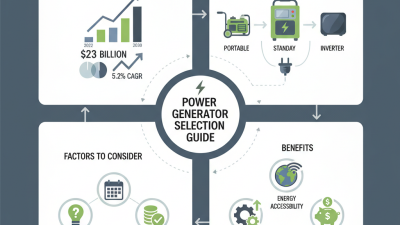
The above chart compares the key specifications of Portable and Inverter Generators to help RV owners in selecting the best generator for their adventures. Consider factors like power output, weight, noise level, run time, and price when making your decision.
Evaluating Fuel Types: Gasoline, Propane, and Diesel Options
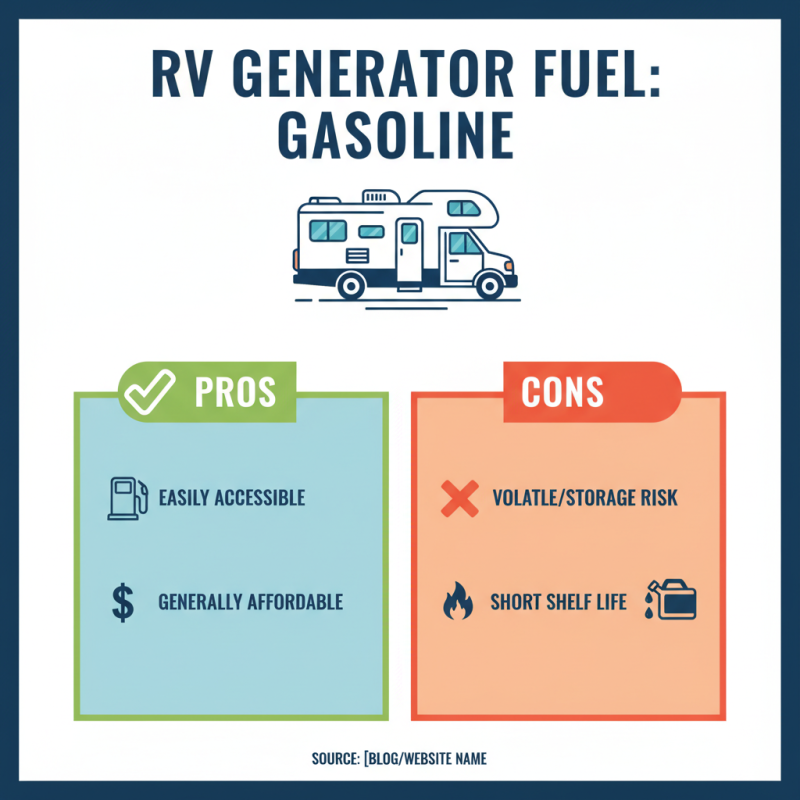
When considering the best generator for your RV, fuel type plays a crucial role. Gasoline is the most common choice. It is easily accessible and generally affordable. However, gasoline can be volatile. Storing it safely is a concern. Additionally, it may not last long during storage.
Propane offers a cleaner alternative. It burns more efficiently than gasoline. Propane tanks are also easy to refill and transport. However, the initial investment for a propane generator may be higher. Finding a place to refill tanks might be a challenge in remote areas.
Diesel generators are known for their durability. They often provide more power and can run longer than gasoline or propane options. Yet, diesel fuel can create odor and smoke. Many find this off-putting. Maintenance can be more complex too. Choose wisely based on your adventure needs, and know what you’re sacrificing.
Noise Levels and Regulations: Finding a Quiet Generator
When selecting a generator for your RV, noise levels are essential. Many campgrounds have strict regulations. A generator that operates quietly can make a significant difference. Typical RV generators produce noise levels between 60 to 70 dBA. This range can be disruptive, especially in peaceful natural settings.
In contrast, a quieter model operates at 50 to 55 dBA. These levels help maintain a tranquil environment. Acquiring data from a 2021 market research report, nearly 75% of RV enthusiasts prioritize noise levels while choosing a generator. This statistic highlights the growing demand for quieter technology.
Noise ordinances vary by location. Some campgrounds require generators to operate below a specific dBA level. Ignoring these guidelines can lead to conflicts. Regularly check local regulations before making a purchase. Ultimately, picking a generator that balances power and quiet operation is a crucial step for a satisfying RV adventure.
Portability and Weight Considerations for Easy Transportation
When selecting a generator for your RV, portability and weight are crucial. A lightweight model is easier to transport. Consider that many RV enthusiasts often pack other gear. A heavy generator can ruin your plans. Statistics indicate that over 40% of RV owners prioritize weight in their purchases. This number highlights the importance of making smart choices.
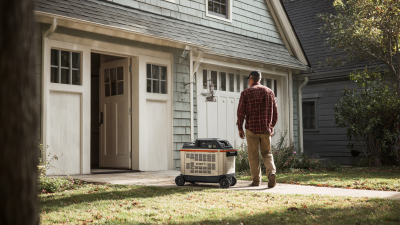
Look for generators that are under 50 pounds. They typically provide a good balance between power and portability. Features like built-in handles and wheels can be incredibly beneficial. However, some models may sacrifice durability for weight. Be cautious when selecting lightweight options. Make sure they meet your power needs without compromising quality.
Some generators can be compact but underperforming. Always check the wattage ratings. Experts recommend a generator that provides at least 2000 watts for basic needs. This consideration ensures you won't face frustrations on your trip. Balancing weight, performance, and portability can be challenging. Reflecting on these factors will lead to a more enjoyable RV adventure.
Top 10 Tips for Choosing the Best Generator RV for Your Adventures
| Weight (lbs) |
Portability Rating |
Power Output (W) |
Fuel Type |
Runtime (hrs) |
| 46 |
High |
2000 |
Gasoline |
8 |
| 52 |
Moderate |
3000 |
Propane |
10 |
| 65 |
Low |
4500 |
Gasoline |
6 |
| 75 |
Low |
5000 |
Gasoline |
5 |
| 40 |
High |
1500 |
Solar |
12 |
| 60 |
Moderate |
3500 |
Gasoline |
7 |
| 55 |
High |
2500 |
Dual Fuel |
9 |
| 70 |
Moderate |
4000 |
Gasoline |
6 |
| 45 |
High |
1800 |
Solar |
11 |
| 50 |
Moderate |
2800 |
Propane |
10 |