2026 Top Electrical Generator Types for Global Buyers?
As global demand for sustainable energy solutions grows, the importance of electrical generators cannot be overstated. These machines convert various energy forms into electrical power, fueling industries and homes alike. In 2026, buyers across the globe will explore diverse generator types that meet their specific needs.
The electrical generator landscape is evolving. Innovations in technology have led to more efficient, reliable, and environmentally friendly options. Each type of generator has unique advantages and drawbacks. Understanding these differences is crucial for making informed purchasing decisions.
Consider factors like fuel type, capacity, and intended use. The choices can be overwhelming. This article will delve into top electrical generator types for 2026, offering insights for both seasoned buyers and newcomers in the market. It is essential to weigh personal requirements against the generator's specifications. This reflection is vital to avoid potential pitfalls in your selection process.
Overview of Electrical Generator Types Available for Global Buyers
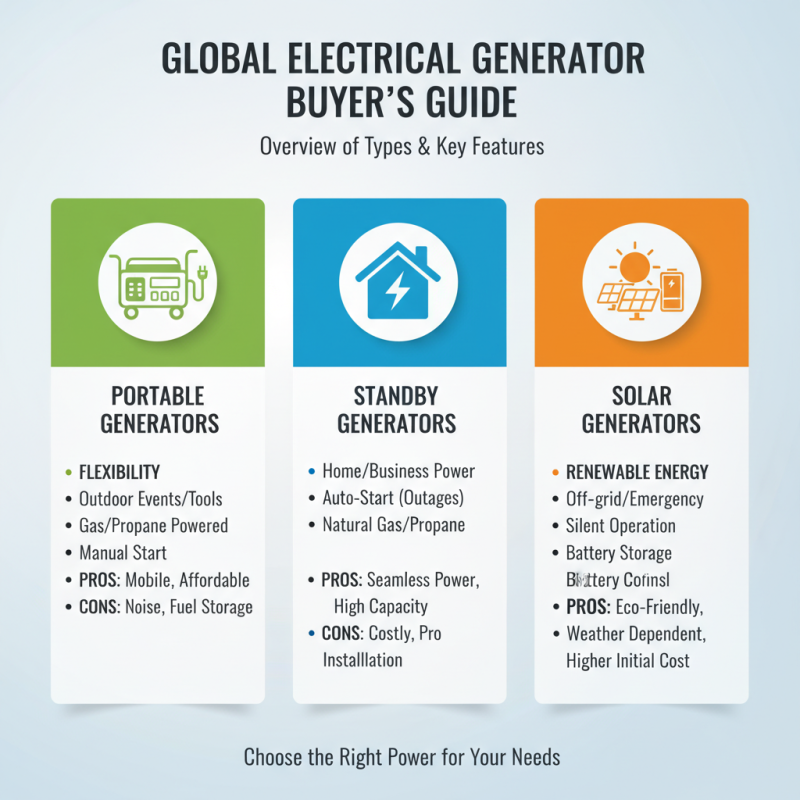
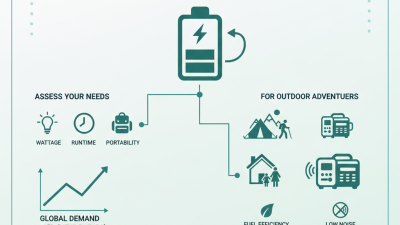
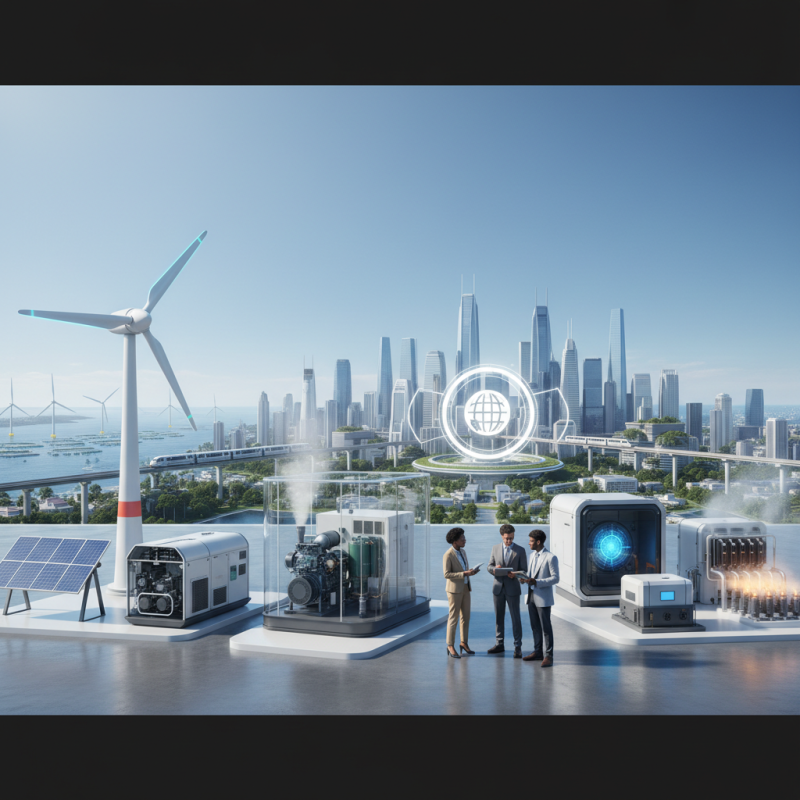
Electrical generators come in various types, each serving specific applications and preferences for global buyers. Understanding these types is essential for making informed decisions. Common categories include portable generators, standby generators, and solar generators. Each type has its pros and cons. Portable generators offer flexibility, ideal for outdoor events. Standby generators provide reliable backup power but require professional installation.
Consider fuel types when selecting a generator. Diesel and natural gas are popular choices due to efficiency. However, solar generators are gaining traction, especially among environmentally-conscious consumers. Their reliance on renewable energy reduces long-term costs. Still, buyers must factor in initial investment and installation complexity.
Another aspect to contemplate is size and power output. Smaller generators may suffice for basic needs. Larger units are necessary for industrial applications. It's crucial to assess power requirements accurately. Underestimating can lead to inefficiencies. Reflecting on these factors can enhance the selection process, ensuring buyers choose the right generator for their unique circumstances.
Key Features and Benefits of Each Generator Type
When selecting an electrical generator, buyers must consider key features and benefits specific to their needs.
Portable generators are ideal for temporary power supply.
They are lightweight, making them easy to transport.
These units usually run on gasoline, which might not be ideal for long-term use.
Noise levels can vary widely, often requiring soundproofing solutions.
Standby generators offer reliability for homes and businesses.
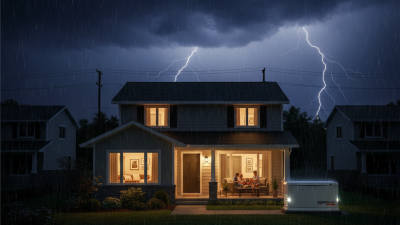
They provide a seamless transition in power outages.
Most models operate automatically, which is a key benefit for those demanding continuous power.
However, installation costs can be high.
It's crucial to evaluate the long-term return on investment.
Solar generators are gaining traction for their eco-friendliness.
They harness renewable energy, promoting sustainability.
These generators are quiet and require minimal maintenance.
Energy storage can be a limitation, though.
Buyers need to assess their energy needs carefully.
Each generator type presents unique advantages and potential drawbacks.
Choose wisely to meet specific requirements.
Market Trends Influencing Generator Demand in 2026
As we approach 2026, various market trends are shaping the demand for electrical generators. One key factor is the increasing focus on renewable energy sources. According to a report from the International Energy Agency, renewable energy capacity is expected to grow by over 50% in the next five years. This shift creates a rising need for compatible generators that can support hybrid systems.
Additionally, the surge in data centers drives generator demand. With data consumption growing dramatically, the need for reliable power has never been more critical. A report by MarketsandMarkets indicates that the data center market will reach $229 billion by 2026. Many facilities are turning to generators for backup and continuous power supply, ensuring they can maintain operations smoothly.
Despite these positive trends, challenges remain. The transition to cleaner technologies can be slow and costly. Some sectors still rely heavily on traditional generators, resulting in mixed adoption rates. The shift requires investment in new technologies and training, which can be barriers for smaller operators. Continued research and innovation are essential to fully realize the potential of the evolving generator landscape.
Factors to Consider When Choosing an Electrical Generator
Choosing the right electrical generator is crucial for efficiency and reliability. Begin by considering the power requirements of your intended application. Calculate the total wattage needed. This ensures the generator can handle your load without overloading. For portable use, size and weight are also important. A compact generator is easier to transport, but may sacrifice power.
Fuel type influences performance and emissions. Gasoline, diesel, and propane generators each have their pros and cons. Diesel generators tend to offer better fuel efficiency. Propane models are cleaner but may have lower power output. It's critical to match your needs with the appropriate fuel type.
Noise level may be overlooked but is vital for user comfort. Some generators operate quietly, making them ideal for residential use. Others emit significant noise, which can be disruptive. Features such as automatic voltage regulation and overload protection enhance reliability. However, complex features might complicate operation. Take time to reflect on your specific needs and the environment in which the generator will operate.
Top Manufacturers and Brands of Electrical Generators for Buyers
When considering the top manufacturers and brands of electrical generators, the landscape is vast and competitive. According to a recent industry analysis, the global generator market is projected to grow significantly, reaching approximately $30 billion by 2026. Key players are continuously innovating, focusing on efficiency and sustainability. Buyers benefit from this competition, which often drives prices down and improves technology.
It's essential to evaluate manufacturer reputations before making a purchase. Look for companies with a proven track record in generator reliability and customer service. Many experts suggest analyzing consumer reviews and technical specifications. Understanding a generator's fuel type and power generation capacity is crucial. The right choice can substantially impact operational costs and performance.
Tip: Consider maintenance implications when selecting a generator. Reliable brands often offer better support and extended warranties. This can save buyers time and money in the long run.
Additionally, buyers should factor in compliance with international standards. As indicated by industry reports, generators that meet these criteria are generally more efficient. They often result in lower emissions and better performance. Don’t overlook these critical aspects when choosing the right unit.
2026 Top Electrical Generator Types for Global Buyers
| Generator Type |
Power Output (kW) |
Fuel Type |
Applications |
Average Price ($) |
| Diesel Generator |
20 - 2000 |
Diesel |
Construction, Standby Power |
1,500 - 15,000 |
| Gas Generator |
10 - 3000 |
Natural Gas, LPG |
Residential, Industrial |
1,000 - 12,000 |
| Solar Generator |
0.5 - 5 |
Solar Energy |
Camping, Off-Grid |
200 - 2,000 |
| Portable Generator |
1 - 10 |
Gasoline, Diesel |
Recreation, Emergency |
300 - 1,500 |
| Inverter Generator |
1 - 4 |
Gasoline |
Sensitive Electronics |
400 - 1,200 |