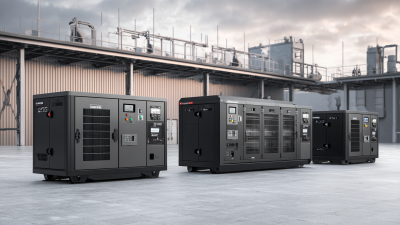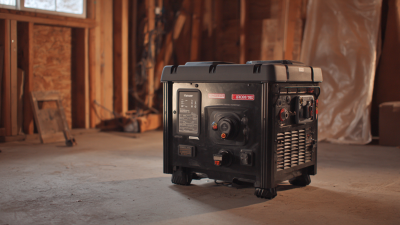
What Are the Top Generator Systems in 2026? That question has no single answer. The best choice depends on load demand, fuel access, operating hours, and site conditions. A rural clinic needs dependable standby power. A data center needs rapid transfer, redundancy, and carefully managed cooling. A construction site may value mobility and simple servicing more.
Jennifer Rumsey, CEO of Cummins, has described the energy transition as “a journey, not a destination.” That view matters in 2026. Modern generator systems increasingly combine diesel, natural gas, batteries, solar, and digital controls. Yet newer technology does not automatically mean better performance. A complicated system can become a poor investment when technicians cannot service it quickly.
This guide compares leading generator systems through practical criteria. These include fuel efficiency, startup time, emissions performance, noise control, remote monitoring, maintenance access, and total operating cost. It also considers real-world resilience. Can the system carry medical equipment during a grid failure? Can it handle changing loads without unstable output? Can replacement parts arrive quickly?
Some rankings will remain debatable. That is unavoidable. Manufacturer data may reflect ideal testing conditions. Field results can differ. Weather, installation quality, and maintenance habits often change the outcome. Therefore, this overview treats 2026 generator systems as tools for specific applications, not universal winners. Reliable power begins with an honest assessment of the site.
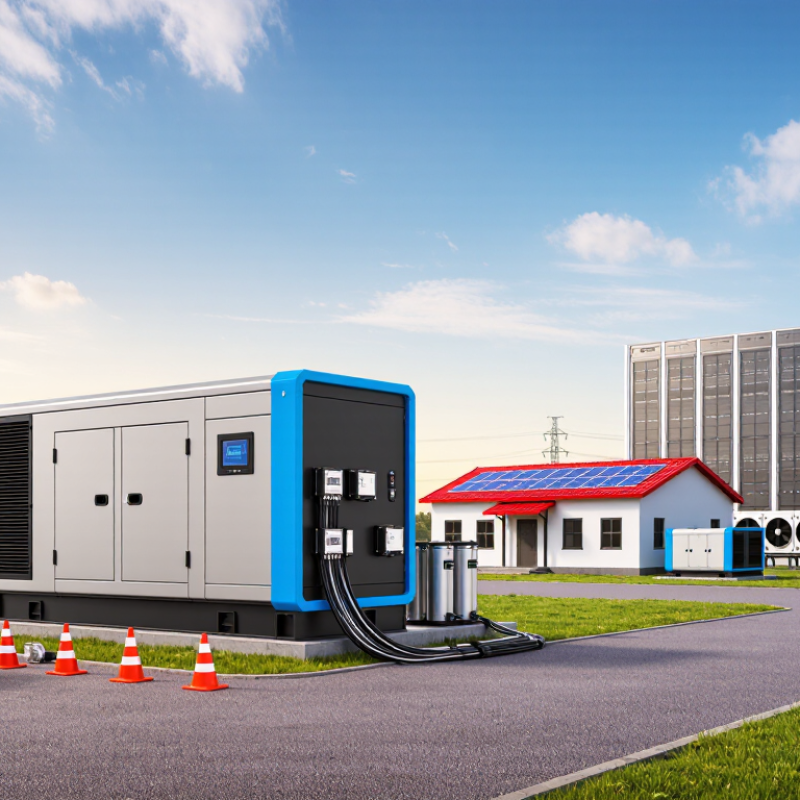
A top generator system in 2026 is defined by dependable performance, not impressive output alone. It should start quickly, carry changing loads, and protect sensitive electronics from voltage swings. Automatic load management matters when a refrigerator, pump, and heating system run together. Quiet operation matters too, especially in residential areas and shared workspaces. A practical evaluation should include cold starts, extended operation, and sudden load changes. Specifications rarely reveal every weakness. Field testing does.
Efficiency is another defining measure. Advanced systems should reduce fuel use through variable-speed operation, accurate sensors, and intelligent power controls. They should also provide clear information about runtime, maintenance needs, temperature, and fault conditions. Remote monitoring can help, but local controls must remain simple during network failures. Safety features deserve close attention, including overload protection, carbon monoxide monitoring, secure fuel handling, and proper ventilation guidance. Compliance with recognized electrical and environmental standards strengthens reliability. Still, no system is perfect. A highly efficient unit may cost more to repair, while a compact model may struggle with heavy startup loads. I would examine service access, replacement-part availability, and installer training before judging performance. Those details often decide whether dependable power remains dependable after several years.
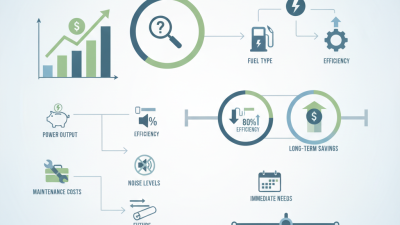
Electrical efficiency is one of the clearest ways to compare generator technologies. Fuel-cell systems generally achieve the highest electrical efficiency, while reciprocating engines remain competitive because of their fast response, mature supply chains, and broad fuel availability.
Values shown are representative midpoint estimates from commonly published technology ranges at rated load. Actual performance varies with system size, operating load, fuel quality, temperature, and maintenance condition.
Generator systems are commonly classified by their power source. Diesel systems suit long, heavy-duty operation at construction sites and medical facilities. Gasoline models are lighter and easier to move, but they usually need more frequent refueling. Natural gas and propane systems support cleaner, fixed installations with connected fuel supplies. Battery-hybrid systems combine stored electricity with an engine or renewable input. They reduce noise during low-demand periods.
Design creates another useful classification. Portable generators use wheels, compact frames, and manual connections. Standby systems start automatically when the utility supply fails. Inverter designs convert generated electricity into direct current, then recreate stable alternating current. This process can protect sensitive electronics from voltage fluctuations. Conventional alternator systems often provide stronger surge performance for motors, pumps, and compressors.
In field assessments, I check starting loads before judging rated output. A refrigerator may run at 700 watts, yet demand twice that briefly. That detail changes the selection. Ventilation, transfer equipment, fuel storage, and maintenance access also matter. The categories are not perfectly clean. A modular system may be portable, hybrid, and standby-ready at once. I have seen installations fail because owners trusted the label instead of measuring real loads. Good specifications should state running watts, starting watts, runtime, noise level, and service intervals. Safety controls deserve equal attention.
The strongest generator systems in 2026 balance efficiency, reliability, and practical performance. Fuel efficiency matters most at partial loads, where many units operate overnight. Advanced systems now adjust engine speed instead of running constantly at full output. This can reduce fuel use and noise. Inverter-based designs also provide cleaner electricity for computers, medical equipment, and sensitive control systems.
Reliability depends on more than engine strength. A dependable system should start during cold weather, transfer power quickly, and operate safely for extended periods. Automatic self-tests, weather-resistant enclosures, and clear maintenance alerts are valuable features. Performance should be measured through steady voltage, low harmonic distortion, and useful runtime. Still, no generator wins every test. A highly efficient model may deliver less surge capacity, while a powerful unit may consume more fuel than expected.
Tips: Compare fuel consumption at 25%, 50%, and 75% load. Check the transfer-switch response time. Inspect service access before buying. Keep a written maintenance schedule. Test the system under realistic household or workplace loads, not only brief empty-load starts. Storage conditions also matter. Stale fuel, dust, and weak batteries can defeat an otherwise excellent design. Independent test reports and qualified installation advice provide stronger evidence than promotional claims.
Top generator systems in 2026 are defined by coordination, not engine size alone. Smart controls now monitor load changes, fuel use, temperature, and maintenance signals. A control panel can start backup power within seconds when voltage falls. It can also prevent unnecessary cycling during light demand. In real installations, clear alarms matter more than crowded screens. Operators need useful information at a glance.
Energy storage adds another layer of flexibility. Batteries can handle short power demands before the generator starts. This reduces sudden loading and may lower fuel consumption during brief outages. Storage also supports quiet operation at sites such as clinics, farms, and construction offices. However, battery performance depends on temperature, age, and charging limits. The promised savings are not automatic. Poor settings can create new maintenance problems.
Grid integration makes these systems more valuable and more demanding. A connected generator can respond to utility conditions, support critical circuits, and coordinate with solar or other local sources. Protective equipment must separate the site safely during an outage. Testing should include simulated failures, communication loss, and manual operation. No controller removes every surprise. A practical design keeps local controls available when networks fail. The most reliable systems combine automatic decisions with trained human judgment, although that balance is still imperfect.
What Are the Top Generator Systems in 2026?
Choosing a generator system starts with the application, not the advertised rating. A hospital needs rapid transfer, redundancy, and clean power for sensitive equipment. A construction site usually values mobility, dust protection, and fuel efficiency. For data centers, failure tolerance matters most. The International Energy Agency’s Electricity 2024 report expects data-center electricity demand to exceed 1,000 TWh globally by 2026. That pressure makes dependable backup power increasingly important.
Compare systems using real operating conditions. Check prime or standby duty, continuous kW output, starting performance, fuel autonomy, and transfer time. A 500 kVA unit may struggle with motor starting, even when average demand looks safe. Ask for transient-response data. Then review altitude, temperature, noise, emissions, maintenance access, and remote monitoring. ISO 8528 provides useful performance definitions, while NFPA 110 guides emergency and standby power reliability. These standards improve comparisons, but they do not replace site testing.
The Uptime Institute Global Data Center Survey 2024 continues to identify power problems among major outage concerns. For critical facilities, pair multiple smaller units with automatic transfer equipment and scheduled load-bank tests. For remote sites, calculate fuel delivery risks, not just tank size. I have seen neat spreadsheets overlook winter starts and cable losses. That mistake is expensive. The best 2026 system is the one matched to its load profile, environment, service capacity, and acceptable downtime.
A practical comparison of major generator-system configurations by capacity, fuel, operating characteristics, and application suitability.
| Generator System | Typical Continuous Output | Primary Energy Source | Typical Fuel or Energy Efficiency | Approximate Full-Load Runtime | Noise Range | Transfer and Start Capability | Key Advantages | Limitations | Best-Fit Applications |
|---|---|---|---|---|---|---|---|---|---|
| Portable Inverter Generator | 1–7 kW | Gasoline; some models support propane | Approximately 20–35% fuel-to-electric efficiency, depending on load and engine size | 6–18 hours at approximately 25–50% load | 50–65 dB(A) at rated operating distance | Manual start is common; electric start and transfer-switch compatibility are available on selected systems | Clean power Portable Load-responsive engine | Limited output; gasoline storage requires safety controls; not normally designed for whole-building backup | Camping, small tools, refrigerators, communications equipment, and occasional emergency backup |
| Portable Conventional Generator | 3–15 kW | Gasoline, diesel, or dual-fuel gasoline/propane | Approximately 15–30% fuel-to-electric efficiency; efficiency varies substantially with load | 5–14 hours at approximately 50% load | 65–80 dB(A) at rated operating distance | Manual or electric start; inlet connection and interlock options depend on installation | High surge capacity Lower purchase cost Broad availability | Noisier than inverter systems; voltage and frequency regulation may be less precise; refueling is usually manual | Construction sites, pumps, temporary events, workshops, and basic residential backup |
| Residential Standby Generator | 8–26 kW | Natural gas or propane | Approximately 20–30% fuel-to-electric efficiency, with performance affected by gas pressure and load | Continuous operation while utility fuel supply remains available | 60–75 dB(A), depending on enclosure, load, and installation distance | Automatic start commonly occurs within seconds after utility failure when paired with an automatic transfer switch | Automatic backup Weather enclosure Whole-home support | Requires permanent installation, ventilation and clearances; natural-gas supply may be interrupted during disasters | Homes, small offices, medical-support loads, security systems, and automatic outage protection |
| Diesel Prime or Standby Genset | 20 kW–2 MW | Diesel fuel | Approximately 30–45% fuel-to-electric efficiency at high load; diesel engines generally perform best above light-load operation | 8–48 hours per tank, with external tanks enabling longer operation | 70–90 dB(A) before acoustic treatment; sound-attenuated enclosures can reduce perceived noise | Automatic transfer and remote monitoring are standard options; fast start is available for standby configurations | High durability Strong motor starting Long service life | Fuel storage and emissions compliance are required; wet stacking and maintenance can occur under prolonged low-load operation | Hospitals, data centers, factories, telecommunications, farms, and critical infrastructure |
| Natural-Gas Engine Generator | 30 kW–2 MW | Pipeline natural gas | Approximately 30–42% fuel-to-electric efficiency; combined heat and power can raise total useful-energy utilization above 70% | Extended operation while the gas network remains available | 65–85 dB(A), depending on enclosure and installation | Automatic transfer, remote controls, and parallel operation are commonly available | Low on-site fuel storage Lower particulate emissions CHP compatible | Dependent on pipeline pressure and network continuity; may have lower transient performance than comparable diesel systems | Commercial buildings, campuses, hospitals, distributed generation, and combined heat-and-power projects |
| Propane-Fueled Generator | 5–150 kW | Liquefied petroleum gas stored in cylinders or bulk tanks | Approximately 20–35% fuel-to-electric efficiency; propane contains less energy per unit volume than diesel | Approximately 8–72 hours, depending on tank size and electrical load | 60–80 dB(A), depending on engine and enclosure | Automatic start is available for permanent standby installations; portable units usually require manual connection | Long shelf life Flexible storage Cleaner combustion than gasoline | Requires adequately sized tanks and regulated fuel delivery; cold-weather vaporization can affect supply | Rural homes, remote facilities, backup power where natural gas is unavailable, and seasonal properties |
| Battery Energy Storage System with Inverter | 3–100 kW power output | Stored electricity, commonly lithium-iron-phosphate or other lithium-ion chemistry | Approximately 85–95% round-trip electrical efficiency, subject to temperature, inverter rating, and operating conditions | Approximately 1–12 hours, depending on usable battery capacity and load | Typically below 40 dB(A); cooling fans may increase sound during high output | Near-instantaneous transfer is possible when installed as a UPS or microgrid system | Very quiet No local emissions Fast response | Limited by stored energy; battery replacement, thermal management, and fire-safety design must be considered | IT equipment, homes, clinics, renewable-energy shifting, peak shaving, and short-duration ride-through |
| Hybrid Solar-plus-Battery Generator System | 5–250 kW inverter output; expandable with additional generation | Solar photovoltaic array, battery storage, and optional fuel generator | Approximately 75–90% solar-to-load efficiency after inverter and storage losses; fuel efficiency improves when the engine operates near an efficient load | Hours to multiple days, depending on solar conditions, battery size, load profile, and backup-fuel supply | Typically below 45 dB(A) during solar and battery operation; higher when the fuel generator starts | Automatic energy management can prioritize solar and batteries, then start the fuel generator when reserve thresholds are reached | Reduced fuel consumption Renewable integration Microgrid operation | Higher design complexity; solar production varies with weather and site conditions; requires coordinated controls | Remote sites, disaster-response hubs, farms, telecom installations, construction compounds, and resilient microgrids |
| Microturbine or Fuel-Cell Distributed Power System | 30 kW–1 MW per module | Natural gas, biogas, hydrogen, or other approved fuels, depending on technology | Approximately 25–45% electrical efficiency; total useful-energy utilization can exceed 70% in combined heat-and-power service | Continuous operation while fuel is available | Approximately 55–75 dB(A), depending on enclosure and balance-of-plant equipment | Automatic controls and paralleling are available; response speed varies by technology and configuration | Continuous duty Low maintenance potential CHP capability | Higher initial cost; fuel infrastructure and specialized service may be required; not ideal for every short-term backup use | Commercial facilities, wastewater plants, industrial sites, campuses, and distributed-energy projects |