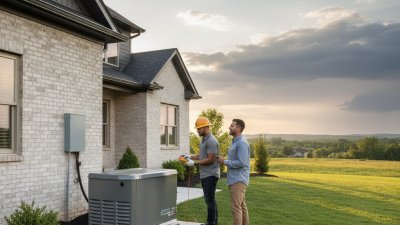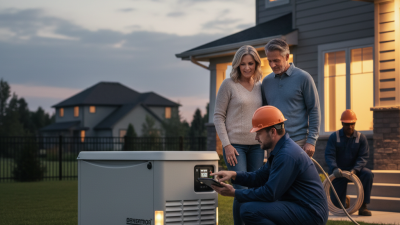
A generator can keep a refrigerator cold, lights on, and essential equipment running during an outage. But choosing the wrong type—or connecting it carelessly—can create serious safety risks. Portable, inverter, and standby generators serve different needs. Their fuel use, noise, output, and installation requirements deserve close attention.
Electrical educator Mike Holt is known for safety-focused instruction. A practical principle consistent with his teaching, paraphrased rather than quoted verbatim, is: “Treat generator connections as electrical work, not a casual hookup.” That distinction matters. A transfer switch, correct wiring, and careful placement help prevent dangerous backfeed and exposure to exhaust. Always follow the manufacturer’s instructions and consult a qualified electrician for fixed wiring or transfer-switch work.
This guide compares the main generator types and explains what installation involves, from selecting a suitable location to planning fuel and electrical connections. A portable unit beside a garage may seem convenient; exhaust can still collect near doors or windows. Details matter. So does maintenance. The ideal setup depends on which appliances you need, how long you expect an outage to last, and whether the generator will serve one device or an entire home. Some choices are less obvious than they look. We’ll point out common trade-offs, while noting that local requirements and product instructions can vary. Before you install generator equipment, check the unit’s specifications and get professional advice where the work involves household wiring.
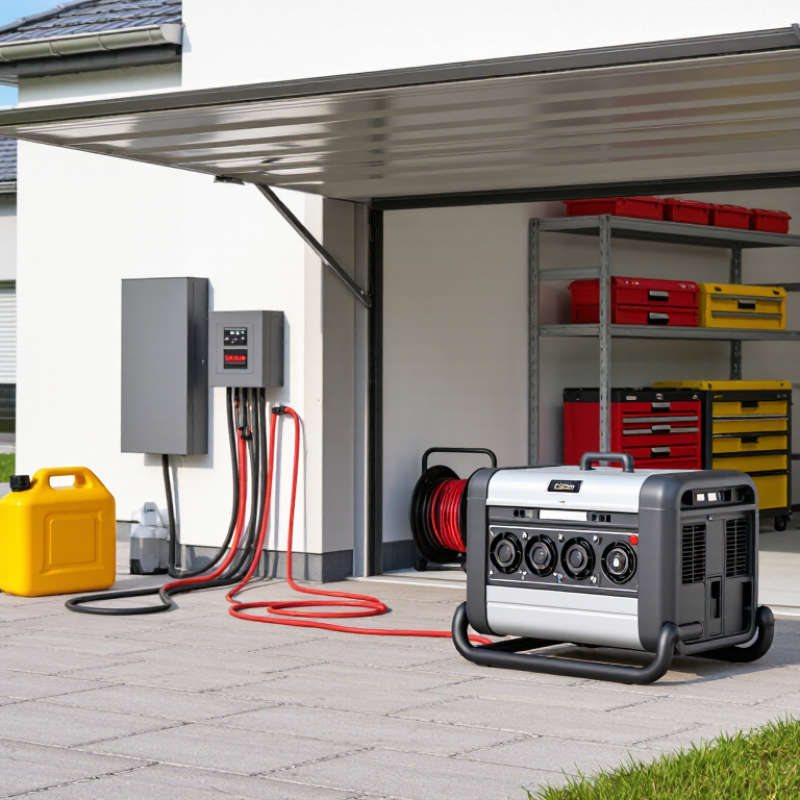
Portable generators are practical for occasional outages, job sites, or powering a few essential appliances. They usually need manual setup and refueling, so check the rated output against your actual loads. An inverter generator produces cleaner, steadier power for sensitive electronics and often runs more quietly, but its capacity may be lower than a similarly sized conventional portable unit. No one-size answer.
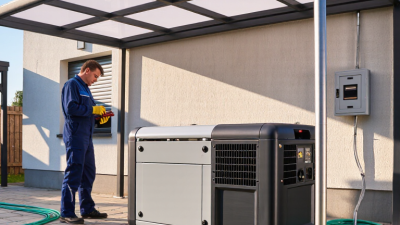
A standby generator is permanently installed and can start automatically when utility power fails. It can support more household circuits, depending on its capacity and electrical setup. The U.S. Energy Information Administration’s 2022 Form EIA-861 data recorded an average of 5.6 hours of customer interruptions, including major events. That figure is a planning prompt, not a sizing formula; outage length varies widely by location.
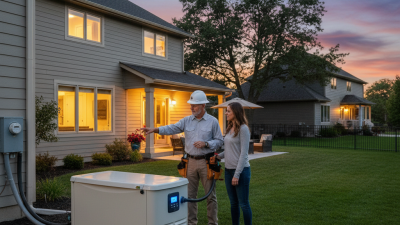
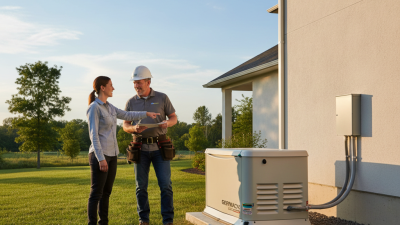
Installation changes the comparison. The U.S. Consumer Product Safety Commission advises placing portable generators at least 20 feet from the home, with exhaust directed away from openings. A concrete driveway can help keep the unit level, but never use a portable generator indoors or in a garage. Standby systems require site preparation and a correctly installed transfer switch; have a qualified electrician assess the panel and load. The awkward part is estimating which appliances matter most. List essentials, such as a refrigerator, lights, and medical equipment, before choosing capacity.
Compare portable, inverter, and standby generators by typical rated output. Actual capacity varies by model and fuel.
Installation basics: Portable and inverter units should run outdoors, well away from doors and windows, and connect to appliances with properly rated cords. A standby generator is permanently installed outdoors and connected to household wiring through approved transfer equipment; have a licensed electrician install it and check local permit requirements. Never connect a generator directly to a wall outlet.
Generator sizing starts with the loads that must run together, not the largest appliance alone. Add their running watts, then identify the biggest motor that may start while those loads are active. Refrigerators, well pumps, and air conditioners can demand a brief surge. Miss that surge, and lights may dim or the generator may trip.
Use the motor nameplate’s locked-rotor data when available. NEMA MG 1 assigns code letters to locked-rotor kVA per horsepower; for example, Code G represents 5.6–6.29 kVA per horsepower. That is a starting-load range, not a universal multiplier for every motor.
IEEE’s recommended practice for motor-starting studies also emphasizes checking voltage dip, since a generator can have enough running capacity yet struggle during acceleration. Small detail, big difference.
A practical worksheet should list each load’s running watts, starting demand, and whether it starts simultaneously with other equipment. Then compare the peak demand with the generator’s surge rating, not just its headline running rating.
Leave margin for uncertain nameplate figures and future loads; I would still verify the actual combination, because a neat spreadsheet can miss real startup timing.
Sources: NEMA MG 1, Motors and Generators; IEEE Std 3002.7-2018, Recommended Practice for Conducting Motor-Starting Studies.
Top Types of Generators and How to Install One
Prepare a firm, level outdoor spot before running a portable generator. The CDC recommends placing it at least 20 feet from your home. Keep the exhaust pointed away from doors, windows, and air vents. Carbon monoxide has no smell, so an open window does not make a nearby generator safe. Never run one in a garage, shed, or enclosed porch, even with the door open. Small details matter here; it is easy to misjudge distance when a cord barely reaches.
Tips: Check the site after rain. Choose ground that will not collect water, and protect the generator from moisture without covering its airflow. Keep it clear of dry leaves and other materials that could catch fire. Measure the distance rather than guessing. A tape measure can feel fussy, but this is one time I would use it.
Before connecting appliances, read the generator’s instructions and keep cords in good condition and rated for outdoor use. If you plan to connect the unit to household wiring, have a qualified electrician install the proper transfer equipment. I used to think a convenient spot was good enough; looking back, convenience should come after safe distance, airflow, and a dry, stable surface.
Connect the System: Follow NEC Article 702 for Standby Transfer Equipment
A generator is only part of a standby system. Transfer equipment connects selected building circuits to the generator while keeping that source separate from normal utility power. NEC Article 702 addresses optional standby systems, including transfer equipment. Requirements depend on the adopted code edition and local amendments, so confirm them before planning the installation. A licensed electrical professional can assess the service, generator capacity, and intended loads.
The equipment must be suitable for its application and installed to prevent unintended interconnection between power sources. That choice affects whether selected circuits, or a larger portion of the building, can receive backup power. A clear panel schedule helps identify priorities, such as refrigeration, lighting, or a sump pump. One easy-to-miss detail is the actual starting demand of motor-driven equipment; its brief surge may exceed its running demand. Plans can look complete and still need a second review.
Tips: Confirm the transfer equipment’s rating and compatibility with the system. Label backed-up circuits clearly. Have the installer verify wiring, grounding, and operation, then document the final setup. Keep the instructions accessible. Test only as directed.
Top Types of Generators and How to Install One
For covered emergency power supply systems, NFPA 110 calls for regular exercising, including a monthly 30-minute test. The exact requirements depend on the system, applicable standard edition, and local rules. Confirm the requirements with the authority having jurisdiction and the facility’s qualified electrical professional before setting a schedule.
A useful test checks more than whether the engine starts. Record the start time, operating duration, load, and any alarms. Watch for leaks, unusual vibration, loose connections, and rising coolant temperature. A partly blocked radiator can turn a routine exercise into an overheating problem. Small details matter. Make sure the installation allows safe access for inspection and service, with exhaust routed away from occupied areas and ventilation kept clear. After each test, review the readings and correct defects rather than simply filing the log. A generator that ran for 30 minutes may still need attention. That is easy to overlook. Keep maintenance records available, and have a qualified technician assess problems that staff cannot safely resolve.
| Generator Type | Common Use and Fuel | Installation Essentials | Testing and Maintenance | Key Considerations |
|---|---|---|---|---|
| Portable conventional generator | Temporary or limited backup power; commonly gasoline-fueled. | Operate outdoors, well away from doors, windows, and vents. Keep it dry and use only properly rated, outdoor-use cords. Never connect it to building wiring through a wall outlet; use a properly installed transfer switch where connection to premises wiring is required. | Follow the owner's manual for oil, air-filter, spark-plug, and fuel-system service. Run and inspect it periodically according to the manufacturer's instructions. | Carbon monoxide can be fatal. Never operate in a home, garage, basement, or other enclosed or partly enclosed space. |
| Portable inverter generator | Portable power for smaller loads, sensitive electronics, and temporary applications; commonly gasoline-fueled. | Use outdoors with safe exhaust clearance. Size cords and connected loads for the generator's ratings, and use a code-compliant transfer arrangement if supplying premises wiring. | Follow the owner's manual for oil, air-filter, fuel, and storage service. Exercise and inspect the unit as directed by its manufacturer. | Inverter models may provide steadier electrical output than conventional portable models, but they still produce carbon monoxide and require outdoor operation. |
| Stationary natural-gas or propane generator | Automatic backup power for homes or facilities; supplied by a gas line or a properly sized propane system. | Install on a stable base with required clearances. Have fuel piping, electrical connections, grounding, and the automatic transfer switch designed and installed in accordance with local codes and permits. Preserve required exhaust and service clearances. | Follow the manufacturer's service schedule. Check the starting battery, fuel supply, alarms, transfer operation, and general condition. For a covered EPSS, apply the applicable NFPA 110 exercise and test requirements. | Fuel pressure and capacity must suit the generator under load. Installation and commissioning should be performed by qualified professionals. |
| Stationary diesel generator | Common for commercial, industrial, and other standby applications; uses diesel fuel stored on site or supplied by an approved system. | Plan the foundation, ventilation, exhaust routing, fuel storage, fire protection, access, and transfer equipment. Obtain required approvals and follow applicable electrical, building, fire, and environmental rules. | Maintain fuel quality, filters, coolant, lubricating oil, batteries, and starting systems. Test the generator and transfer equipment under the applicable maintenance program and code requirements. | Fuel storage and emissions requirements vary by location and installation. Long periods of light-load operation may require additional attention under the manufacturer's instructions and applicable standards. |
| NFPA 110-covered emergency power supply system (EPSS) | A system within the scope of NFPA 110, consisting of an emergency power supply and associated equipment serving designated loads. | Coordinate the generator, transfer switches, distribution equipment, controls, fuel supply, and installation with the adopted code, project requirements, and authority having jurisdiction. | NFPA 110 specifies monthly exercise for covered EPSS, generally for at least 30 minutes. The applicable edition and system type determine the required operating conditions, load, records, and other testing details. | Confirm the adopted NFPA 110 edition and local requirements. The monthly exercise provision does not automatically apply to every household portable generator or every standby generator. |
Safety and compliance note: Generator installation, transfer equipment, fuel systems, and testing should follow the manufacturer's instructions and applicable local codes. NFPA 110 requirements depend on whether the system is within the standard's scope and on the adopted edition and authority having jurisdiction.