Top Solar Applications for Global Buyers to Explore?
In today's rapidly evolving energy landscape, the importance of Solar Applications has taken center stage. Experts like Dr. Emily Carter, a renowned solar energy researcher, emphasize the potential of these technologies. She states, “Solar applications can empower communities and reduce reliance on fossil fuels.” This perspective encourages global buyers to explore innovative solutions in the solar market.
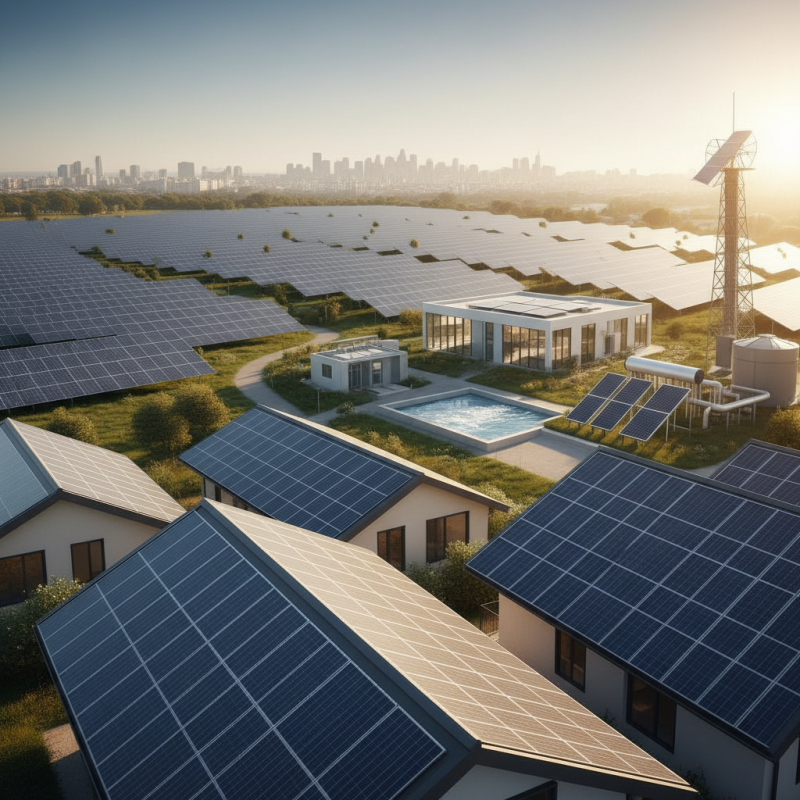
The rise of solar applications reflects a shift towards sustainable energy sources. From residential rooftops to large-scale solar farms, the diversity of applications is impressive. Buyers can invest in systems tailored to their specific needs, whether for heating, electricity generation, or water purification. Each application offers unique benefits and challenges.
However, the journey isn't without hurdles. Some buyers may be unsure about which solar solutions best fit their circumstances. Questions about cost, efficiency, and installation need careful consideration. As the market expands, staying informed becomes vital. Evaluating these factors will be key to making informed decisions in the solar applications sector.
Top Solar Applications for Residential Use
As more homeowners consider sustainable energy, solar applications offer versatile solutions. Solar panels can be installed on roofs, providing clean energy for households. They reduce reliance on traditional power sources. This shift leads to lower utility bills over time, promoting long-term savings.
Solar water heaters are another popular choice. They harness sunlight to heat water, serving households efficiently. This method can significantly decrease energy consumption. Local climates may affect efficiency, yet they often prove beneficial in sunny regions. It's essential to evaluate where you live before integrating such systems.
Battery storage systems complement solar panels, storing excess energy for later use. This innovation increases the reliability of solar energy. However, installation and maintenance costs can be high. Homeowners should weigh the benefits against their budgets. Each choice has pros and cons, requiring careful consideration before making a significant investment.
Top Solar Applications for Global Buyers to Explore - Top Solar Applications for Residential Use
| Application Type | Description | Estimated Cost (USD) | Efficiency (%) | Installation Time (Days) |
| Residential Rooftop Solar | Solar panels installed on residential rooftops. | 15,000 - 30,000 | 15 - 20 | 3 - 5 |
| Solar Water Heating | Heating water for residential use using solar energy. | 2,000 - 5,000 | 50 - 60 | 1 - 2 |
| Solar Battery Storage | Storage solutions to maximize solar energy usage. | 8,000 - 12,000 | 85 - 95 | 2 - 4 |
| Solar Garden Lights | Lighting solutions powered by solar energy for gardens. | 50 - 150 each | 15 - 20 | 1 - 1.5 |
| Solar Pool Heaters | Heating swimming pools using solar energy. | 3,000 - 7,000 | 60 - 70 | 2 - 3 |
Innovative Solar Solutions for Commercial Enterprises
Innovative solar solutions are transforming commercial enterprises. Businesses are increasingly adopting solar technology to reduce energy costs. This shift not only fosters sustainability but also enhances brand reputation. Companies that invest in solar energy often see financial returns in a relatively short time frame.
Many enterprises are exploring solar power as a key aspect of operational efficiency. For instance, solar panels on rooftops can harness abundant sunlight. This generates electricity while minimizing reliance on traditional energy sources. Some businesses install energy storage systems, allowing them to store excess power. This can ensure a reliable energy supply, even during peak usage times.
However, challenges exist when implementing solar solutions. Initial costs can be a barrier for some companies. Additionally, understanding local regulations and incentives can be complex. Businesses must conduct thorough research to make informed decisions. This careful consideration often leads to more effective solar deployments in the long run.
Solar Technology in Agriculture and Farming
The integration of solar technology in agriculture and farming is transforming food production globally. According to a report by the International Renewable Energy Agency (IRENA), solar energy can increase productivity by up to 20% on farms due to efficient energy use. Many farmers are adopting solar panels to power irrigation systems, reducing reliance on costly fossil fuels.
Solar technology also supports sustainable practices. For instance, solar-powered sensors can monitor soil moisture levels, allowing farmers to optimize water usage. Data from the Food and Agriculture Organization indicates that smart irrigation can save up to 30% of water compared to traditional methods. As farmers implement solar solutions, they often find it leads to long-term savings.
Tips: Consider implementing a solar water pump for irrigation. Evaluate your regional solar intensity before installation. Regular maintenance of solar panels ensures they operate at peak efficiency. Sustainable practices are not without challenges, and farmers must weigh initial investment costs against long-term benefits. Exploring financing options can ease this burden. Adopting solar technology can be a complex decision, but the potential benefits make it worth considering.
Impact of Solar Power in Electric Vehicle Charging
The rise of solar power is transforming electric vehicle (EV) charging. This shift offers a sustainable way to power our growing number of electric cars. Utilizing solar energy for EV charging helps reduce greenhouse gas emissions, creating a cleaner environment and promoting a healthier planet.
Integrating solar panels at charging stations can enhance efficiency. Daylight hours provide ample energy, allowing chargers to operate sustainably. However, shadows from surrounding buildings or trees can hinder solar efficiency. It’s essential to assess site locations carefully to maximize solar potential.
Tips for optimizing solar EV charging:
- Choose locations with unshaded roof space. This maximizes sunlight exposure for solar panels.
- Consider energy storage solutions. Batteries can store excess energy for nighttime use.
- Regular maintenance of solar panels ensures they function at peak performance. Keep them clean and free from debris.
Adopting solar energy for EV charging poses challenges. Initial costs can be significant, deterring some investments. Additionally, technological advancements are needed for better integration. Explore the balance between cost and sustainability. It’s a step forward, albeit with room for improvement.
Emerging Trends in Solar Energy for Industrial Applications
Emerging trends in solar energy for industrial applications are shaping the future of energy consumption. Industries are increasingly investing in solar technology to reduce operational costs and enhance sustainability. The transition to renewable energy is not just a trend; it is becoming a necessity. Many businesses are evaluating their energy needs and looking for reliable solar solutions.
One promising trend is the integration of solar energy storage systems. These systems allow companies to store excess energy generated during the day. This stored energy can be used during peak hours, significantly reducing electricity bills. Additionally, companies are exploring solar microgrids. These localized grids can operate independently during outages, adding resilience.
However, the adoption of solar energy presents challenges. Complexity in installation and varying regulations across regions can deter industrial clients from embracing solar fully. Some businesses may find the initial investment daunting. Strategies must be developed to address these concerns. Exploring financing options could ease the financial burden and encourage broader adoption of solar technologies. As industries navigate these changes, ongoing education and expert guidance remain vital.