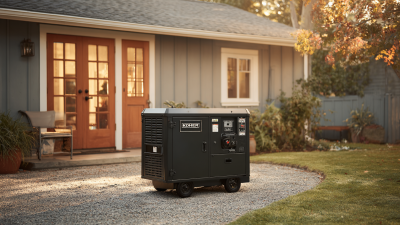
The Ultimate Guide to Choosing the Best Home Generators for Your Energy Needs
When it comes to ensuring a constant power supply for your home, choosing the right home generators can make all the difference. Whether you are preparing for unexpected outages, looking to power essential appliances during emergencies, or simply want a backup solution for off-grid living, the selection process can be daunting. With various types, sizes, and power outputs available on the market, understanding your energy needs is crucial to making an informed decision.
This guide aims to unravel the complexities of home generators, providing you with the essential insights and considerations necessary to find the perfect unit tailored to your unique circumstances. By evaluating factors such as fuel type, portability, wattage, and noise levels, you'll be empowered to select a generator that not only meets your immediate requirements but also aligns with your long-term energy goals.
Factors to Consider When Choosing a Home Generator
When choosing the best home generator for your energy needs, several key factors should be taken into consideration. First, assess your power requirements by identifying the essential appliances and systems you wish to keep operational during an outage. This will help you determine the generator's wattage capacity required to manage your household's power consumption effectively. Make sure to factor in both running and starting wattages, as some appliances require a surge of power upon startup.
In addition to power capacity, consider the fuel type that best suits your lifestyle and preferences. Options typically include gasoline, propane, or natural gas, each with its specific benefits and drawbacks regarding availability, efficiency, and storage. Maintenance requirements and noise levels are also critical, as some generators operate louder than others, which may disturb your home environment. Lastly, researching reputable brands and customer reviews will ensure you select a reliable generator that aligns perfectly with your energy needs.
The Ultimate Guide to Choosing the Best Home Generators for Your Energy Needs
| Feature |
Description |
Power Output (Watts) |
Fuel Type |
Runtime (Hours) |
Noise Level (dB) |
| Portable Generator |
Compact and easy to transport |
2000 - 3000 |
Gasoline |
6 - 10 |
50 - 75 |
| Standby Generator |
Automatic home backup during outages |
5000 - 20000 |
Natural Gas, Propane |
24+ |
60 - 70 |
| Inverter Generator |
Quiet, fuel-efficient, clean power |
1000 - 4000 |
Gasoline |
8 - 12 |
50 - 60 |
| Solar Generator |
Clean energy, rechargeable via solar panels |
300 - 5000 |
Solar |
Variable (depends on sunlight) |
Silent |
Different Types of Home Generators Explained
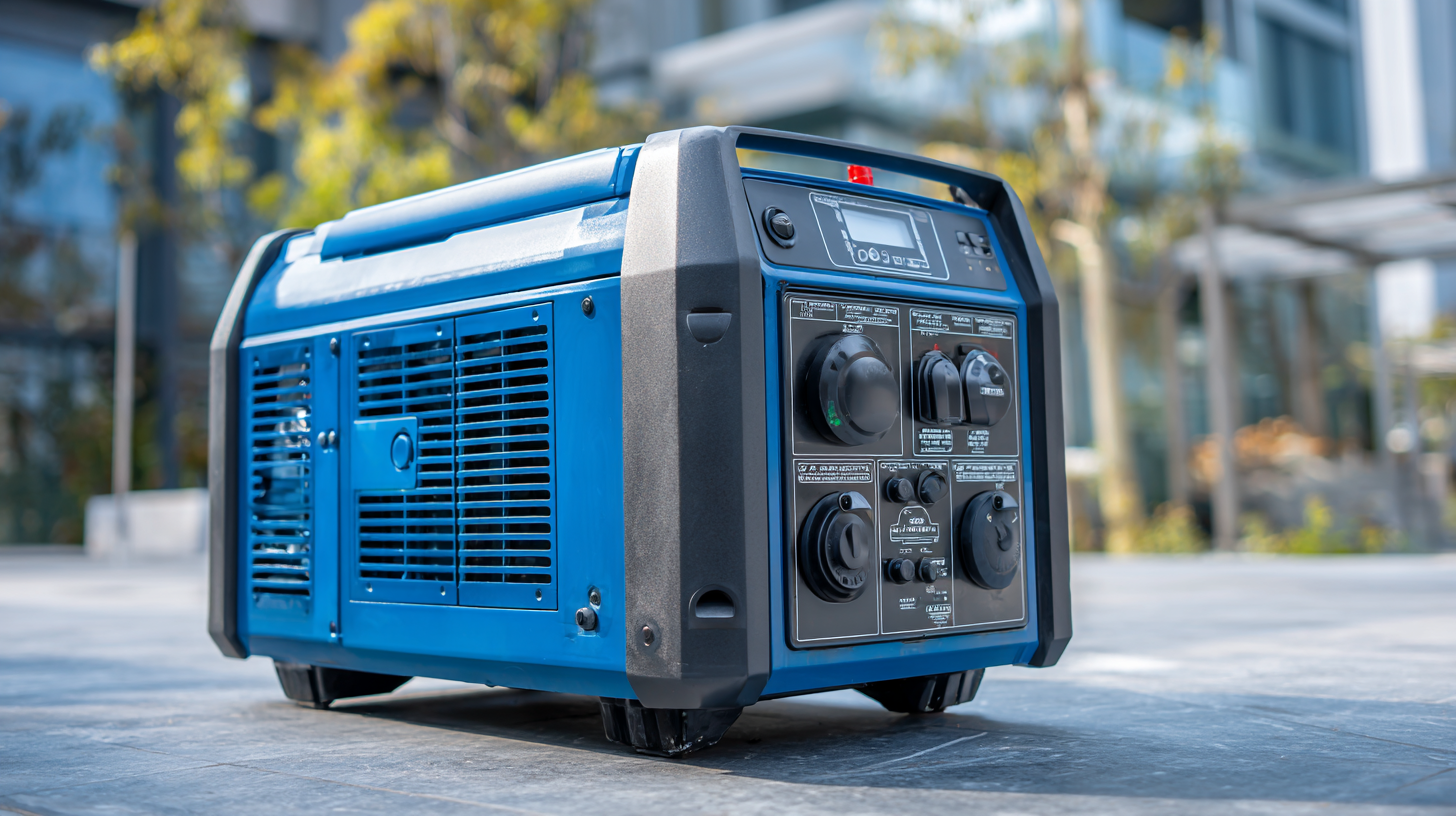
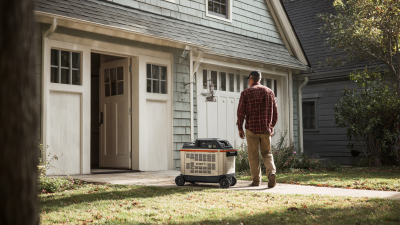
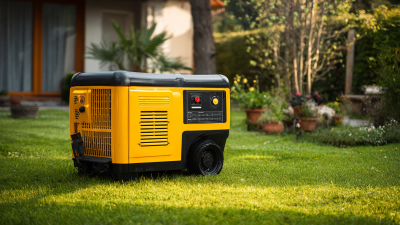
When it comes to selecting a home generator, understanding the different types available is crucial for meeting your energy needs. The most common types are portable generators, standby generators, and inverter generators. Portable generators are versatile and can be easily moved, making them ideal for temporary power outages or outdoor activities. They typically run on gasoline and are available in various wattage options, but users should be mindful of their fuel supply and noise levels.
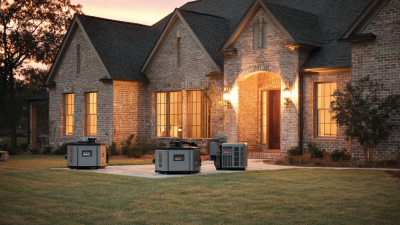
On the other hand, standby generators are permanently installed and automatically kick in during a power outage, providing a seamless transition for your home’s electrical systems. These generators usually run on natural gas or propane and can handle larger loads, making them suitable for whole-house backup during extended outages. Inverter generators, known for their quiet operation and fuel efficiency, convert DC power to AC power, offering a stable output which is perfect for sensitive electronics. Choosing the right generator depends on your specific energy requirements, whether for emergency use, powering essential appliances, or outdoor adventures.
The Ultimate Guide to Choosing the Best Home Generators for Your Energy Needs
This chart illustrates the power output of different types of home generators. Portable generators are commonly used for home backup and outdoor activities, providing around 3500 watts of power. Inverter generators offer quieter operation and are efficient for sensitive electronic devices, with around 3000 watts. Standby generators are powerful for whole-house use, with output reaching up to 12000 watts. Lastly, solar generators, being eco-friendly, provide approximately 1500 watts.
Assessing Your Power Needs for Optimal Generator Selection
When selecting the best home generator for your energy needs, the first step is to accurately assess your power requirements. According to the U.S. Department of Energy, the average American household uses about 877 kWh per month, translating to roughly 29 kWh per day. To determine your needs, consider not only the total energy consumption but also the starting and running wattage for essential appliances. For instance, a refrigerator may require 600 watts to run but can need up to 2,000 watts to start.
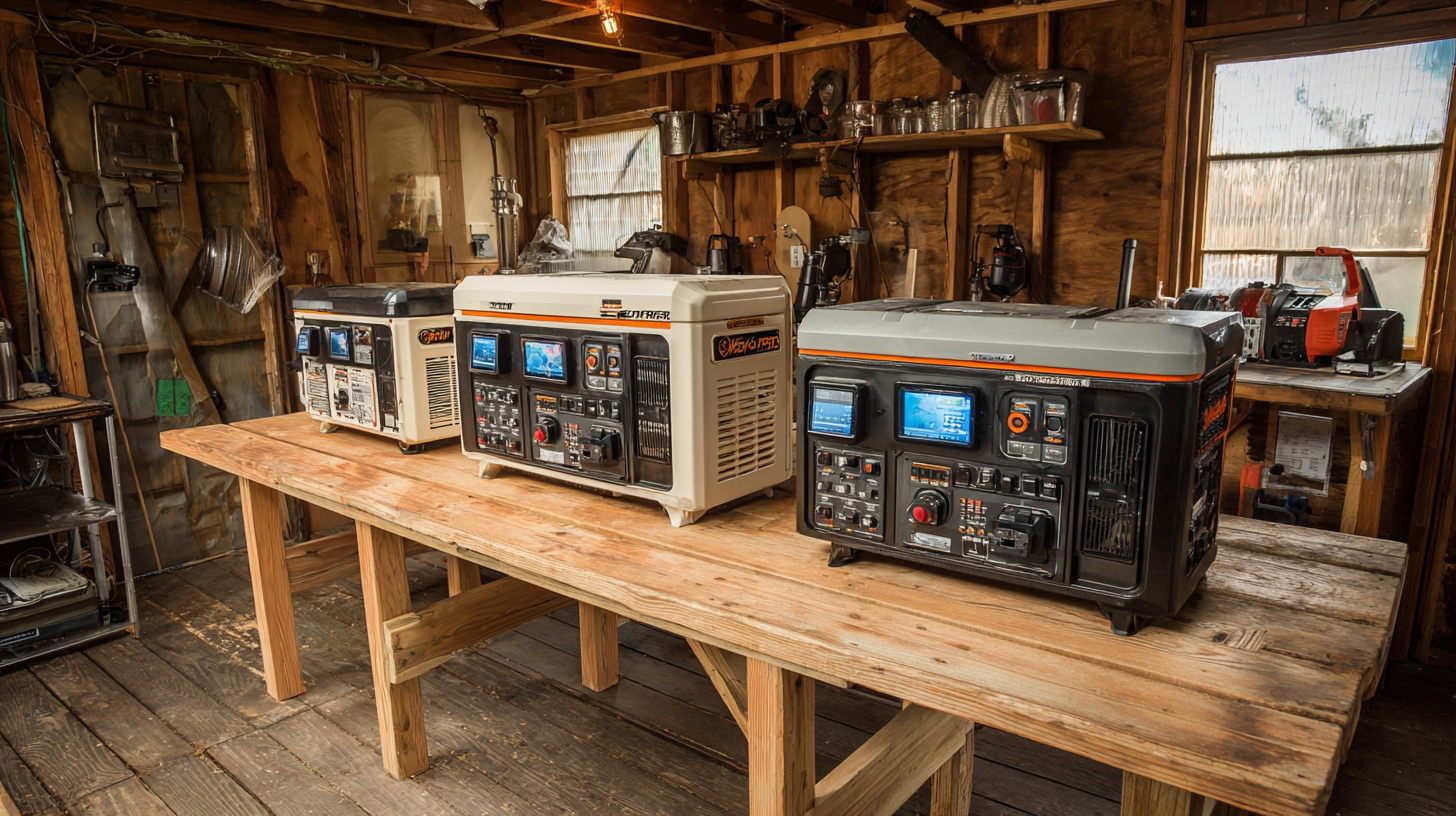
Industry reports indicate that selecting a generator with a capacity that exceeds your highest starting wattage is crucial for resilience during power outages. A portable generator typically offers between 3,000 to 8,500 watts, which can serve numerous household essentials but requires careful planning. For larger homes or during extensive outages, standby generators with capacities exceeding 20,000 watts may be necessary, especially in areas prone to severe weather disruptions. Ultimately, accurately calculating your energy needs not only ensures that you maintain essential services during outages but also helps you choose a generator that operates efficiently within your budget and energy demands.
Essential Features for Modern Home Generators
When selecting a modern home generator, several essential features should be at the forefront of your decision-making process.
First and foremost, consider the generator’s wattage capacity. It’s crucial to determine your power needs by adding up the wattage of the appliances you intend to run during an outage.
A generator with sufficient capacity not only ensures that you can keep your home functional but also helps prevent overloading the system, which can lead to costly repairs.
Another important feature to examine is the fuel type. Generators might run on gasoline, propane, or even natural gas, and each offers distinct benefits.
Gasoline-powered models are generally more portable but require frequent refueling.
Propane, on the other hand, offers a longer shelf life and cleaner energy, making it ideal for extended outages.
Additionally, portability is a key factor to consider—look for models with wheels and handles that allow for easy transportation.
Finally, examine the noise levels produced by the generator. Quieter models are preferable, especially in residential areas, ensuring that your backup power solution won't disturb your neighbors during an emergency.
Budgeting for Your Home Generator Purchase and Maintenance
When considering the purchase of a home generator, budgeting plays a crucial role beyond just the initial investment. According to a report by the U.S. Department of Energy, the average cost of a reliable home generator ranges from $2,000 to $5,000, depending on the wattage and features. This upfront expense is just the beginning; potential buyers should also factor in installation costs, which can add an additional $500 to $1,500. A well-planned budget should include these aspects to avoid unexpected financial strain.
Maintenance is another pivotal aspect that often gets overlooked. The Department of Energy outlines that regular maintenance can cost homeowners approximately $100 to $300 annually. This includes routine checks and servicing to ensure that the generator operates efficiently when needed, especially during power outages. Furthermore, investing in a generator with a good warranty and accessible replacement parts can save substantial money in the long run. By thoroughly budgeting for both the initial purchase and ongoing maintenance, homeowners can make informed decisions that align with their energy needs and financial capabilities.