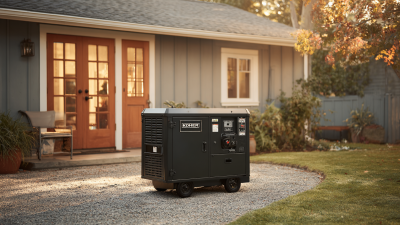
The Ultimate Guide to Choosing the Best Small Generator for Home and Outdoor Use
In recent years, the demand for small generators has surged due to their versatility and efficiency in meeting power needs for both home and outdoor activities. According to the U.S. Department of Energy, there has been a steady increase in the adoption of portable generators, with a projected growth rate of 5.4% annually through 2028. This trend highlights the growing reliance on small generators for emergency preparedness, camping, and recreational use.
The appeal of small generators lies not only in their convenience but also in their improved fuel efficiency and reduced emissions. The Portable Generator Manufacturer's Association reports that advancements in technology have led to the production of eco-friendly models that cater to environmentally conscious consumers. These developments make small generators an essential tool for anyone looking to maintain power during outages or enhance their outdoor experiences.
As you explore the options available in the market, understanding the key features and specifications is crucial for making an informed decision. This guide aims to simplify the selection process by providing insights into the best small generators, ensuring you make a choice that aligns with your specific power needs and usage scenarios.
Key Factors to Consider When Choosing a Small Generator
When choosing a small generator for home and outdoor use, several key factors must be taken into account to ensure optimal performance and suitability for your specific needs. Firstly, consider the power output of the generator. Small generators vary significantly in wattage, so it’s essential to determine the total wattage required for your devices and appliances. This includes understanding the difference between starting and running watts, as many devices require a surge of power to start up.
Another crucial aspect is fuel type. While gasoline generators are popular for their widespread availability and ease of use, other options, such as propane or dual-fuel generators, may offer advantages like longer storage life and cleaner emissions. Durability and portability also play vital roles in your decision; a lightweight, compact design is preferable for outdoor activities, while a robust construction ensures it can withstand harsher conditions. Lastly, evaluate additional features such as noise levels and runtime, as these factors can significantly impact your overall experience with the generator in both home and outdoor settings.
The Ultimate Guide to Choosing the Best Small Generator for Home and Outdoor Use
| Feature |
Details |
Importance |
| Power Output |
Measured in Watts (W), determine the amount of power needed for devices. |
High |
| Fuel Type |
Gasoline, propane, and diesel options available. |
Medium |
| Portability |
Weight and design that allow for easy transport. |
High |
| Runtime |
Duration the generator can run on a single tank of fuel. |
High |
| Noise Level |
Measured in decibels (dB), important for residential areas. |
Medium |
| Starting System |
Manual or electric start options. |
Medium |
| Maintenance |
Frequency and type of maintenance required. |
High |
| Safety Features |
Overload protection and CO shutdown. |
High |
Top 5 Small Generators for Home Use in 2023
When it comes to selecting the best small generator for home use in 2023, the market is brimming with options. According to a recent report by Generator Insights, the demand for portable generators has surged by over 25% in the last year, primarily driven by the growing need for reliable power sources during outages and outdoor activities. With a focus on efficiency and portability, today’s top models are designed to meet various power needs while remaining user-friendly and affordable.
The top five small generators for home use include models that score high on performance and portability. For instance, the Honda EU2200i stands out for its exceptional fuel efficiency, offering a run time of up to 8.1 hours on a single tank. Another standout, the Westinghouse iGen4500, impresses with its inverter technology, which provides clean energy suitable for sensitive electronics while maintaining a lightweight design. Reports suggest that these generators not only cater to home power needs but also excel in outdoor settings, making them a versatile choice for users looking to invest in a reliable power solution for 2023.
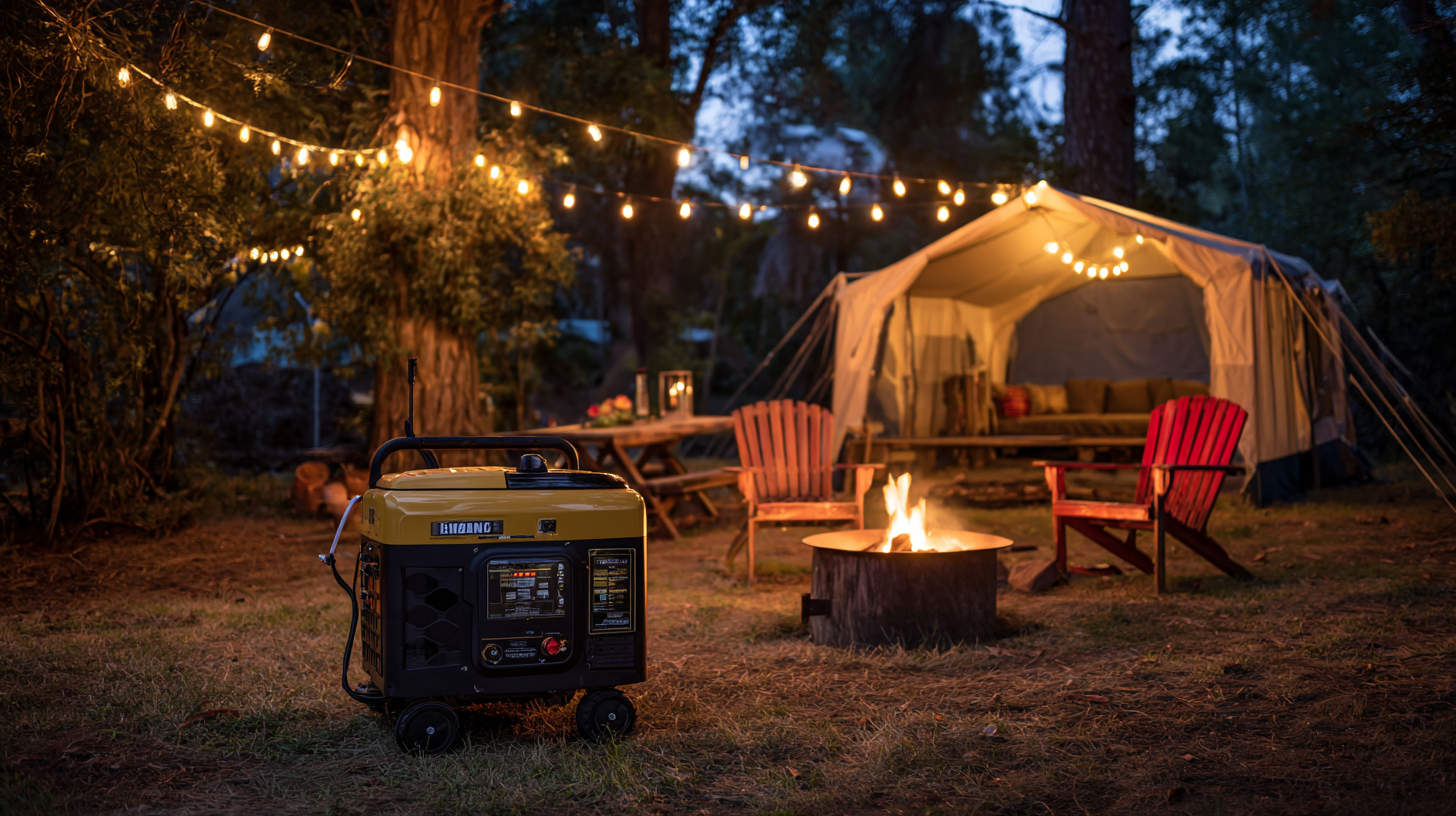
7 Essential Features for Outdoor Generator Selection
When selecting the best small generator for home and outdoor use, there are seven essential features to consider that can greatly influence performance and convenience. First, power output is crucial; look for generators that provide sufficient wattage to run essential appliances. According to the Portable Generator Manufacturers' Association, a generator should ideally support a minimum of 3,000 watts for home use, ensuring it can handle critical electronics during outages.
Second, fuel efficiency plays a key role, particularly for outdoor usage where access to fuel may be limited. Generators with a higher fuel efficiency rating can run longer on a single tank. The U.S. Department of Energy indicates that models with inverter technology can improve efficiency by around 50%, making them a popular choice for outdoor enthusiasts.
Noise level is another important feature, especially when camping or at outdoor events where quiet operation is desired. The National Institute of Occupational Safety and Health recommends selecting models that operate at lower decibel levels to avoid disturbing wildlife and fellow campers. Additionally, portability, durability, and ease of use such as electric start functions and wheels can greatly enhance the user experience, making it easier to transport and operate the generator in various settings.
The Ultimate Guide to Choosing the Best Small Generator for Home and Outdoor Use
3 Common Mistakes to Avoid When Buying a Generator
When purchasing a small generator for home or outdoor use, avoiding common pitfalls can save you time and money. One major mistake is failing to calculate your power needs accurately. According to industry reports, up to 60% of consumers underestimate the wattage required for their appliances. To prevent this, make a list of the devices you plan to connect and consult a wattage calculator to ensure you select a generator that meets your needs.
Another common error is neglecting to consider fuel type and efficiency. Each generator operates on different fuel sources—gasoline, propane, or diesel—with varying costs and availability. Research shows that propane-powered generators tend to offer better longevity and efficiency for home use. It's also crucial to assess the noise level of the generator, as a decibel rating above 60 can disturb your neighbors, especially in residential areas.
Tips: Always check for warranties and customer service options before buying; a reliable manufacturer can make a significant difference in your experience. Additionally, read user reviews to learn from others' experiences and avoid potential issues in advance. By paying attention to these details, you'll find a generator that suits your lifestyle, ensuring smooth operation during outages or adventures.
How to Maintain Your Small Generator for Longevity
Maintaining your small generator is essential for ensuring its longevity and optimal performance. First and foremost, regular oil changes are crucial; this not only keeps the engine lubricated but also prevents overheating and wear. Check the owner's manual for the recommended schedule and type of oil to use. Additionally, inspect and clean the air filter frequently to prevent dirt and debris from entering the engine, which can impede its efficiency.
Another important aspect of generator maintenance is fuel management. Always use fresh fuel, as old gasoline can lead to carburetor issues and other complications. If you plan not to use your generator for an extended period, consider adding a fuel stabilizer to extend the shelf life of the fuel. Furthermore, proper storage is vital; keep the generator in a dry, ventilated area to protect it from moisture and rust. Regularly check the battery and electrical connections to ensure everything is in working order, allowing your generator to perform seamlessly when needed.