How to Use Welded Wire Mesh in Your Projects?
welded wire mesh has become a cornerstone in many construction and landscaping projects. It offers a unique combination of durability and versatility. As industry expert John Harrison puts it, "Welded wire mesh elevates structural integrity while simplifying project execution." This insight captures the essence of its importance.
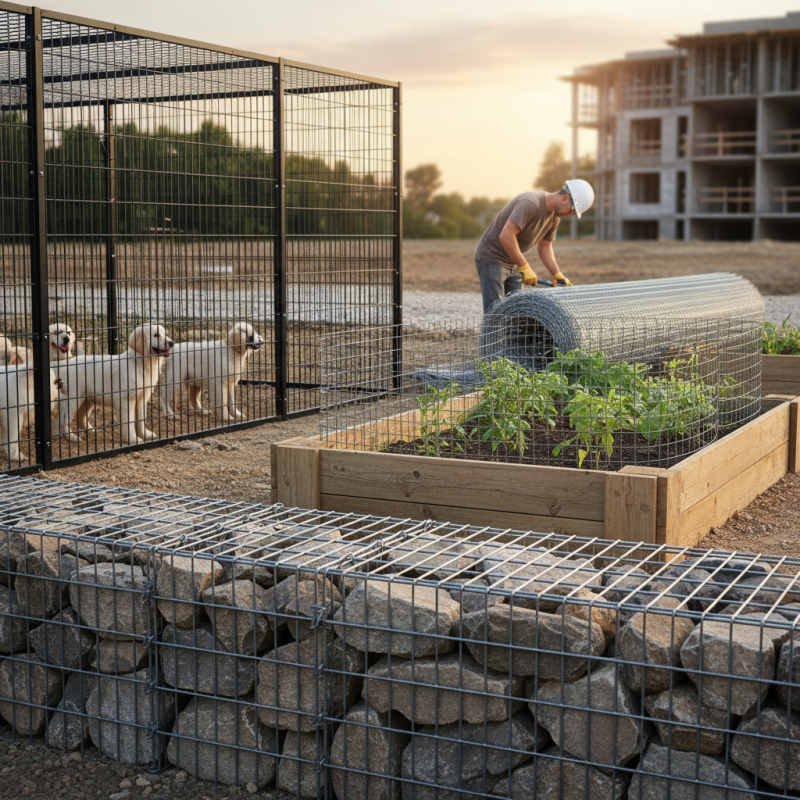
Using welded wire mesh can bring both advantages and challenges. It's lightweight yet strong, easy to install but can be tricky to manipulate in large sheets. Many find themselves underestimating its strength or overestimating the ease of installation. Visualizing the application helps; think retaining walls, animal enclosures, or garden beds. Each of these uses showcases how practical and effective welded wire mesh can be.
The learning curve often comes with practice. Initial projects may lack the precision desired. Yet, each attempt builds a better understanding. By reflecting on past experiences, you can improve your techniques, harnessing the full potential of welded wire mesh. Embracing this growth mindset can lead to impressive results in future endeavors.
Understanding Welded Wire Mesh: Varieties and Applications
Welded wire mesh is versatile and durable. It comes in various sizes and materials. Common types include galvanised, stainless steel, and plastic-coated mesh. Each variety serves unique applications in construction, agriculture, and landscaping.
In construction, welded wire mesh is often used for reinforcing concrete. It adds strength to slabs, driveways, and foundations. Farmers use it to create fences for livestock or as supports for climbing plants. However, improper installation can lead to unwanted sagging or bending.
Landscapers appreciate its flexibility for garden beds and trellises. Yet, selecting the right mesh size is crucial. A mesh that is too fine might not support heavier plants well. Evaluating your project needs ensures effective use of welded wire mesh. Remember, not all projects are straightforward. Learning from mistakes can lead to better outcomes.
Choosing the Right Welded Wire Mesh for Your Project Needs
Choosing the right welded wire mesh is crucial for your projects. Various factors influence this choice. Consider the mesh size, wire gauge, and material type. It's essential to reflect on your project's specific requirements. Not every option suits every application.
For example, if you're constructing a garden fence, you might need a finer mesh. This prevents smaller animals from entering. On the other hand, if you're reinforcing concrete, a heavier wire gauge is ideal. It provides the strength and durability necessary for the project. Think carefully about your needs before making a decision.
Sometimes, what seems perfect at first may not be effective. A wire that looks sturdy might rust over time. This could lead to future repairs. It's worth considering the long-term implications of your choice. When selecting welded wire mesh, prioritize quality and suitability for the task at hand. Don't rush; take time to evaluate your options properly.
Essential Tools and Materials for Working with Welded Wire Mesh
When working with welded wire mesh, having the right tools and materials is crucial. You will need a sturdy pair of wire cutters. They help you create clean cuts without fraying the edges. Heavy-duty gloves are essential, too, for protecting your hands from sharp wire ends. A measuring tape will ensure you get precise dimensions for your project. Additionally, safety goggles can protect your eyes from flying debris when cutting.
For most projects, twisted ties or zip ties are useful for securing the mesh firmly in place. You might also need a welding torch if you plan on creating a more permanent structure. If you lack welding experience, consider getting help or using alternative methods to join pieces. It's important not to rush; accuracy matters. It can be frustrating to redo sections if your measurements are off. Sometimes, improvisation leads to creativity, but it should be calculated.
You might also want to use a level to ensure everything is aligned correctly. Some projects may not require it, but having a level on hand can save you headaches. Remember to plan ahead and sketch your design. Too often, people jump into projects without a solid plan, leading to mistakes. Taking time at the start to think through your project can make a significant difference.
Step-by-Step Guide to Installing Welded Wire Mesh in Your Project
Using welded wire mesh in your projects can add strength and stability. It’s a versatile material, suitable for various applications. To install it, start by measuring your area. Ensure that you have the right dimensions in mind. It may take a few attempts to get it right.
Next, prepare the ground. Clear any debris or old plants. Sometimes, the surface isn’t level. Take your time here; it’s crucial for a smooth installation. Lay down a weed barrier if needed. This prevents issues later on.
When it comes to cutting the wire, use appropriate tools for safety. Measure twice, cut once. Don’t rush this step; mistakes can happen easily. Secure the mesh in place using stakes or ties. It’s a detail many overlook, but it’s important to make sure everything stays put. After securing, inspect your work. Are there any gaps? Reflect on these areas; they could lead to future problems.
Tips for Maintaining and Protecting Your Welded Wire Mesh Structures
Welded wire mesh can be versatile in various projects, from fencing to garden beds. However, to ensure the longevity of your structures, maintenance is essential. Start by regularly inspecting for rust or damage. If you notice any issues, address them immediately. Small problems can escalate into larger repairs if overlooked.
Some tips for protecting your welded wire mesh include applying a rust-resistant coating. This can extend its lifespan significantly. Furthermore, placing your mesh in areas that avoid excessive moisture reduces rusting. Consider using a concrete base to anchor your projects. This stabilizes the mesh and provides additional protection from the elements.
In tough environments, covering your structures with a tarp during harsh weather can be beneficial. Yet, remember that proper airflow is essential to prevent moisture buildup. Keep an eye on vegetation near the mesh; roots can penetrate and compromise its integrity. Regular maintenance can feel tedious but is crucial for durability. Reflect on how well you protect your investments.
How to Use Welded Wire Mesh in Your Projects? - Tips for Maintaining and Protecting Your Welded Wire Mesh Structures
| Project Type | Use Case Description | Maintenance Tips | Protection Strategies |
| Garden Fencing | Create a barrier to keep animals out. | Inspect for rust and replace damaged sections. | Use paint or coatings to prevent rust. |
| Concrete Reinforcement | Strengthen concrete structures like slabs and walls. | Ensure proper bonding with concrete during installation. | Apply sealants to enhance durability. |
| Animal Enclosures | Build secure housing for pets or livestock. | Check for loose edges and secure them regularly. | Use collapsible or removable panels for easy access. |
| Landscaping Features | Create trellises or decorative garden accents. | Clean debris regularly to prevent corrosion. | Integrate natural elements like wood for added protection. |
| Storage Solutions | Construct shelving or storage units. | Avoid heavy loads that can deform the mesh. | Use water-resistant coatings if exposed to moisture. |