What Is the Best Generator to Install?
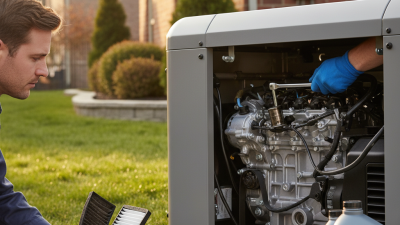
Choosing the best generator to install is not simply a matter of comparing wattage and price. The right system must match the building’s electrical load, fuel supply, climate, noise limits, and expected outage duration. A refrigerator, sump pump, medical device, or well pump can each change the calculation.
The U.S. Energy Information Administration reported that American electricity customers experienced more than eight hours of interruption on average in 2020, including major events. That figure shows why dependable backup power deserves careful planning. The U.S. Department of Energy also emphasizes correct transfer equipment, safe installation, and professional inspection. A generator sitting beside a house is not yet a reliable power system.
Electrical educator Mike Holt offers a practical warning: “A generator is only as safe as the installation around it.” The wording is simple, but the lesson matters. Incorrect grounding, undersized conductors, or poor ventilation can create serious performance and safety problems. I have seen many buying guides focus heavily on starting watts while overlooking fuel storage and maintenance access. That approach feels incomplete.
Reports from MarketsandMarkets identify growing demand for standby generators across residential, commercial, and industrial applications. However, market growth does not make every model suitable for every property. This guide will examine how to install generator systems responsibly, compare standby and portable options, and evaluate capacity, transfer switches, fuel type, placement, and long-term operating costs. Some recommendations may change after a licensed electrician measures the actual load. That uncertainty is worth acknowledging.
Types of Generators and Their Best Applications
What Is the Best Generator to Install?
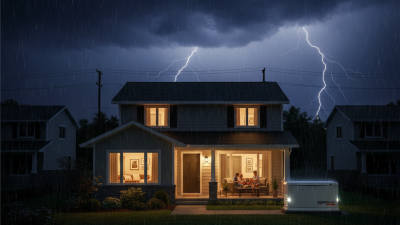
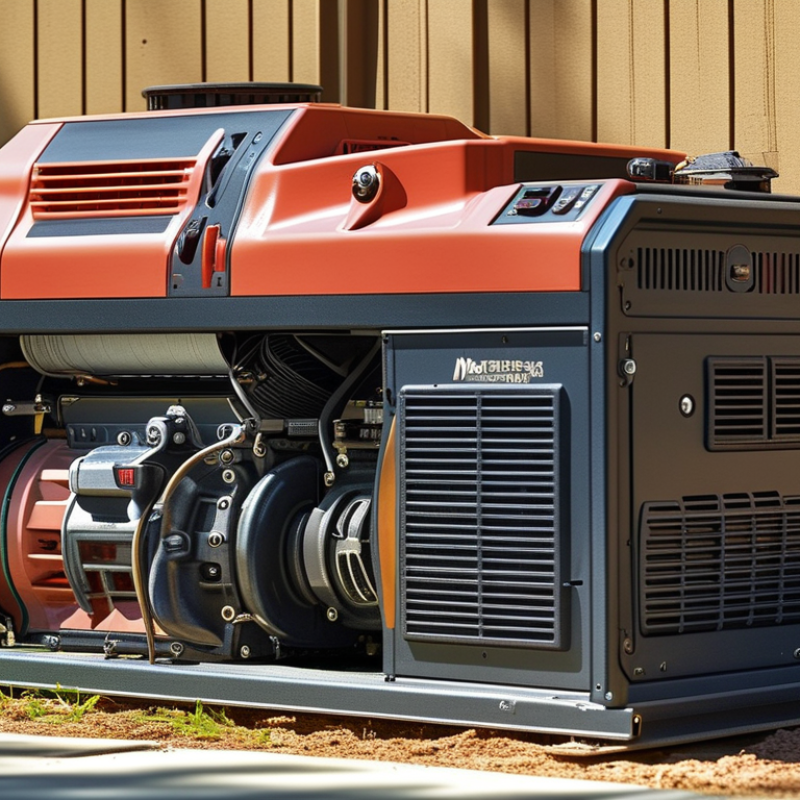
The best generator depends on the equipment, location, and expected outage length. A standby generator suits homes needing automatic backup. It connects to a transfer switch and starts when utility power fails. A portable generator works well for occasional outages, workshops, or outdoor tasks. However, it requires manual setup and safe outdoor placement. An inverter generator produces cleaner, quieter power for sensitive electronics, camping equipment, and small offices. Larger commercial generators can support construction sites, farms, and critical facilities. They need careful load calculations and regular servicing.
Tips: List every appliance you may run together. Include refrigerators, pumps, heating systems, and medical equipment. Check each starting wattage, not only its running wattage. Keep generators outdoors, away from windows and doors. Ask a qualified electrician to inspect wiring, grounding, ventilation, and the transfer switch. Fuel storage also deserves attention. Poor planning can turn a useful generator into an expensive noise source.
In my experience, choosing by advertised power alone often creates problems. A small unit may overload when a motor starts. An oversized unit may waste fuel and operate inefficiently. Think about noise, maintenance access, weather protection, and fuel availability. An automatic system offers convenience, but it costs more and needs professional installation. A portable model costs less, yet someone must move, connect, and monitor it. There is no perfect answer. Your real emergency habits matter more than the product category.
How to Match Generator Size With Your Power Needs
What Is the Best Generator to Install?
How to Match Generator Size With Your Power Needs
The best generator is not always the largest one. Start with a written list of essential appliances, such as a refrigerator, sump pump, heating system, lights, and internet equipment. Record each unit’s running watts and starting watts. Motors often need two to three times more power during startup. Add the running watts, then include the highest starting surge from one appliance. This gives a more realistic capacity target.
A home I once assessed had enough running power on paper, but its pump repeatedly stalled the generator. The missing detail was startup demand. That mistake is easy to make. Check appliance labels, installation manuals, or measurements from a qualified technician. Choose a generator with extra capacity, usually 20 to 25 percent above the calculated load. This reserve helps when devices run together or household needs change.
Think beyond wattage. Fuel availability, noise, ventilation, weather, altitude, and maintenance all affect reliable operation. A portable unit may suit occasional outages, while a standby system can support selected circuits automatically. A properly rated transfer switch is essential. Have a licensed electrician install it according to local electrical codes. Never connect a generator directly to a wall outlet. Carbon monoxide can accumulate quickly, even near open doors or windows, so operate fuel-burning equipment outdoors and away from openings. Recheck your load calculation after adding a freezer, workshop tool, or medical device. My own estimates have improved when I verify assumptions instead of trusting a quick appliance count.
What Is the Best Generator to Install?
How to Match Generator Size With Your Power Needs
This example shows typical running and startup power requirements for common essential household loads. A generator should be sized for the appliances that may operate at the same time, while also allowing for the highest startup surge from motors such as refrigerators, pumps, and furnace blowers. Actual power requirements vary by model, so check each appliance’s nameplate or manual before installation.
As a practical guide, keep the expected continuous load below approximately 80% of the generator’s rated output. For example, a simultaneous running load of about 4,000 watts generally calls for a generator rated above 5,000 watts, with enough surge capacity for motor-driven equipment.
Fuel Options, Runtime, and Operating Costs
What Is the Best Generator to Install?
Fuel Options, Runtime, and Operating Costs
The best generator depends on fuel access, expected runtime, and your normal electrical load. A gasoline unit often costs less initially. However, gasoline can degrade during long storage. It also becomes expensive during extended outages.
Diesel generators usually deliver strong fuel efficiency and long service life. They suit heavy loads and frequent operation. Their purchase price and maintenance needs can be higher. Propane stores well and burns cleanly, but cold weather can reduce pressure. Natural gas offers convenient, continuous supply when the utility line remains active. A dual-fuel model adds flexibility, though its controls and maintenance may be more complicated.
Runtime depends more on load than tank size. A generator using 50% capacity may run far longer than one powering heaters, pumps, and cooking appliances together. Measure actual wattage with a load meter before choosing. A 20-liter tank sounds substantial. It may last only several hours under heavy demand. Operating cost should include fuel, oil, filters, inspections, transfer equipment, and installation labor. These details are easy to overlook.
I would test the generator under realistic conditions each month. Run the refrigerator, sump pump, lights, and selected outlets together. Do not rely on idle testing alone. My own planning would include extra fuel capacity, but not excessive storage. That choice adds cost and creates another maintenance task. A qualified electrician should verify grounding, ventilation, and safe connection methods.
What Is the Best Generator to Install? — Fuel Options, Runtime, and Operating Costs
| Fuel Option |
Typical Generator Configuration |
Example Fuel Storage |
Estimated Runtime at 5 kW Load |
Estimated Fuel Use per Hour |
Estimated Fuel Cost per Hour |
Fuel Availability During an Outage |
Maintenance and Storage Considerations |
Best Installation Use |
| Gasoline |
Portable or standby generator rated around 7 kW |
5 U.S. gallons in an approved safety container |
Approximately 8–12 hours |
About 0.45–0.60 gal/hr |
About $1.58–$2.10/hr
(at $3.50/gal) |
Moderate |
Gasoline has a limited storage life and can degrade over time. Fuel stabilizer, regular rotation, and carburetor maintenance may be required. |
Short outages, portable use, construction work, and locations without a fixed fuel connection |
| Diesel |
Standby or heavy-duty generator rated around 7 kW |
6 U.S. gallons in a properly rated tank |
Approximately 14–18 hours |
About 0.33–0.43 gal/hr |
About $1.32–$1.72/hr
(at $4.00/gal) |
High |
Diesel engines are durable and efficient, but stored fuel can develop water or microbial contamination. Periodic fuel inspection and filter service are important. |
Frequent outages, long runtime, commercial facilities, and high-load applications |
| Propane |
Dual-fuel or propane standby generator rated around 7 kW |
One 20 lb cylinder, approximately 4.6 U.S. gallons of propane equivalent |
Approximately 6–8 hours |
About 0.55–0.75 gal/hr equivalent |
About $1.38–$1.88/hr
(at $2.50/gal equivalent) |
High |
Propane stores for a long time without the same gasoline oxidation problems. Tanks must remain upright, protected, and installed according to local safety requirements. |
Residential standby systems, cleaner fuel storage, and areas where propane tanks are already installed |
| Natural Gas |
Permanently installed standby generator connected to a utility gas line |
Continuous utility supply; no on-site liquid-fuel tank required |
Potentially continuous while utility pressure is maintained |
About 0.60–0.85 therm/hr |
About $0.72–$1.02/hr
(at $1.20/therm) |
Low to moderate |
Fuel storage is simple, but the generator depends on the gas network. Earthquakes, severe storms, or utility interruptions may affect supply and pressure. |
Automatic residential or light-commercial standby installation where a reliable gas connection is available |
Planning assumptions: Estimates are based on a generator producing approximately 5 kW continuously, moderate ambient conditions, and typical fuel prices of $3.50/gal for gasoline, $4.00/gal for diesel, $2.50/gal-equivalent for propane, and $1.20/therm for natural gas. Actual runtime and cost vary with generator efficiency, load, temperature, altitude, fuel quality, local prices, and maintenance condition. Fuel cost estimates exclude oil, filters, servicing, installation, permits, and periodic testing.
Installation, Safety, and Maintenance Requirements
What Is the Best Generator to Install?
The best generator is not always the largest model. It should match essential loads, fuel availability, transfer equipment, and site conditions. A licensed electrician can calculate starting watts for pumps, refrigerators, and heating systems. Oversizing may increase fuel use and maintenance costs. Undersizing can overload the unit.
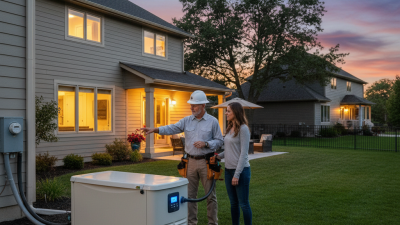
Installation safety deserves more attention than shopping features. NFPA research estimates that generators caused about 5,300 home fires annually between 2014 and 2018, with approximately 70 civilian deaths. Place the generator outdoors, at least 20 feet from doors, windows, and vents, with exhaust directed away from the building. Never connect it directly to a wall outlet. A properly installed transfer switch helps prevent dangerous backfeeding into utility lines. Carbon monoxide alarms should be installed inside sleeping areas, but alarms are not a substitute for ventilation.
Maintenance is practical, not glamorous. Check oil before each extended use, inspect cords for cuts, and run the system briefly each month under load. Follow the maintenance intervals in the technical manual. Fuel can degrade faster than expected, especially in warm storage areas. CPSC safety guidance repeatedly emphasizes testing carbon monoxide protection features. I would also record service dates on a simple label near the control panel. People forget. Even careful owners do. Local electrical codes and permit requirements may differ, so a final inspection is worth the inconvenience.