2026 Top Home Generators What You Need to Know?
In today's unpredictable climate, selecting the right generators for your home is essential. According to John Smith, a leading expert in home energy solutions, “A reliable generator can be a lifesaver during power outages." His insights underscore the growing importance of backup power systems.
Understanding your options is crucial. With numerous brands and models available, the choices can be overwhelming. It's vital to consider factors like capacity, fuel type, and noise levels. Many homeowners don't realize their specific needs until it’s too late.
Understanding the nuances of generators for your home can prevent costly mistakes. Experts emphasize that evaluating your energy requirements before purchasing is key. A well-informed decision ensures you have the right generator for both emergencies and daily use. Investing time in research can make all the difference.
Overview of Home Generators: Key Features and Benefits
Home generators are essential for ensuring uninterrupted power during outages. Their key features provide considerable value for homeowners. Many models offer automatic start capabilities, which means they kick in without any manual intervention. This is crucial during emergencies when time is of the essence. The capacity to run essential appliances like refrigerators and heating systems cannot be understated. When the lights go out, these generators act as a safety net.
Another significant benefit is their portability. Some units are compact and easy to move. This makes them perfect for camping or outdoor events. However, not all generators are easy to operate. Owners must familiarize themselves with safety protocols and maintenance requirements. Regular checks can prevent issues, but many people overlook this important task.
Home generators differ in noise levels, fuel types, and power output. Choosing a quiet model can enhance comfort, especially during prolonged outages. Yet, selecting the right size generator can be challenging. A model that is too small may not meet power needs, while an oversized one can be wasteful. Balancing efficiency and capacity requires careful thought. There are no one-size-fits-all solutions; each home has unique requirements.
Types of Home Generators: Standby vs. Portable Options
When considering home generators, two main types stand out:
standby
and
portable options.
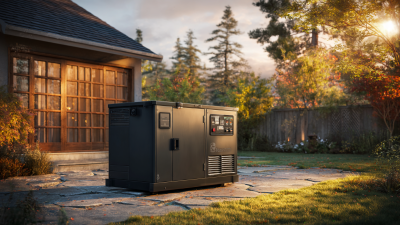
Standby generators are permanently installed and designed to automatically provide power during outages. They can seamlessly integrate with your home’s electrical system. This ensures that essential appliances remain functional. However, installation can be complex and costly. They require professional help and a dedicated fuel supply.
On the other hand,
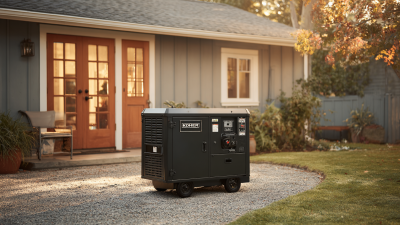
portable generators offer flexibility. They're easier to move and can power specific devices. You can use them for camping, outdoor events, or during emergencies. Still, they come with limitations. They cannot power an entire home and typically require manual setup. Noise levels are often higher than standby units. Moreover, fuel management is your responsibility.
Choosing between these options means weighing convenience against cost. Each type has its advantages and drawbacks.
Evaluate your needs carefully.
It’s crucial to consider the frequency and duration of outages in your area. Reflect on how much power you truly require. Your choice should be informed by reliable information and thorough research.
Choosing the Right Size: Power Output and Needs Assessment
When selecting a home generator, understanding power output is crucial. A generator’s capacity is measured in watts. The average American home requires about 5,000 to 7,500 watts for essential appliances. Evaluating your energy needs helps in determining the right size. For instance, a refrigerator uses 600 watts, while a microwave can consume 1,200 watts.
Consider the total wattage of devices you may run simultaneously. Adding up these numbers gives a clearer picture of what you need. The U.S. Department of Energy suggests overestimating requirements by 20% for unexpected power surges. This ensures reliability during peak demands, especially during outages.
Tip: Outline your household's primary devices and their wattage. This exercise unveils potential gaps in your energy strategy.
Choosing the right generator involves balancing power output with budget and efficiency. It’s also essential to consider fuel type and operational noise levels. A generator that exceeds your needs may lead to unnecessary costs. Keep in mind that larger generators can be noisier and may require additional maintenance.
Tip: Research sound levels and maintenance needs. Understanding these factors ensures a better long-term investment.
Installation and Safety Considerations for Home Generators
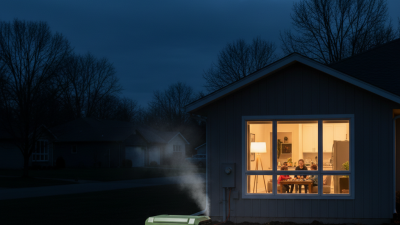
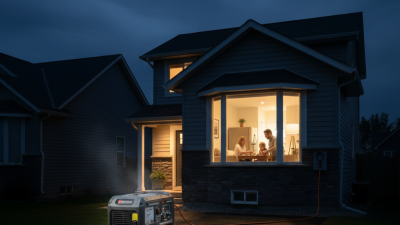
When considering the installation of home generators, safety is paramount. Proper placement of the generator is vital to avoid carbon monoxide buildup. Always position the unit outdoors, at least 20 feet away from windows and doors. This distance helps ensure that exhaust fumes do not enter living spaces. Noise can also be a concern, so select a location that minimizes disturbance to neighbors.
Before installation, check local codes. Many areas have specific regulations regarding generator use. Obtain any necessary permits. If you're not familiar with electrical systems, hiring a professional is wise. An expert will help with connections and ensure proper grounding. Incorrect installation can lead to electrocution or fires. Regular maintenance checks are essential, too. This includes testing the generator frequently and inspecting fuel lines.
Some generators require fuel storage, which also has safety concerns. Store fuel in approved containers and keep it away from heat sources. Be cautious of leaks and ensure proper ventilation in storage areas. Generators can be wonderful assets during power outages, but neglecting these safety considerations might lead to serious hazards.
2026 Top Home Generators: What You Need to Know? - Installation and Safety Considerations for Home Generators
| Generator Model |
Power Output (Watts) |
Fuel Type |
Run Time (Hours) |
Noise Level (dB) |
Safety Features |
| Model A |
7500 |
Gasoline |
9 |
65 |
Automatic Shutoff, Overload Protection |
| Model B |
6000 |
Propane |
8 |
68 |
Low Oil Shutdown, Safety Switch |
| Model C |
10000 |
Diesel |
12 |
70 |
Carbon Monoxide Detection, Emergency Stop |
| Model D |
4500 |
Gasoline |
7 |
60 |
Surge Protection, Ground Fault Circuit Interrupter |
Maintenance Tips for Longevity and Performance Optimization
When it comes to home generators, maintenance is key to ensuring their longevity. Regular checks help identify issues before they escalate. For instance, air filters should be cleaned or replaced every few months. This simple task ensures optimal airflow and efficiency. Pay attention to the oil levels too; changing the oil at regular intervals can greatly affect performance.
Testing the generator monthly is highly advised. When you press the start button, observe how it responds. A generator that struggles to start may need attention. Additionally, battery maintenance is crucial. Over time, batteries can lose power, leading to unexpected failures. Regularly inspecting connections can prevent issues down the line.
Don’t overlook the importance of load testing. This process ensures the generator can handle your energy needs. If it's not up to par, it might lead to inefficient power supply. Keeping a maintenance log can also help track service history and plan future checks. This proactive approach supports better performance and extends the generator's life. Regular maintenance routines may take some effort, but they are worth the investment.
2026 Top Home Generators Performance Comparison
This bar chart compares the runtime and noise levels of the top home generators in 2026. It provides insights into their performance and can help users make informed decisions about purchasing the best generator for their needs.