How to Choose the Right Power Station Generator for Your Needs
Choosing the right power station generator is essential for ensuring a reliable and efficient power supply for various applications, whether for outdoor adventures, emergency backup, or everyday use. With a multitude of options available in the market, it is crucial to understand your specific power requirements and usage scenarios. A power station generator is not just a backup power solution; it can enhance your ability to stay connected and operate essential devices during any situation.
In assessing your needs, factors such as output capacity, portability, and fuel type will play a significant role in determining the most suitable generator for you. Additionally, understanding the difference between traditional generators and modern power station generators, which often feature advanced technologies and eco-friendly options, can significantly impact your decision. This guide aims to provide insights into how to navigate the selection process and choose a power station generator that aligns perfectly with your lifestyle and power needs. By considering these key aspects, you can make an informed choice, ensuring that your power station generator meets your expectations effectively and efficiently.
Understanding Your Power Needs and Usage Scenarios
When selecting a power station generator, understanding your power needs is the first step toward making an informed choice. Begin by assessing the devices and appliances you intend to power. This involves calculating the wattage required for each item, especially for higher-consumption appliances like refrigerators or power tools. It's also crucial to distinguish between starting wattage, which is the energy needed to initially power up devices, and running wattage, the energy required to keep them functioning. Balancing these factors will help you determine the capacity you need in a generator.
Next, consider your usage scenarios. Are you planning to use the generator for camping, in case of a power outage at home, or during outdoor events? Each scenario presents different power requirements and run times. For instance, if you're using the generator for recreational activities, you may prioritize portability and quiet operation, while a backup generator for home use might emphasize higher wattage and longer run times. Evaluate your typical usage duration and the environment in which the generator will operate, as these elements significantly influence your choice, ensuring that the power station meets your specific needs efficiently.
Types of Power Station Generators: A Breakdown
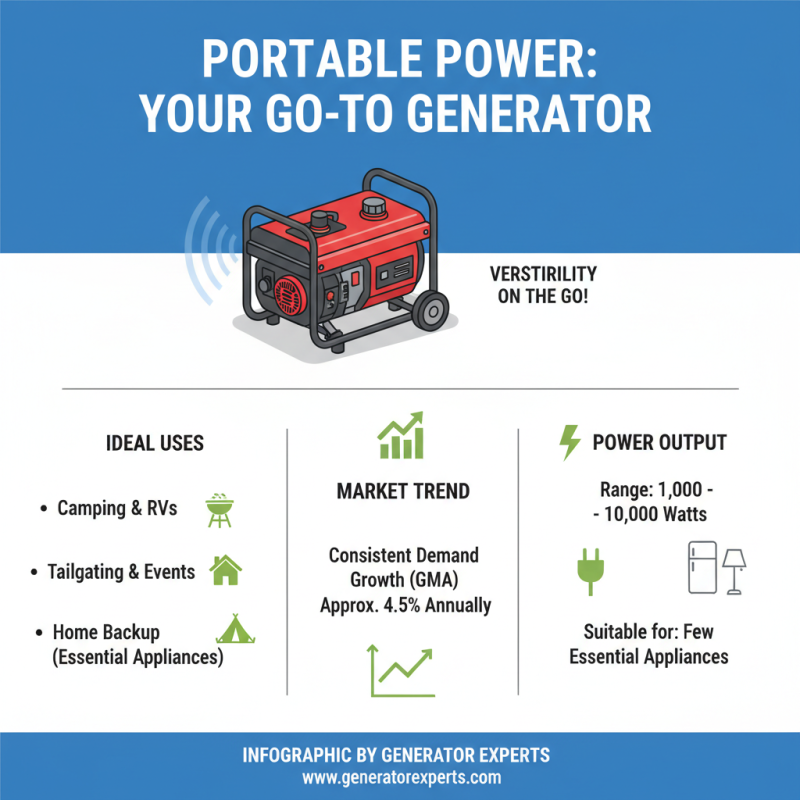
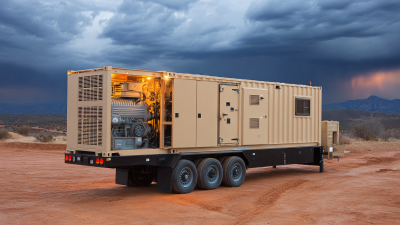
When selecting a power station generator, it’s crucial to understand the different types available to make an informed decision that suits your needs. Portable generators, known for their versatility, are ideal for camping, tailgating, or as a backup source during power outages. According to the Generator Manufacturers Association (GMA), portable generators have seen a consistent rise in demand, with a growth rate of approximately 4.5% annually. These generators typically offer a power output ranging from 1,000 to 10,000 watts, making them suitable for powering a few essential appliances.
On the other hand, inverter generators are becoming increasingly popular due to their advanced technology and fuel efficiency. Unlike conventional generators, inverter models provide clean and stable power, making them suitable for sensitive electronics. Reports from the Electric Power Research Institute (EPRI) indicate that inverter generators have a market penetration growth projected to reach 25% of the total generator market by 2025. Their quieter operation and lighter weight further enhance their appeal for outdoor activities, where low noise levels and portability are paramount.
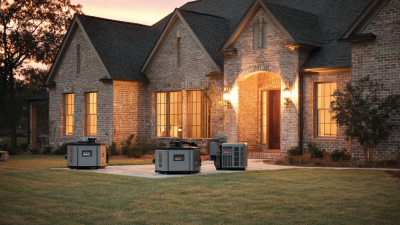
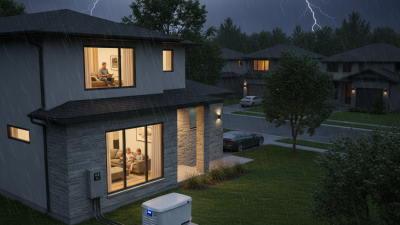
Lastly, standby generators are permanently installed systems that automatically kick in during a power outage. These generators provide higher power outputs, typically ranging from 7,000 to over 20,000 watts. With increasing reliance on technology and electronics in households, the importance of having a reliable standby generator is underscored by a market trend indicating a steady increase in residential installations, forecasted to grow by 6% annually according to data from the Home Improvement Research Institute (HIRI). Each type of generator serves distinct purposes, and understanding these can greatly assist in making the right choice for your specific power needs.
Key Features to Look for in a Power Generator
When selecting a power station generator, understanding the key features is crucial to ensure it meets your specific needs. First and foremost, consider the generator's power output, which is typically measured in watts. This determines how many devices or appliances it can support at once. A generator with a higher wattage is essential for powering larger equipment, while a lower wattage may suffice for smaller devices. Additionally, understanding the starting vs. running wattage is important, as some appliances require more power to start than to run.
Portability is another vital feature to examine. If you plan to use the generator for outdoor activities or emergency situations, a lightweight design with wheels or handles can facilitate easy mobility. Additionally, fuel type plays a significant role—options typically include gasoline, propane, and solar power. Each fuel type has its advantages and limitations regarding availability, run time, and emissions. Finally, consider the noise level of the generator, as quieter models can be a significant advantage in residential areas or during camping trips, ensuring that your generator does not disrupt your peace or that of your neighbors.
How to Choose the Right Power Station Generator for Your Needs - Key Features to Look for in a Power Generator
| Feature |
Description |
Importance Rating (1-5) |
| Power Output |
The amount of electricity the generator can produce, measured in watts. |
5 |
| Fuel Type |
The type of fuel used, such as gasoline, propane, or diesel. |
4 |
| Portability |
Ease of transport, including weight and design features like wheels. |
3 |
| Run Time |
How long the generator can operate on a full tank of fuel. |
5 |
| Noise Level |
Measured in decibels (dB), a lower level indicates quieter operation. |
3 |
| Safety Features |
Includes overload protection, low oil shutdown, and fuel shut-off. |
5 |
| Starting System |
Options include recoil start, electric start, or remote start. |
4 |
Assessing Portability and Storage Options
When selecting a power station generator, assessing portability and storage options is crucial for ensuring it meets your specific needs. According to industry reports, the demand for portable generators has surged by 25% in recent years, largely driven by outdoor recreational activities and emergency preparedness. A key factor in portability is the weight of the generator, which typically ranges from 20 to 150 pounds. For those frequently on the move, choosing a lightweight generator with built-in wheels or a handle can significantly enhance mobility. Additionally, considering the compact design of the generator will ensure it can be easily stored in limited spaces, such as in an RV or car trunk.
Storage capabilities also play a pivotal role, especially regarding fuel types and capacity. Many models now come with dual fuel options, allowing users to choose between gasoline and propane, which can be crucial for long-term storage. Reports suggest that generators with a fuel efficiency rating of over 50% can optimize both performance and storage convenience, as they require less fuel to operate effectively. Furthermore, examining the noise levels produced can lead to better storage decisions; quieter models often allow for more flexible placement without overwhelming outdoor environments, making them suitable for camping or events. By carefully considering these aspects of portability and storage, users can select the right power station generator that aligns with their lifestyle and usage requirements.
Power Station Generator Comparison
This chart compares various features of power station generators, including portability, battery capacity, weight, number of outlets, and solar charging capability. Use this information to assess which generator meets your specific needs.
Budgeting: Balancing Cost and Performance Considerations
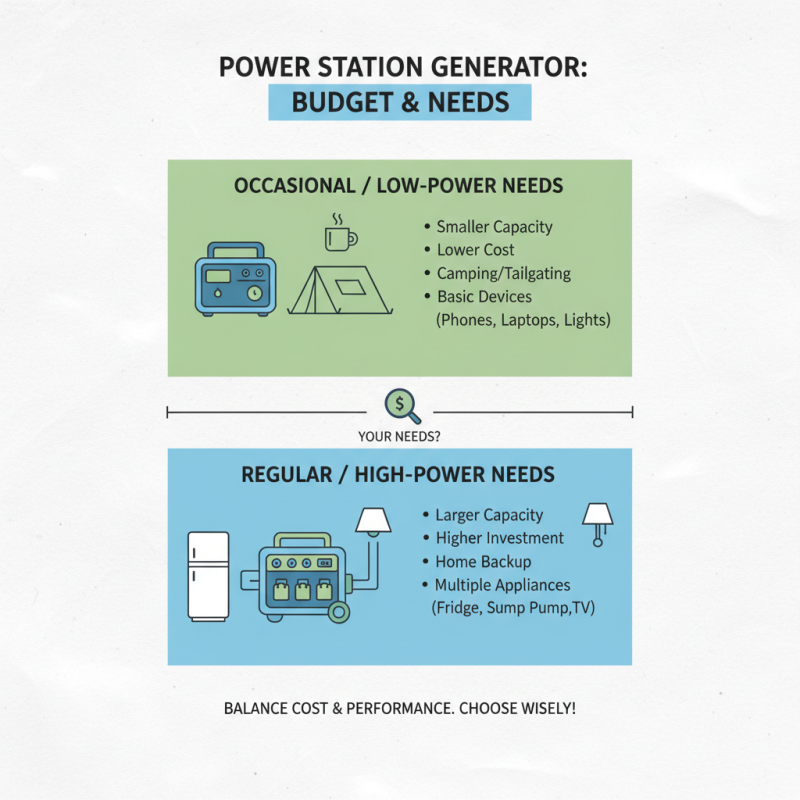
When it comes to choosing the right power station generator, budgeting plays a crucial role in balancing cost and performance. It is essential to evaluate your specific needs and the intended use of the generator. For instance, if you plan to use it for occasional camping trips, a smaller, less costly model may suffice. On the other hand, if you're looking for a generator to support home appliances during outages, investing in a more robust and higher-capacity generator would be advisable.
In the budgeting process, consider not only the initial purchase price but also the long-term costs associated with fuel, maintenance, and potential upgrades. Look for generators that offer a good balance between affordability and functionality. It's wise to break down your needs into primary requirements and additional features that would enhance usability. By prioritizing these factors, you can identify a generator that not only fits within your budget but also meets your performance expectations, ensuring you make a sound investment for your energy needs.