7 Tips for Choosing a Backup Generator for Home

A power outage can turn ordinary routines into urgent decisions. The refrigerator warms, a sump pump stops, and a phone battery slips toward empty. Choosing a back up generator for home is not just a matter of buying the largest unit you can afford. The right choice depends on which circuits matter, how long outages usually last, and where equipment can operate safely.

Electrical educator Mike Holt is a respected source on electrical safety. The line below is an editorial takeaway, not a verbatim quotation: “Plan the power you need, and treat safe installation as part of the generator.” That distinction matters. A generator’s advertised wattage may not match the demands of a well pump or an air conditioner starting up. And a transfer switch is not an optional detail to overlook. Have a qualified professional assess your home’s electrical setup and applicable local requirements.

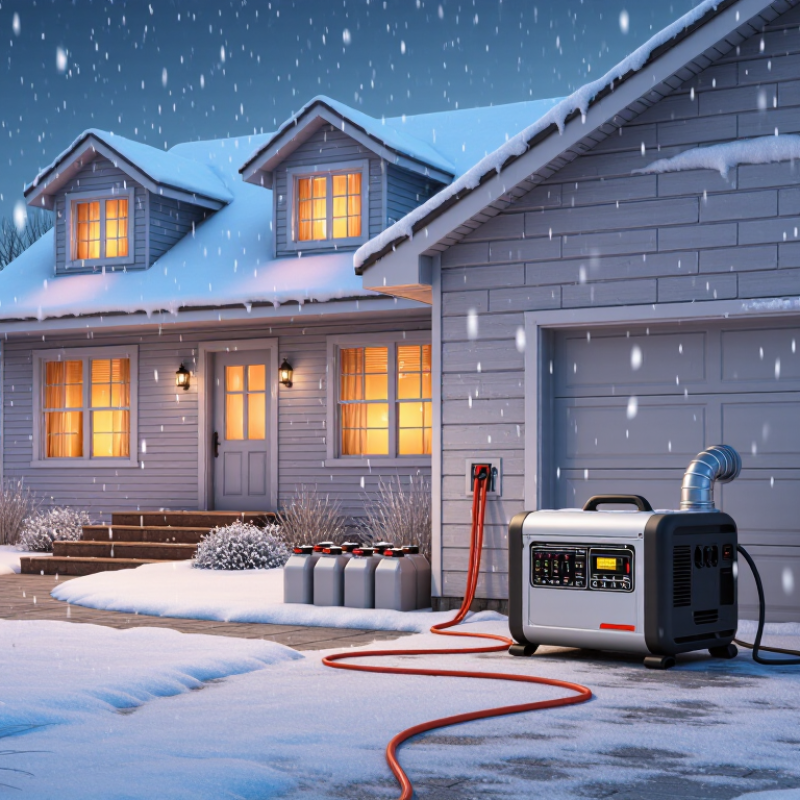
This guide’s seven tips will help you compare fuel types, capacity, runtime, noise, and maintenance. Picture a winter evening: the furnace needs power, the garage is closed, and snow is collecting outside. Placement and ventilation matter as much as convenience. So does fuel storage. A smaller generator may cover essential circuits well, while whole-home coverage can require more capacity and a larger budget.

Some choices are less tidy than product pages suggest. Outage patterns vary, fuel can be inconvenient, and maintenance takes effort. Use the tips ahead to weigh those trade-offs, ask sharper questions, and choose a backup plan suited to your household—not an idealized one.
7 Tips for Choosing a Backup Generator for Home

Assess Your Home’s Essential Power Requirements

A generator can only support the essentials you identify. Walk through your home during an ordinary evening and note what must keep working during an outage. For many households, that means the refrigerator, a few lights, phone chargers, and a heating or cooling system. Your list may be different. A basement sump pump, for example, could matter more than a television.

Check each item’s wattage on its label or in its manual. Add the running watts, then account for appliances that need extra power when their motors start. Refrigerators and pumps can briefly draw much more than they use once running. Leave some capacity in your estimate; calculating too tightly is an easy mistake. If the numbers are unclear, ask a qualified electrician to review them.

Think in practical terms. Would you power the whole house, or move between essential circuits? Could you pause laundry and cooking to keep the load manageable? Write down the appliances you would actually run at the same time. Then compare that realistic demand with a generator’s continuous and starting watt ratings, not just its largest advertised figure. Your estimate won’t be perfect. It should still be honest.

Assess Your Home’s Essential Power Requirements

Estimate both running and startup wattage before choosing a backup generator. Add the running watts of the appliances you need simultaneously, then allow extra capacity for the highest startup surge.

Key takeaway: These representative household loads require approximately 2,080 running watts when used together. The refrigerator, sump pump, and furnace blower may briefly require higher startup power, so a generator rated above the combined running load with sufficient surge capacity is recommended.

Compare Generator Types and Fuel Options

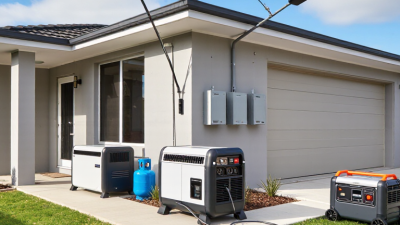
Choosing a home generator starts with the loads you truly need, not every appliance in the house. A portable generator costs less and can serve selected circuits through a proper transfer switch installed by a licensed electrician. It requires manual setup, safe outdoor placement, and regular refueling. A standby generator starts automatically during an outage. It can power more circuits, but installation is permanent and maintenance is less forgiving. Inverter generators run quietly and produce stable electricity for sensitive electronics. Their output may be limited, so check starting watts for refrigerators, pumps, and heating equipment.

Fuel changes how dependable each type becomes. Gasoline is easy to find, yet it stores poorly and can degrade within months. Propane stores longer and burns cleanly, but cold weather can reduce pressure. Natural gas offers continuous supply where service remains available; a severe storm may interrupt it. Diesel suits larger systems and handles long runtimes, though noise and fuel storage deserve attention. Dual-fuel models add flexibility. They also add another operating decision. Keep fuel outdoors, follow local fire rules, and never run an engine in a garage or near doors and windows.

Before buying, calculate running watts and startup surges with an electrician. A fuel gauge, weatherproof cover, battery charger, and exercise schedule matter more than flashy features. Test the unit under load before storm season. It is easy to underestimate maintenance; that mistake becomes expensive during a blackout. No option is perfect.

Choose the Right Capacity and Power Output

1

Match capacity to essential loads, not your entire home.

List your refrigerator, lights, medical equipment, internet router, sump pump, and heating system. Add their running watts together, then include the highest starting watt demand. Motors may briefly require two to three times more power. A 5,000-watt running load might need 8,000 watts during startup. Check each appliance label, because estimates can mislead.

2

Choose the correct power output and voltage.

A generator with enough total wattage can still struggle if several motors start together. Consider a model with clean, stable output for computers and sensitive electronics.

I once underestimated a well pump’s starting demand; the generator sounded strained and the lights flickered. That mistake changed my planning method.

Leave roughly 20 percent spare capacity for cold weather, aging appliances, or an unexpected load.

3

Separate continuous and occasional loads.

You may run a refrigerator continuously, but use a microwave briefly. Calculate both situations. Test the planned setup before an outage, preferably with an electrician checking the transfer equipment and circuit limits.

Safety: Never connect a portable generator directly to a wall outlet. Follow local electrical rules, keep the unit outdoors, and maintain clear distance from doors and windows.

Fuel availability also affects practical capacity. A powerful generator is less useful if it cannot run safely for the required hours.

Plan for Safe Placement, Installation, and Connection

Choose a safe outdoor location before buying a generator. Keep it well away from doors, windows, vents, and attached garages, following the clearance distances in the manufacturer’s manual and local fire guidance. Never run a fuel-powered generator indoors, even with doors open. Carbon monoxide has no color or smell. A working carbon monoxide alarm adds protection, but it does not make an unsafe location safe.

Plan the installation with a licensed electrician. A transfer switch can help connect selected household circuits while preventing dangerous backfeed into utility lines. Do not plug a generator into a wall outlet. That shortcut can injure utility workers and damage equipment. It may seem convenient. It isn’t. Ask the electrician to check your panel capacity, grounding requirements, and the generator’s output before installation. Details vary by model and home, so avoid relying on a neighbor’s setup as a template.

Think about weather and access, too. The unit should sit on a stable, dry surface, with exhaust directed away from the house and neighbors. Keep fuel stored and handled according to the manual, away from heat and ignition sources. Leave space for maintenance, and make sure the path stays clear after rain or snow. I’d also test the planned setup with an electrician before an outage; a small oversight is easier to fix on a calm afternoon.

Evaluate Costs, Maintenance, and Operating Needs

A backup generator’s purchase price is only the opening cost. Budget for installation, transfer equipment, fuel storage, routine service, and eventual replacement. The U.S. Energy Information Administration reports that the average U.S. household used about 10,500 kilowatt-hours of electricity in 2022. That annual average is a useful reference, but it does not reveal your home’s peak demand during an outage. List essential loads instead: a refrigerator, furnace controls, sump pump, lights, and medical equipment. Check each appliance’s running and startup wattage; pumps and compressors can briefly need much more power. A little arithmetic now can prevent buying too small—or paying for capacity you rarely use.

Operating costs depend on fuel, load, and outage duration. Compare local fuel prices and estimate how many hours the unit may run during a typical disruption. The EIA’s residential electricity data provides useful context, but generator fuel consumption varies by model and output, so use the manufacturer’s published figures for your own estimate. Keep the calculation honest. A generator serving a few circuits may cost less to operate than one powering the whole house.

Maintenance deserves its own line in the budget. Follow the service schedule for oil, filters, batteries, and exercise runs; skipped checks can leave a unit unreliable when needed. Ask a qualified installer to assess placement, ventilation, electrical connections, and local requirements. Never operate a fuel-burning generator indoors or in an attached garage. There is no perfect forecast: outages, fuel prices, and household needs change. Revisit your load list each year, especially after adding a well pump or larger heating equipment.

7 Tips for Choosing a Backup Generator for Home - Evaluate Costs, Maintenance, and Operating Needs

Compare generator options by the loads you need to power, installation requirements, fuel availability, and ongoing care. Cost figures below are broad U.S. estimates; local prices and project details vary.

Tip What to Evaluate Practical Guidance Typical Cost or Operating Consideration
1. List essential loads first Which appliances and systems must run during an outage, such as a refrigerator, lighting, medical equipment, a sump pump, or heating controls. Check each device’s running watts and starting watts. Motors and compressors may briefly require more power when they start. Add the loads that may operate at the same time. A smaller generator may cost less, but running too many loads can overload it. A licensed electrician can help assess whole-home or selected-circuit needs.
2. Match generator type to your needs Portable units generally require manual setup; permanently installed standby units can start automatically when paired with compatible transfer equipment. Portable generators may suit occasional, limited backup. Standby systems are more convenient for frequent outages or automatic operation, but need suitable outdoor installation and electrical connections. Portable units commonly cost several hundred to a few thousand dollars before accessories. Installed standby systems often total several thousand to well over $10,000, depending on size and site work.
3. Compare total installed cost Generator, transfer switch, electrical work, permits, fuel connection or storage, site preparation, delivery, and any required upgrades. Request itemized quotes based on the same load assumptions. Ask whether the quoted price includes permits, commissioning, and transfer equipment. Installation costs vary substantially by location, electrical panel, fuel access, and local code requirements. Confirm local permit and inspection rules before purchase.
4. Choose a practical fuel supply Available fuel, expected outage duration, storage limits, delivery access, and how the generator’s fuel consumption changes with load. Portable models commonly use gasoline; other models may use propane or natural gas. Check the unit’s rated consumption and runtime at the loads you expect to use. Fuel prices and consumption differ by region, generator, and load. Gasoline requires approved storage and safe handling; a natural-gas connection depends on adequate supply and installation approval.
5. Account for maintenance Oil and filter changes, air-filter care, spark plugs, battery checks, fuel condition, and the manufacturer’s service schedule. Follow the owner’s manual for service intervals, including time-based requirements and operating-hour limits. Keep a maintenance log and test the system as directed. Routine costs depend on model, usage, parts, and whether service is performed professionally. Standby systems may also require scheduled inspections and battery replacement over time.
6. Check safe placement and installation Exhaust direction, clearances, weather exposure, noise, electrical connection, and local fire, building, and electrical codes. Never operate a portable generator indoors, in a garage, or near doors, windows, or vents. Place it outdoors well away from openings, following the manual and local guidance. Use a properly installed transfer switch rather than backfeeding a home outlet. Site constraints can add installation work. Carbon monoxide is odorless and can be deadly; use working CO alarms in the home and follow official safety instructions.
7. Consider noise, runtime, and warranty Published sound ratings, tank or fuel supply, rated runtime at a stated load, warranty terms, and access to qualified service. Compare noise ratings measured under similar conditions; distance and barriers affect perceived sound. Review warranty coverage, exclusions, service requirements, and parts availability before buying. A longer runtime may reduce refueling interruptions but does not guarantee a fixed number of hours under every load. Budget for fuel and scheduled maintenance throughout ownership.

Note: Cost ranges are indicative rather than quotes. Generator capacity, fuel use, runtime, noise, and maintenance needs are model-specific; verify current specifications and local requirements before making a purchase.