How to Choose the Best Power Station Generator for Your Needs?
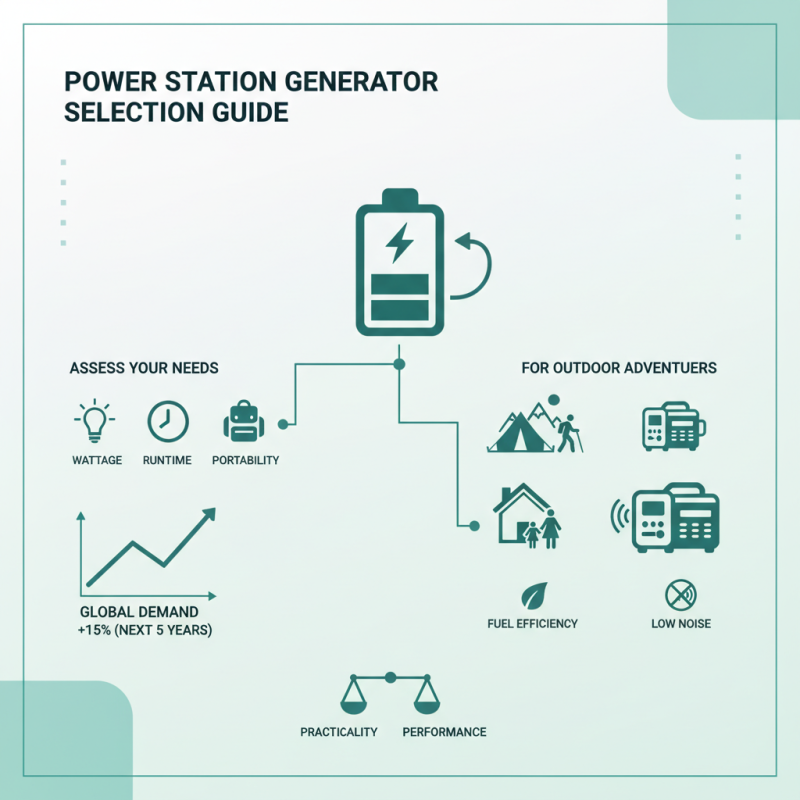
Choosing the best power station generator can be challenging. With many options available, it is crucial to understand your specific needs. The demand for reliable power sources has increased, especially after recent natural disasters. According to a report by the International Energy Agency, global demand for portable power solutions is expected to rise by 15% in the next five years.
John Smith, an expert in the power generation field, noted, "Selecting the right generator is key for safety and efficiency." He emphasizes the need to assess factors like wattage, runtime, and portability. Many users overlook these details, leading to inadequate power supply in emergencies or during travels. It's essential to balance practicality and performance when making a choice.
Different environments may require different types of power station generators. For instance, outdoor enthusiasts might need lightweight models. On the other hand, homeowners may prioritize fuel efficiency and noise level. Failure to identify these specifics can lead to dissatisfaction after purchase. Evaluating your power needs carefully will help in selecting an appropriate unit.
Understanding Your Power Needs and Usage Scenarios
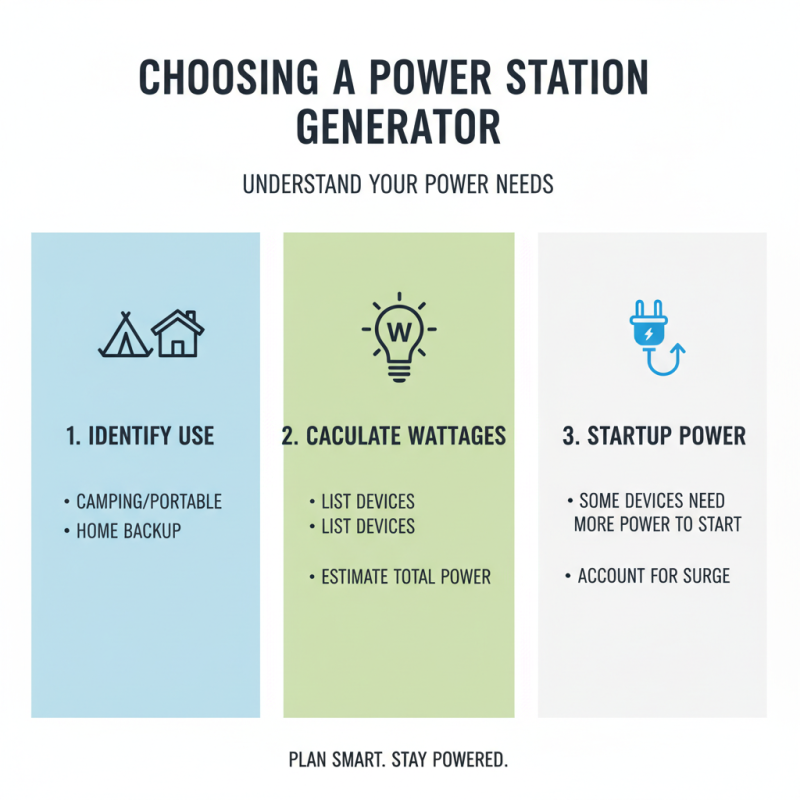
When choosing a power station generator, understanding your power needs is vital. Think about what you'll power. Are you going camping? Or do you need backup for home use? Calculating wattage is essential. Create a list of devices you'll use. This helps in estimating the total power required. Remember, some devices require more power to start.
Tip: Don't forget about surge wattage. Many appliances draw more power when starting than running. Make sure your generator can handle this extra power.
Consider how long you'll need power. If you only need it a few hours, a small generator might suffice. But for long-term outages or extended trips, a larger unit is ideal. Evaluate your usage scenarios carefully, as buying too big can lead to waste. You might also reconsider if additional features, like solar charging or mobility, are necessary.
Tip: Match your generator to your lifestyle. If you're often traveling, lightweight models can be easier to transport. If home backup is more critical, focus on higher capacity units. Reflect on your preferences and habits to make the right choice.
Types of Power Station Generators Available in the Market
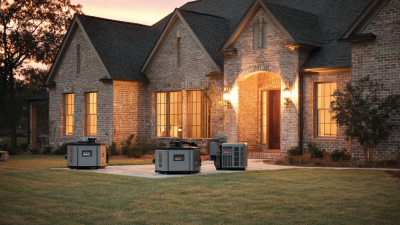
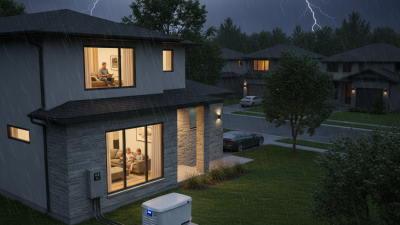
When choosing a power station generator, understanding the types available is crucial. There are several categories to consider: portable generators, inverter generators, and backup generators. Portable generators are versatile and easy to transport. They are great for camping or small power outages. Inverter generators are quieter, more fuel-efficient, and provide clean power which is ideal for sensitive electronics. Backup generators are typically installed permanently and used for home power during outages. Each type serves distinct needs, making careful consideration essential.
Tips: Always assess your power requirements. Calculate the wattage you need for essential appliances. This step ensures you choose the right generator size. A generator that's too small won't meet your needs. A larger one might waste fuel.
Additionally, remember to look at fuel type. Generators can run on gasoline, propane, or diesel. Gasoline generators are convenient, but tend to be louder. Propane is cleaner and quieter, while diesel provides longer run times. Each fuel has pros and cons, all worth considering. This decision can shape your overall experience with the generator.
Key Features to Look for in a Power Station Generator
When selecting a power station generator, consider its key features carefully. Look for capacity, which determines how much energy it can store. A higher capacity is essential for extended use. Portability is also important if you plan to move it often. Weight and design play a role in this aspect.
Check the output options. Some generators provide multiple outlets. This versatility can be helpful for various devices. Consider the inverter type as well. Pure sine wave inverters are better for sensitive electronics. It’s crucial for protecting your valuable gadgets.
Tip: Always assess your energy needs before making a purchase. Make a list of devices you plan to power. Calculate their wattage to understand the capacity you require.
Don’t overlook charging options. Many power stations offer solar charging. This feature provides an eco-friendly way to stay powered. However, solar panels can be pricey, so weigh your options.
Tip: Reading user reviews can help. Real-world experiences often reveal insights you won’t find in specs. Check for durability and performance in various conditions.
Comparing Power Output and Portability of Different Models
When comparing power output and portability, many factors come into play. You need to consider the wattage that each generator can provide. Higher wattage means more devices can be powered simultaneously. Think about your typical usage. Will you need it for camping, home backup, or construction? Each scenario has different requirements.
Portability is another important aspect. Look at the weight and size of the models. Some generators are compact, making them easy to transport. Others are bulkier but may offer higher capacity.
Take note of handle types and wheel options. They can make a big difference when moving it around.
However, remember that a more powerful generator might be heavier. This is where trade-offs come into play. Do you need maximum power for a short period, or is long-lasting light more crucial? Finding the right balance between these elements can make all the difference. Consider your lifestyle and needs carefully.
Budget Considerations and Long-term Cost Analysis
When choosing a power station generator, budget considerations play a crucial role. An initial low-cost option may seem appealing, but additional costs can arise. These may include maintenance, fuel, and replacement parts. Ensure you factor in these long-term expenses before making a decision.
Tips: Always check the energy output compared to your needs. A generator that’s too small may lead to overworking it. This results in higher wear and tear costs. Consider how often you'll use it. If it’s a one-time event, renting might be more economical.
Efficiency matters as well. High-efficiency models can save money on fuel over time. Don't overlook the features that matter to you. Online reviews often highlight reliability and user experience. Just be wary of too many features you may not need; they can inflate the price.