How to Choose the Best Power Systems for Your Needs?
Choosing the right power systems for your needs can be challenging. According to Dr. Emily Carter, a leading expert in renewable energy systems, “The evolution of power systems is crucial for efficiency and sustainability.” This highlights the importance of understanding your specific requirements.
Power systems vary widely in their applications and technologies. Your choice may depend on factors like energy source, efficiency, and cost. For example, a commercial building may need a robust system, while a small home could opt for simpler solutions. It’s essential to evaluate these aspects carefully.
However, many users overlook key details, leading to inefficiencies. Are you considering future expansion? What about maintenance costs? Reflecting on these questions can prevent common pitfalls. A well-chosen power system not only meets current needs but also adapts to change.
Understanding Different Types of Power Systems: An Overview of Options Available
When selecting a power system, understanding the various types available is crucial. Power systems can be categorized into several types, including grid-tied, off-grid, and hybrid systems. Each type offers distinct benefits and limitations. A recent report from the International Energy Agency highlights that grid-tied systems account for around 80% of installations. These systems are reliable and provide energy during peak demand, but they might not be suitable for areas with frequent outages.
Off-grid systems are gaining traction, especially in remote areas. They offer energy independence but often rely on energy storage solutions. According to a report by the U.S. Department of Energy, off-grid solar installations increased by over 30% in the last year. However, challenges such as higher upfront costs and maintenance requirements should be considered. Hybrid systems combine both approaches, allowing users to harness the benefits of grid and off-grid setups.
Evaluating your specific needs is vital in this process. Local regulations, budget, and personal energy consumption play significant roles in decision-making. It’s important to conduct thorough research. Relying solely on one type may limit future flexibility. Keeping recent advancements in technology in mind can help avoid potential pitfalls.
Key Factors in Determining Power System Requirements for Your Application
Choosing the right power system is essential for various applications. The first step is to evaluate your specific energy requirements. A comprehensive analysis of load demand will provide a baseline for your power needs. According to the U.S. Department of Energy, nearly 20% of industrial energy use is wasted. Understanding these metrics can help in selecting an efficient system.
Another critical factor is the type of energy source. Renewable sources like wind and solar are gaining traction. However, reliance on grid power remains common. A report from the International Energy Agency highlights that renewables could supply up to 70% of global power by 2040. This trend reflects a growing shift toward sustainable practices. When assessing options, consider backup power systems for reliability.
Lastly, budget constraints should be clearly defined. Initial costs often overshadow long-term savings. An analysis from the National Renewable Energy Laboratory suggests that investing in more efficient systems reduces operational costs by up to 30%. While it may seem tempting to choose the cheapest option, the holistic view is essential. Each decision must align with your broader energy goals.
Evaluating Power System Efficiency: Metrics and Industry Standards to Consider
When evaluating power system efficiency, it's essential to look at specific metrics. One key metric is the overall efficiency percentage. This number indicates how effectively a system converts input power into usable energy. High efficiency reduces energy waste, cutting operational costs and environmental impact.
Another critical aspect is the
power factor.
This measurement reflects how effectively the electrical power is being converted into useful work output. A low power factor suggests wasted energy, while a high factor indicates efficient use. Industry standards often recommend maintaining a power factor above 0.9.
Moreover, understanding thermal performance is vital. Systems should manage heat effectively to prevent losses. Poor heat management can lead to equipment failure and increased repair costs. Regular assessments of these metrics are essential. They reveal areas for improvement and drive the selection of the best systems for specific needs. Balancing efficiency with initial investment costs can lead to difficult decisions, reflecting the ongoing challenge in optimizing power systems.
Cost Analysis of Power Systems: Balancing Initial Investment and Long-Term Savings
When choosing a power system, understanding the cost analysis is crucial. It's not just about the initial investment but also about long-term savings. According to the U.S. Department of Energy, energy efficiency upgrades can save up to 30% on energy bills over time. This means selecting a system that offers the right balance between upfront costs and future savings.
Evaluate the lifespan of different power systems. Systems that may be cheaper initially could require more maintenance or have higher operational costs down the line. A report by the International Renewable Energy Agency indicates that solar power installations can provide savings for over 25 years, making them a reliable option for many. When considering costs, think about the total lifecycle, not just the purchase price.
Tip: Research various power systems thoroughly. Look for independent studies and expert reviews. Doing so can reveal hidden costs or benefits. Consider engaging a consultant to help assess your unique needs. Remember, the best power system should align with both your budget and sustainability goals. Balancing these aspects ensures that your investment pays off in the long run.
Data Analysis of Power Systems: Balancing Cost and Savings
| Power System Type |
Initial Investment ($) |
Annual Operating Cost ($) |
Expected Lifespan (Years) |
Estimated Savings Over Lifespan ($) |
| Solar Power System |
15,000 |
1,200 |
25 |
30,000 |
| Wind Power System |
50,000 |
2,500 |
20 |
40,000 |
| Natural Gas Generator |
10,000 |
1,500 |
15 |
15,000 |
| Diesel Generator |
8,000 |
1,800 |
10 |
10,000 |
| Battery Storage System |
20,000 |
900 |
10 |
12,000 |
Future Trends in Power Systems: Innovations Shaping Industry Standards and Practices
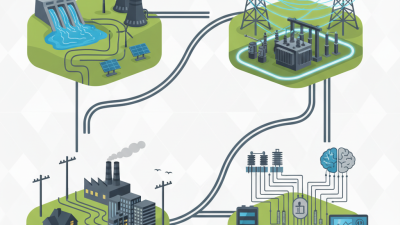
The power systems industry is undergoing significant changes. Innovations are leading to more efficient and sustainable solutions. Smart grids are a primary focus. These systems use digital technology to monitor energy flow. They enhance reliability and optimize energy distribution. This is a crucial step toward greener energy solutions.
Another trend is the integration of renewable energy sources. Solar and wind power are increasingly common. However, challenges arise in storage and consistency. Harnessing these energy sources effectively remains a work in progress. Energy management systems are becoming essential. They help balance supply and demand, but they are still evolving.
Battery technology is also making strides. New chemistries promise longer life and faster charging. This is vital for electric vehicles and grid applications. Yet, not all innovations reach market readiness. Testing and regulations can slow down implementation. Stakeholders must remain adaptable in this ever-changing landscape. Embracing these trends can pave the way for a more robust and flexible power system.