Essential Home Generator Maintenance Tips Every Owner Should Know
Maintaining a home generator is essential for ensuring its reliability and longevity. According to John Davis, a leading expert in home generator maintenance, "Proper care and regular maintenance can make all the difference in how well your generator performs when you need it most." As homeowners increasingly rely on generators for backup power during outages, understanding the fundamental maintenance practices can help prevent unexpected failures and costly repairs.
In this article, we will explore key home generator maintenance tips that every owner should know. Regular checks, including oil changes, air filter replacements, and battery inspections, are crucial components that can significantly enhance your generator's efficiency and operational lifespan. By adhering to these guidelines, you can ensure that your generator is ready to deliver reliable power whenever needed.
With a proactive maintenance approach, you can minimize downtime and be prepared for any emergency situation. Let’s delve into the essential practices that will keep your home generator in top shape, safeguarding your home’s power needs for years to come.
Essential Home Generator Maintenance Tips Every Owner Should Know
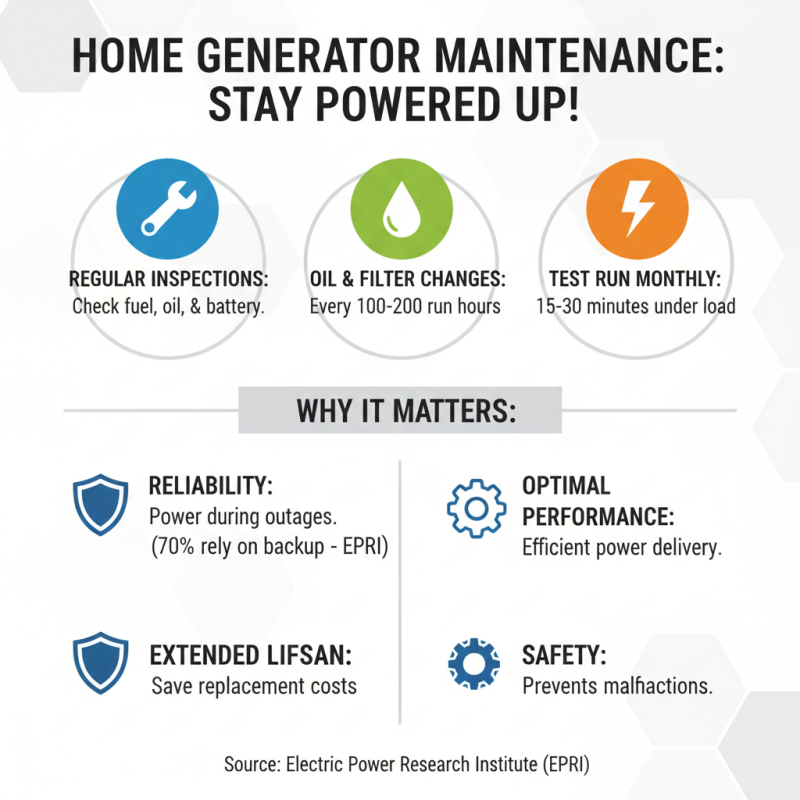
Maintaining a home generator is crucial for ensuring its reliability, especially during power outages. According to the Electric Power Research Institute (EPRI), nearly 70% of homeowners rely on backup generators during emergencies, making proper maintenance essential. A well-maintained generator not only maximizes performance but also extends its lifespan, which can save owners significant replacement costs.
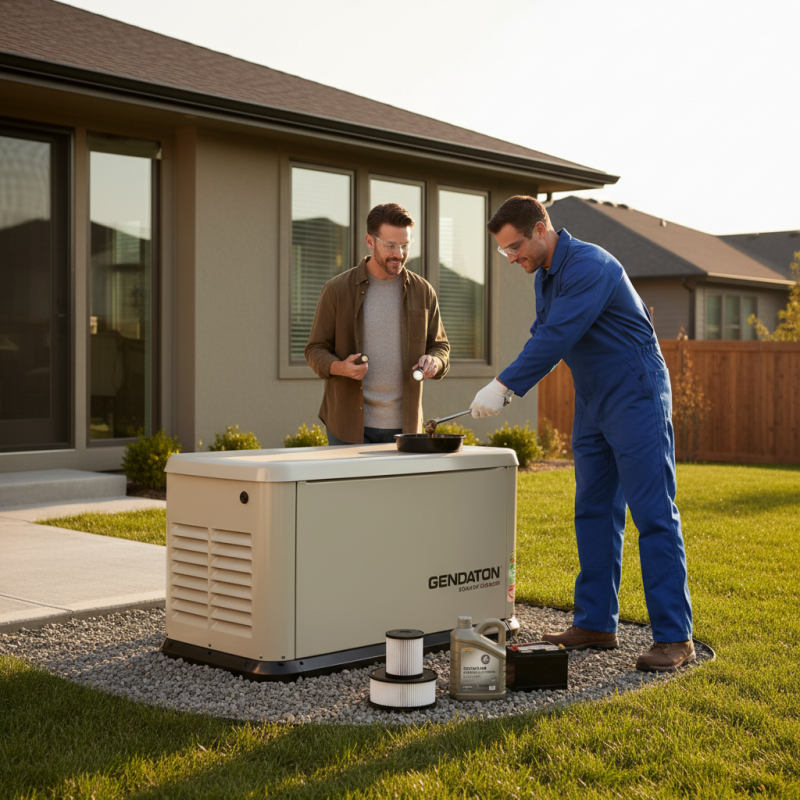
Regular maintenance involves several key steps. First, it’s vital to check and change the oil as recommended by the manufacturer, typically every 50-100 hours of operation or annually. This prevents engine wear and ensures optimal performance. Additionally, keeping the fuel system clean is essential - using stabilizers can prevent fuel degradation, especially for generators that sit idle for extended periods.
Tips: Don’t overlook the importance of inspecting the battery and connections. Corrosion or loose terminals can hinder performance. Furthermore, running the generator under load monthly for 30 minutes can help keep the engine lubricated and components in good working order. Following these maintenance tips can significantly increase the reliability and efficiency of your home generator, providing peace of mind when you need it most.
Understanding the Importance of Regular Generator Maintenance
Regular maintenance of home generators is crucial for ensuring their efficiency and longevity. According to the U.S. Department of Energy, a properly maintained generator can operate at optimal performance when needed most, especially during power outages. A well-kept generator can significantly reduce the risk of failure, which can be vital in emergencies. Research shows that approximately 70% of generator breakdowns stem from inadequate maintenance, highlighting the necessity of regular check-ups and servicing.
One key aspect of regular generator maintenance is the attention to fuel systems. The National Fire Protection Association suggests that stale fuel can lead to operational issues, as fuel can degrade over time and cause clogs in the system. Additionally, regular oil changes and filter replacements, typically recommended every 100 hours of operation or annually, can prevent extensive engine wear and tear. Ignoring these maintenance needs can lead to costly repairs or total equipment failure, emphasizing that regular maintenance is not just a good practice but a necessity for any generator owner.
Key Components to Inspect During Routine Generator Checks
When it comes to maintaining your home generator, conducting routine checks on key components is essential to ensure reliable performance, especially during emergencies. One vital area to inspect is the fuel system. Regularly check the fuel filter and lines for leaks or blockages, as these can affect the generator's efficiency and overall functioning. It’s also important to keep the fuel tank at least half full to prevent any sediment from clogging the fuel lines.
Another critical component to monitor is the battery. A generator’s battery can deteriorate over time, leading to starting issues. Check the battery terminals for corrosion and ensure that the connections are tight. Additionally, it’s advisable to test the battery's charge regularly; a weak battery may not hold enough power to start the generator when needed.
Finally, don’t overlook the oil level and quality. Change the oil according to the manufacturer’s recommendations, and always check the oil level during routine maintenance checks. Clean oil keeps your generator running smoothly and prevents engine wear. These simple tips can go a long way in extending the life of your generator and ensuring it operates effectively when required.
Essential Home Generator Maintenance Tips
This bar chart illustrates the recommended frequency of maintenance for essential components of home generators to ensure optimal performance.
Step-by-Step Guide to Preparing Your Generator for Seasonal Use
When preparing your home generator for seasonal use, following a structured maintenance regimen is crucial to ensure optimal performance. According to the National Electrical Manufacturers Association (NEMA), proper maintenance can extend a generator's lifespan by up to 20%, making it essential for long-term homeowners.
Start by conducting a thorough inspection of the generator components, checking for any signs of wear or damage. Ensure that all connections are secure and that there are no leaks in the fuel system.
Next, it’s important to replace the oil and oil filter regularly. The American Society of Mechanical Engineers (ASME) recommends changing the oil every 50-100 hours of operation to maintain engine efficiency. Additionally, examine and clean the air filter to prevent debris from affecting power output.
Fuel stabilization is another critical step; with over 60% of generators in the US experiencing fuel degradation issues, it's advisable to use a fuel stabilizer and run the generator for about 30 minutes each month during off-seasons to keep the fuel fresh.
Following these steps ensures that your generator is not just ready for use but operates at peak efficiency when needed most.
Common Issues to Look Out for and How to Troubleshoot Them
When it comes to ensuring your home generator operates efficiently, being aware of common issues is key. One of the most frequent problems is fuel contamination. Over time, fuel can collect moisture and debris, leading to engine performance issues. To minimize this risk, store your generator in a dry place and use fuel stabilizers to keep the fuel fresh. Regularly inspect the fuel system for leaks and replace any clogged filters.
Another issue to watch for is battery maintenance. A dead or corroded battery can prevent your generator from starting when you need it most. To troubleshoot this, regularly check the battery terminals for corrosion and clean them as needed. It’s advisable to test the battery's charge periodically and replace it every few years or as recommended in the manufacturer’s guidelines.
Moreover, pay attention to the oil levels and quality, as low or degraded oil can cause significant engine damage. It's essential to change the oil according to your generator's maintenance schedule. Tip: Use a dipstick to regularly check oil levels and perform oil changes in a clean environment to avoid introducing contaminants. By keeping an eye on these common issues and following straightforward maintenance tips, you can ensure your generator remains reliable when you need it the most.
Conclusion
Proper home generator maintenance is crucial for ensuring optimal performance and longevity of your generator. Regular maintenance activities help identify potential issues before they escalate, ensuring that your home generator is ready for use when needed. Key components, such as the oil level, air filter, and battery condition, should be inspected during routine checks to prevent operational failures.
When preparing your generator for seasonal use, follow a step-by-step guide that includes cleaning, changing the oil, and checking fuel levels. Additionally, be aware of common issues such as starting problems or unusual noises, and learn how to troubleshoot them effectively. Finally, storing your generator properly when not in use will protect it from environmental damage and ensure it remains in excellent working condition. By following these essential maintenance tips, you can enhance the reliability and efficiency of your home generator.