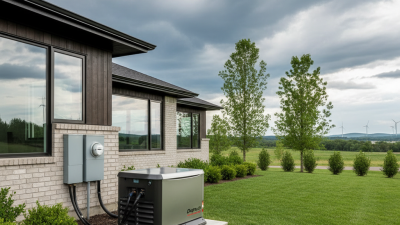
7 Essential Home Generator Maintenance Tips for Reliable Power Supply
In an age where power outages can disrupt daily life, ensuring the reliability of your home generator is crucial. According to John Smith, a seasoned expert in home generator maintenance with over 15 years of experience in the field, "Regular upkeep can significantly extend the life of your generator and guarantee a steady power supply when it’s needed most." This statement underscores the importance of proactive care and routine checks.
Home generator maintenance involves several essential practices that not only enhance performance but also ensure safety. Many homeowners overlook the importance of regular servicing, unaware that neglecting maintenance could lead to costly repairs or, worse, a failure during a critical moment. From checking fuel levels to inspecting electrical connections, each step plays a vital role in maintaining optimal functionality. By prioritizing these maintenance tips, homeowners can enjoy peace of mind knowing their generators are ready to perform when the electricity goes down.
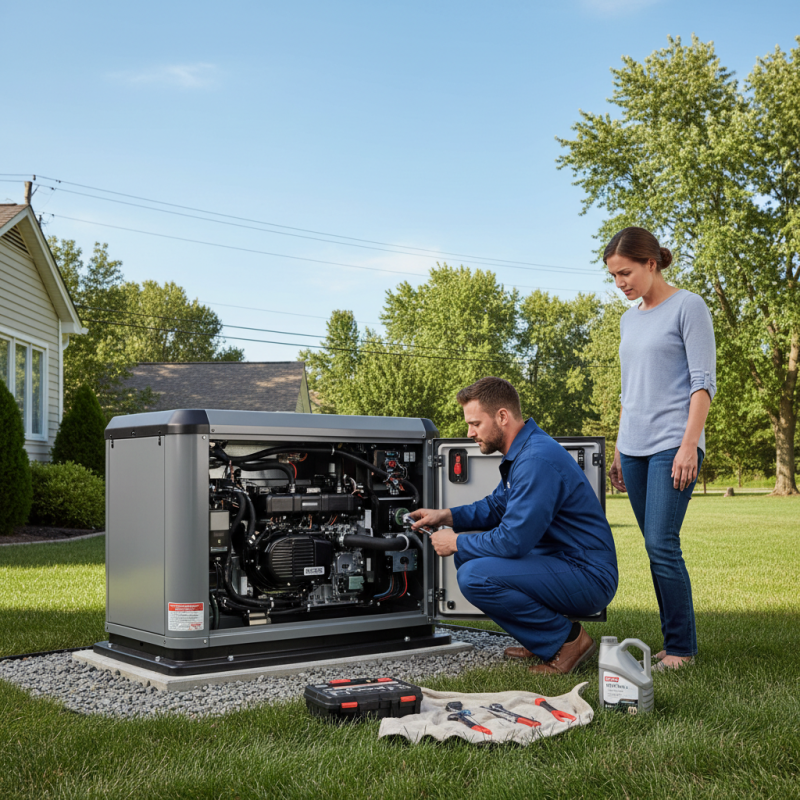
Understanding the Importance of Regular Generator Maintenance
Regular maintenance of home generators is crucial for ensuring a reliable power supply, particularly in emergencies. According to a study by the National Fire Protection Association (NFPA), approximately 60% of generator-related incidents stem from improper maintenance or installation. This highlights the importance of frequent checks and upkeep to prevent failures and safety hazards. Regular maintenance tasks, such as oil changes, air filter replacements, and battery inspections, can significantly extend the life of the generator and improve its efficiency.
In a report by the American Society of Mechanical Engineers (ASME), it was found that proactive maintenance can reduce generator downtime by up to 50%. This is not only vital for uninterrupted home power supply but can also enhance fuel efficiency, leading to cost savings over time. Furthermore, engaging in routine maintenance helps identify potential issues before they escalate, which can save homeowners substantial repair costs. Overall, understanding the importance of regular generator maintenance can empower homeowners to take control of their power systems, ensuring they operate reliably for years to come.
Key Components of a Home Generator to Inspect Regularly
Regular inspection of key components in your home generator is essential for ensuring a reliable power supply, especially during critical times. One of the first components to check is the battery, which provides the necessary power to start the generator. Corrosion on the battery terminals and the level of electrolyte fluid should be monitored closely. Additionally, making sure that the battery is fully charged and replacing it if it shows signs of aging is crucial to prevent unexpected failures.
Another vital component to inspect is the fuel system. This includes checking the fuel lines for any leaks and ensuring that the fuel itself is clean and free of impurities. Contaminated fuel can lead to operational issues and reduced efficiency. It's also important to look at the oil level and change the oil regularly to prevent engine wear. Lastly, regularly inspecting and cleaning the air filter enhances airflow and ensures optimal engine performance. Keeping these components in check will significantly increase the lifespan and reliability of your home generator.
Step-by-Step Guide to Cleaning Your Generator for Optimal Performance
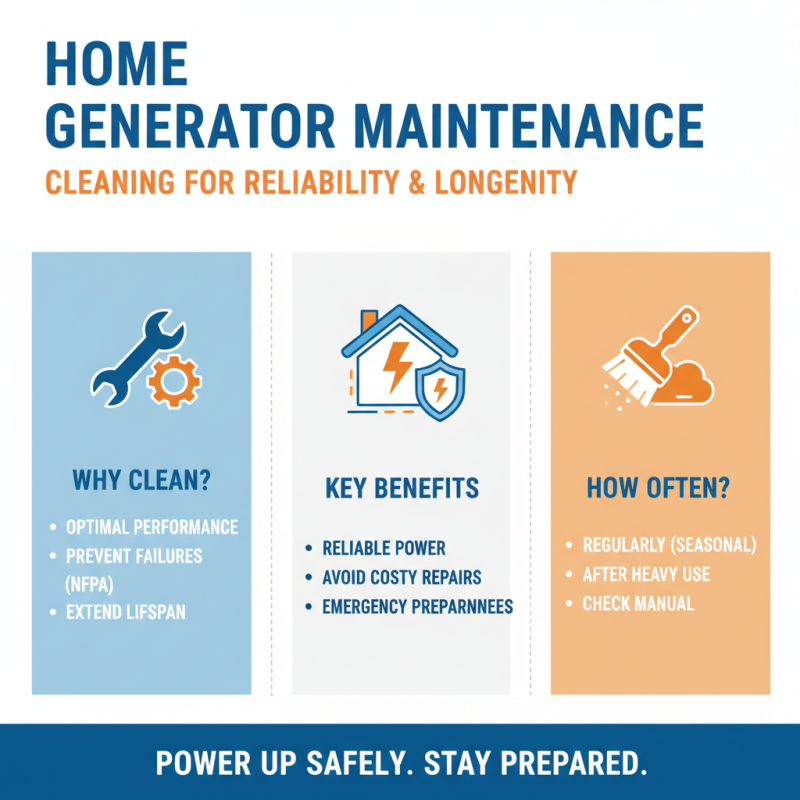
Cleaning your home generator is a crucial step for maintaining optimal performance and ensuring a reliable power supply, particularly in emergencies. According to the National Fire Protection Association (NFPA), improper maintenance can lead to generator failures, which can be catastrophic during power outages. Therefore, regularly cleaning your generator can extend its lifespan and prevent costly repairs.
Begin by disconnecting the generator from any electrical loads and allowing it to cool completely. Use a soft brush or a vacuum with a brush attachment to remove debris, dirt, and dust from the exterior and air intake. A clean air filter is essential for efficient operation—some reports indicate that a dirty air filter can reduce engine performance by up to 20%. Additionally, inspecting and cleaning the fuel system can prevent blockages that may affect performance. Use a non-corrosive fuel system cleaner to keep the fuel lines and carburetor free of residue, and check for any signs of leaks or wear.
Finally, ensure that all connections are tight and free of corrosion. This includes battery terminals and fuel connections, as any loose or corroded components can hamper performance and safety. Professionals suggest performing this cleaning routine at least once every three months, especially if the generator is used frequently. By following these cleaning protocols, you can ensure that your generator operates smoothly and efficiently when you need it most.
Best Practices for Fuel Management and Storage for Generators
Proper fuel management and storage are crucial for ensuring the reliability of your home generator during power outages or emergencies. First and foremost, always use the recommended fuel type for your generator to guarantee optimal performance.
Storing fuel properly is also essential; keep it in a cool, dry place away from direct sunlight and potential ignition sources. Using approved containers specifically designed for fuel storage can help prevent leaks and spills, thus enhancing safety.
Regularly checking the fuel's expiration date is vital as well. Gasoline can begin to degrade within a few months, leading to reduced efficiency and potential engine issues. To combat this, consider using fuel stabilizers, which can extend the shelf life of your fuel. When storing fuel for long periods, ensure that containers are tightly sealed to minimize evaporation and contamination. Additionally, always label your fuel containers with the date of purchase and the designated fuel type to maintain clarity and organization in your storage area. By following these best practices for fuel management and storage, you can ensure that your generator remains a reliable source of power when you need it the most.
Scheduling Professional Maintenance Checks for Long-Term Reliability
Scheduling regular professional maintenance checks for your home generator is crucial for ensuring
long-term reliability and optimal performance. According to the U.S. Department of Energy, regular maintenance
can reduce the likelihood of unexpected failures by up to 80%. During these professional check-ups, technicians can identify
issues that may not be apparent to a homeowner, such as fuel system problems, electrical connections, and emission control components.
This proactive approach helps in extending the lifespan of the generator and ensuring it operates efficiently during power outages.
Moreover, the National Fire Protection Association (NFPA) recommends that homeowners have their generators inspected
at least annually to prevent safety hazards and maintain compliance with local regulations. A well-maintained generator operates at higher efficiency levels,
reducing fuel consumption and associated costs. In fact, a study conducted by Generator Suppliers Association states that
systems receiving regular professional maintenance have a failure rate significantly lower compared to those that don't—showing a stark
90% reliability in systems that are regularly serviced. This level of reliability not only provides peace of mind but also
guarantees that your power supply remains uninterrupted when you need it most.