How to Choose the Right Power Generation Generator

Choosing the right power generation generator is not a simple matter of comparing rated kilowatts. The decision affects reliability, operating cost, noise, maintenance, and safety. A unit that looks affordable on paper may struggle under motor starting loads or extreme temperatures. It may also consume more fuel than expected during lighter demand.

Energy expert Vaclav Smil has written, “Energy is the only universal currency.” That idea is useful when evaluating a generator. Every specification has a practical cost. Extra capacity may improve resilience, but it can reduce efficiency when the generator runs far below its rated load. A smaller unit may save money, yet fail when pumps, compressors, or hospital equipment start together.

A careful selection begins with a real load profile. Record continuous demand, peak demand, starting current, and future expansion plans. Consider diesel, natural gas, or hybrid systems based on fuel access and local conditions. Check altitude, ambient temperature, enclosure design, emissions requirements, and service availability. A remote construction site needs different support than a data center with automatic transfer equipment.

Installation details matter. A generator beside a dusty road needs stronger filtration and more frequent inspections. A coastal facility may require corrosion protection. These details are easy to overlook. I have seen projects focus heavily on purchase price while underestimating cables, ventilation, fuel storage, and testing.

There is no perfect choice. A sound decision balances performance, lifecycle cost, and operational risk. Manufacturer data helps, but verified field experience matters too. Independent load-bank testing can reveal weaknesses before an outage does. This is where careful judgment, not marketing language, becomes essential.
How to Choose the Right Power Generation Generator

Assess Your Required Power Capacity and Electrical Load

How to Choose the Right Power Generation Generator

Assess Your Required Power Capacity and Electrical Load

Choosing a generator starts with an accurate load assessment, not a guess based on appliance labels. List every device that may operate during an outage, including lighting, pumps, refrigeration, heating, and control systems. Record each item’s running watts and starting watts.

Motors and compressors can demand two to seven times their normal power during startup. A refrigerator may seem small, yet its starting surge can trip an undersized generator. Add the running loads, then identify which equipment starts at the same time. Do not assume everything will run continuously.

Power factor also matters for commercial and industrial equipment. A generator rated only by kilowatts may not suit loads measured in kilovolt-amperes. Check voltage, frequency, and single-phase or three-phase requirements on each equipment nameplate. An electrical professional should verify these details before purchase or installation.

Leave a practical capacity margin, often around 20% to 30%, for future equipment and unexpected surges. Too much extra capacity can waste fuel and reduce efficiency at light loads. Too little capacity creates overheating, nuisance shutdowns, and unstable voltage.

Measure the real load when possible.

A temporary power meter can reveal patterns that paperwork misses. In my experience, estimated loads are often incomplete, especially when hidden heaters or backup pumps are overlooked. Recheck your list after a trial run. The first calculation may be wrong. That is useful information, not failure.

Choose the Generator Fuel Type and Engine Configuration

How to Choose the Right Power Generation Generator

Choose the Generator Fuel Type and Engine Configuration

Choosing a generator starts with the fuel supply, not the nameplate output. Diesel suits remote sites because it stores well and supports rapid load response. Natural gas can reduce local emissions when a reliable pipeline is available. Liquid fuel offers flexibility, but storage tanks need careful inspection and clean handling. Fuel quality matters. A contaminated tank can stop a healthy engine.

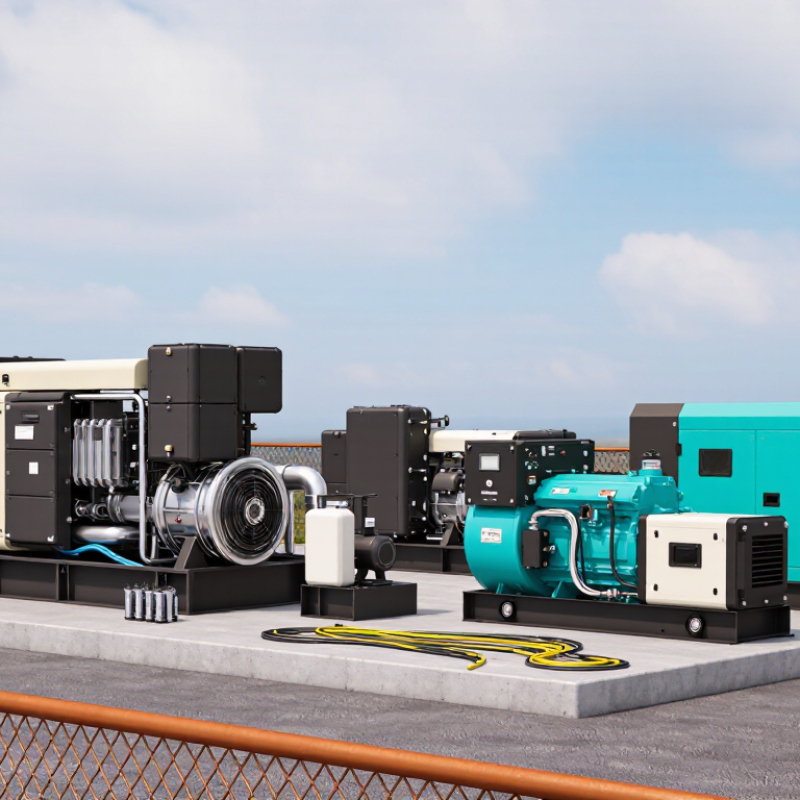
Engine configuration affects efficiency, maintenance access, and operating life. Inline engines are often compact and easier to service in smaller enclosures. V-type engines can deliver higher output within a shorter frame, though their systems may be more complex. High-speed engines usually reduce purchase costs and suit standby duties. Medium-speed designs can perform better under extended, steady loads. The alternator, cooling system, and engine must be matched as one package.

Start with the actual load profile. Record motor starting currents, daily runtime, and seasonal demand. A generator sized only for average load may struggle when pumps start together. Site altitude and temperature also reduce available power. I once underestimated heat at an outdoor installation. That shortcut caused repeated high-temperature alarms. The design was corrected, but the delay was avoidable. Ask for fuel-consumption curves, service intervals, starting performance, and test records. A practical load-bank test remains valuable before permanent operation.

Compare Standby, Prime, and Portable Generator Applications

How to Choose the Right Power Generation Generator

Compare Standby, Prime, and Portable Generator Applications

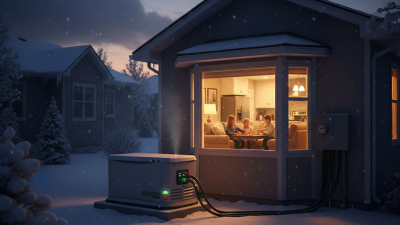
Choosing a generator starts with the failure you need to manage. A standby generator remains installed and starts automatically during a utility outage. It suits homes, clinics, offices, and sites where even brief interruptions create serious problems. A properly rated transfer switch helps prevent unsafe backfeeding. Load calculations matter more than advertised maximum output.

Prime generators serve locations without dependable grid power. Construction sites, farms, and remote facilities may run them for long periods. Their engines handle changing loads, but fuel quality, ventilation, and maintenance become daily concerns. From field experience, operators often underestimate starting currents from pumps, compressors, and refrigeration equipment. That mistake can cause voltage drops.

Portable generators offer flexibility for short tasks or emergency repairs. They are easier to move, but usually need manual setup, weather protection, and careful cable placement. Never use one indoors or in an enclosed garage. Carbon monoxide can accumulate quickly. My early assumption was that portability always meant convenience; crowded work areas proved otherwise. Noise, refueling intervals, grounding arrangements, and theft risk can change the decision. A technician should verify total running watts, starting watts, duty cycle, and local installation requirements before selecting equipment. Even a small lighting load deserves a realistic test under operation.

Evaluate Efficiency, Runtime, Noise, and Emissions

How to Choose the Right Power Generation Generator

Efficiency should be measured at your expected load, not only at the rated output. The U.S. EPA Combined Heat and Power Partnership reports approximately 30–40% electrical efficiency for many reciprocating engines. Light loading can reduce fuel efficiency and increase maintenance concerns. A 100 kW generator running at 25 kW may waste more fuel than expected. Runtime depends on tank capacity, load changes, and fuel quality. Calculate consumption at 50%, 75%, and 100% load. One estimate is rarely enough.

Noise and emissions can affect workers, neighbors, and future operating approvals. The World Bank Group’s Environmental, Health, and Safety Guidelines recommend 55 dBA during daytime and 45 dBA at night for residential areas. Measure noise at the property boundary, not beside the exhaust. The U.S. EPA estimates that burning one gallon of diesel produces about 10.21 kilograms of carbon dioxide. Local conditions still matter. Weather, ventilation, and maintenance can change real-world emissions. A perfect choice is unlikely.

Tips: Request a certified fuel-consumption curve and an independent noise test. Compare measured dBA values at several distances. Check carbon monoxide, nitrogen oxide, and particulate controls. Ask for service intervals and cold-start data. Do not oversize without evidence. Smaller units may run harder, but oversized units can operate inefficiently. Recheck the calculation before purchase.

Verify Installation, Safety, Maintenance, and Compliance Requirements

Choosing the right power generation generator begins with the installation site, not the price tag. Measure the expected load, starting current, available space, and ventilation. A unit that appears powerful enough may struggle when pumps or compressors start. Check the transfer switch, cable ratings, grounding method, and exhaust direction with a qualified electrician. Keep exhaust gases away from doors, windows, and air intakes.

Safety requirements must match the location and fuel system. Provide clear access around the generator for inspection and emergency shutdown. Install fire protection and fuel storage according to local rules. Ask the local authority whether permits, inspections, noise limits, or environmental approvals apply. Requirements differ between homes, factories, and temporary sites. Never assume a previous installation is compliant. That assumption can be costly.

Tips: Create a written maintenance schedule. Record oil changes, battery tests, coolant levels, and monthly startup results. Inspect wiring for heat marks and loose connections. Test the generator under a realistic load, not only at idle. Keep service records beside the control panel. A checklist helps, but it can miss changing conditions. I have seen clean equipment fail because nobody tested the automatic transfer function. Recheck the plan after renovations, seasonal weather changes, or added machinery. When uncertain, pause the installation and request a documented review from a licensed professional.

How to Choose the Right Power Generation Generator

Verify installation, safety, maintenance, and compliance requirements before selecting a generator. The chart uses a practical planning-priority scale from 1 to 5, where 5 represents the highest priority.

Safety and compliance should be validated with qualified electrical professionals and the applicable local codes, permits, environmental rules, and inspection requirements. Maintenance planning should include service access, inspection intervals, fuel quality, battery condition, and load testing.