How to Install a Generator Safely and Effectively for Your Home
In an era where power interruptions can significantly disrupt daily life, understanding how to install a generator safely and effectively has become an essential skill for homeowners. According to John Smith, a certified electrical contractor and generator installation specialist, “The key to a successful generator installation lies in thorough planning and adherence to safety practices.” His insights underscore the importance of preparation and knowledge when embarking on a home generator installation project.
Installing a generator is not merely about connecting wires and ensuring that it runs; it involves careful consideration of placement, compliance with local codes, and safety measures to protect both the homeowner and the property. A well-installed generator can provide peace of mind during outages, but improper installation can lead to safety hazards. Therefore, it is crucial to engage with the right information and best practices that guide homeowners through each step of the process.
In this guide, we will delve into the essential considerations for those looking to install a generator in their homes. By following expert recommendations and understanding the proper procedures, homeowners can ensure a seamless installation that meets their energy needs safely and effectively.
Safety Considerations When Choosing a Generator for Home Use
When choosing a generator for home use, safety considerations should be at the forefront of your decision-making process. First and foremost, it's essential to ensure that the generator you select meets safety standards pertinent to your region. Look for generators that come with features such as automatic shutdown capabilities, which can prevent overheating and other potential hazards. Additionally, consider the fuel type used by the generator; some fuels produce harmful emissions and require proper ventilation to avoid carbon monoxide poisoning. Opt for models that include safety zones or are designed for outdoor use to mitigate these risks.
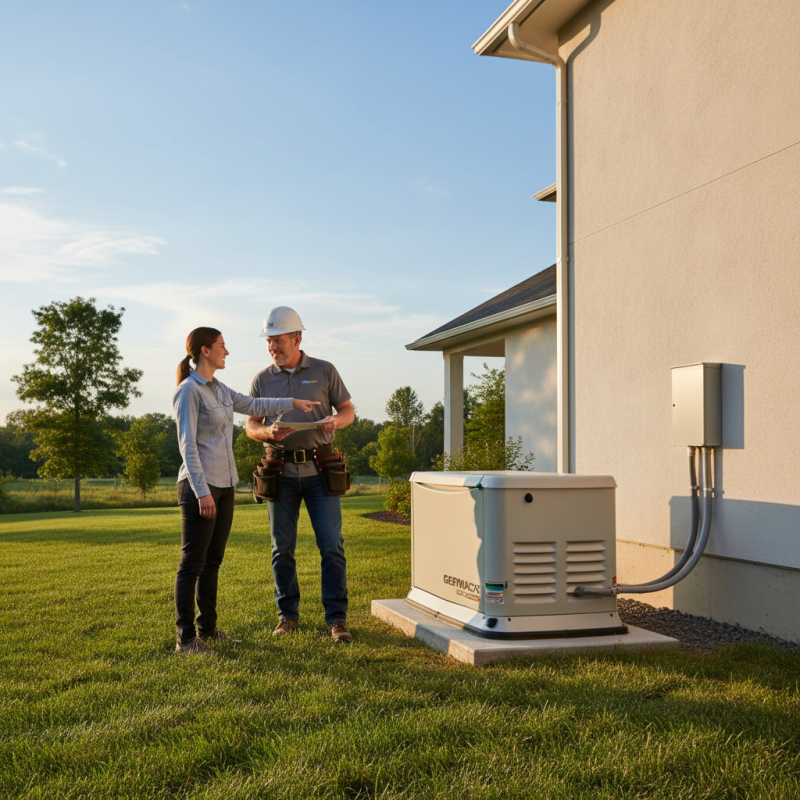
Another crucial aspect to address is the installation site of the generator. It is imperative to position the generator away from your home and any openings, such as windows and doors. This reduces the risk of exhaust fumes entering your living space. Employing an appropriate transfer switch is also vital, as it ensures safe power transfer from the generator to your home’s electrical system, preventing backfeed which can endanger utility workers during a power outage. Furthermore, regular maintenance and inspections of the generator are necessary to sustain its safe operation, ensuring that all components are functioning correctly and that there are no potential hazards that could arise from wear and tear.
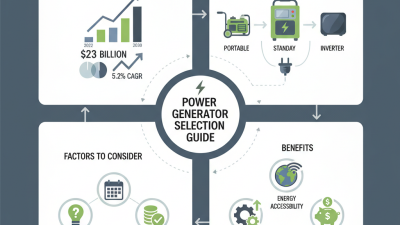
Understanding Generator Types: Portable vs. Standby Generators
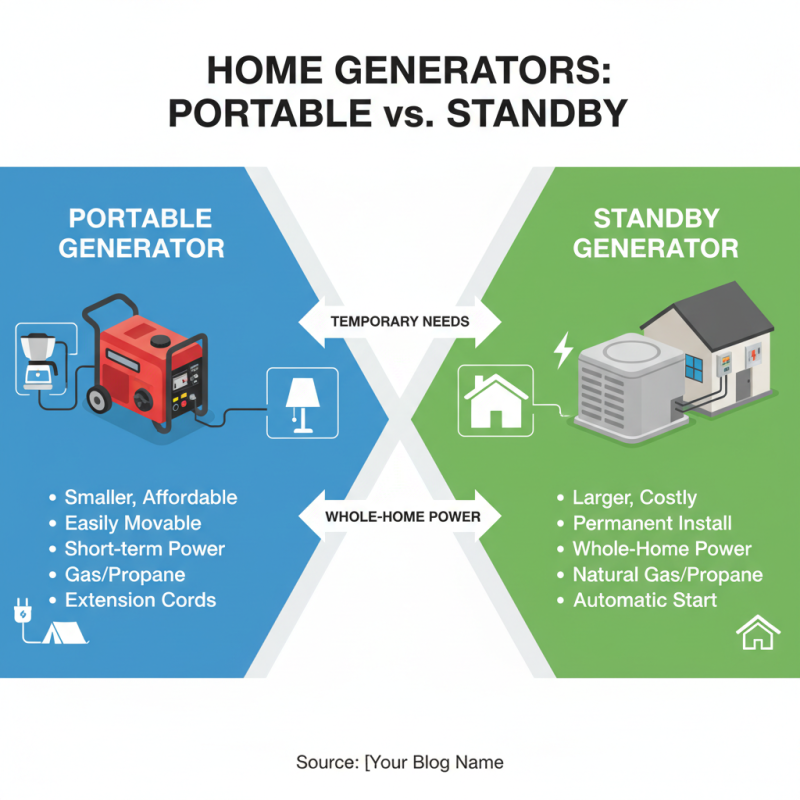
When considering the installation of a generator for your home, understanding the differences between portable and standby generators is crucial. Portable generators are typically smaller, more affordable, and easily movable, making them a practical choice for those who need power for short-term applications, such as camping or during a temporary outage. They usually run on gasoline or propane and can power essential appliances via extension cords. However, their limited power capacity means you must prioritize which devices to use during an outage.
On the other hand, standby generators are permanently installed and connected directly to your home's electrical system. They are powered by natural gas or propane and can automatically kick in during a power failure, providing a seamless transition and continuous power supply. Standby generators are more powerful, capable of supporting more appliances simultaneously, and are ideal for homeowners looking for a more comprehensive and reliable backup power solution. However, the installation process is more complex and typically requires the assistance of a qualified electrician to ensure safety and compliance with local codes. By understanding these generator types, you can make an informed choice that fits your home's power needs.
Essential Steps for Preparing Your Home for Generator Installation
Preparing your home for generator installation involves several essential steps to ensure safety and efficiency. Begin by assessing your power needs. Determine the appliances you want to run during an outage and calculate the total wattage required. This will help you select the right generator size. Next, choose a suitable location for the generator, ideally outside and away from windows, doors, and vents to prevent carbon monoxide buildup. Ensure the space is dry, well-ventilated, and easily accessible for maintenance.
Additionally, it's crucial to install a transfer switch to safely connect your generator to your home’s electrical system. This prevents backfeeding, which can endanger utility workers and damage your generator. Before installation, inspect your electrical panel to confirm it can handle the generator’s output. You might also need to clear the installation area of any potential hazards, such as debris or flammable materials.
Tips: Always check local codes and regulations regarding generator installation and positioning. This may significantly influence your setup and ensure compliance with safety standards. Consider consulting a licensed electrician to assist with the installation process, as their expertise can help prevent common mistakes that may compromise safety. Regularly maintain your generator based on the manufacturer's guidelines to keep it running smoothly when you need it most.
Generator Installation Effectiveness Across Different Tasks
Best Practices for Safe Electrical Connections and Usage
When installing a generator for home use, ensuring safe electrical connections is paramount. First, it is essential to position the generator outside in a well-ventilated area to prevent carbon monoxide buildup, which is a significant hazard. Use heavy-duty extension cords rated for the generator's output to connect appliances directly. Ensure that cords are free of cuts and wear to maintain a secure energy flow. Avoid overloading the generator by adhering to the manufacturer’s guidelines regarding its wattage capacity.
Furthermore, using a transfer switch is highly recommended for safely connecting a generator to your home's electrical system. This device isolates your generator from the utility grid, preventing back-feeding, which can harm utility workers and damage your generator. Make sure the transfer switch installation complies with local electrical codes, and consider hiring a qualified electrician for this task. Regular maintenance checks of both the generator and the connections will also contribute to safe usage, ensuring all components are in working order and free of any hazards.
Maintenance Tips to Ensure Generator Longevity and Performance
Proper maintenance is crucial to ensuring the longevity and performance of your home generator. Regularly checking and changing the oil not only keeps the engine running smoothly but also prevents excessive wear. Aim to change the oil every 20 to 30 hours of operation, or at least once a season if you use it less frequently. Keeping the fuel system clean and ensuring that the air filter is clear of debris can also enhance efficiency and prolong the life of your generator.
Tips: It is advisable to run your generator for a short period every month to keep the components lubricated and functioning properly. During this time, listen for any unusual sounds that may indicate maintenance needs. Additionally, ensure that all electrical connections are tight and free from corrosion, as loose or corroded connections can lead to performance issues and potential safety hazards.
Another important aspect of maintenance is storing your generator correctly. If you live in an area with harsh weather conditions, consider covering it or storing it indoors when not in use. Additionally, utilize a fuel stabilizer to keep gasoline fresh and prevent breakdown, especially if you plan not to use the generator for an extended period. Keeping a scheduled maintenance routine not only ensures reliable performance but also gives you peace of mind when the generator is needed most.