What is a Power System and How Does It Work?
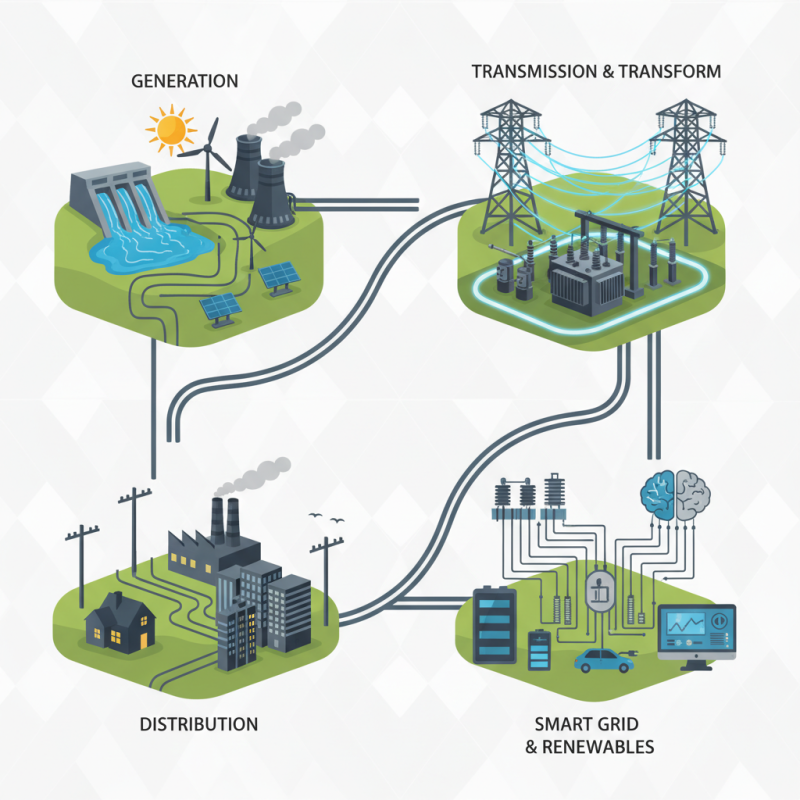
Power systems are essential for modern life. They provide electricity to homes, businesses, and industries. These systems involve a complex network of generators, transformers, and distribution lines. Understanding how they work can help us appreciate their importance.
When we flip a switch, we expect lights to turn on. This expectation highlights the reliability of power systems. However, failures do occur. Blackouts remind us that even the strongest systems can falter. It's crucial to know the components that keep these systems running smoothly.
Power systems also face challenges. The rise of renewable energy sources adds complexity. Balancing supply and demand becomes more difficult. Engineers must think creatively to solve these issues. Reflecting on these challenges can lead to better solutions for the future.
What is a Power System? Definition and Key Components
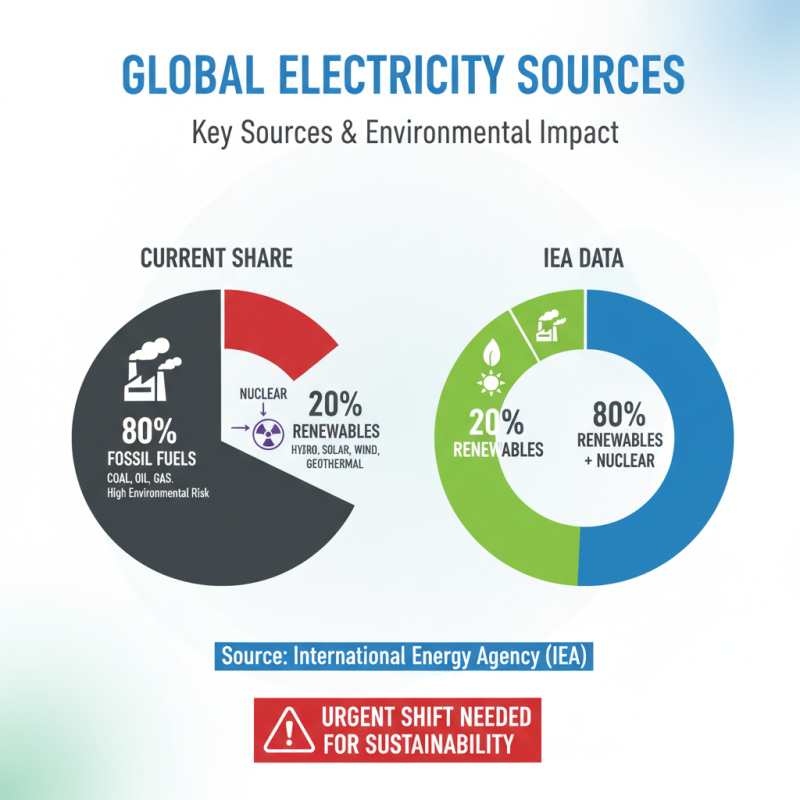
A power system is essential for generating, transmitting, and distributing electricity. It comprises several key components: power generation plants, transmission lines, substations, and distribution networks. According to the International Energy Agency (IEA), over 80% of global electricity is generated from fossil fuels, such as coal and natural gas. This reliance on non-renewable sources poses sustainability challenges.
One notable component is the power grid, which connects various generation sources to consumers. This grid must be robust and flexible. A report from the U.S. Department of Energy indicates that over half of energy losses occur during transmission. Improving efficiency is crucial for reducing costs.
Tips: Regular maintenance of power lines can lower outage rates. A study found that well-maintained systems experience 30% fewer failures. Moreover, integrating renewable energy sources can enhance grid resilience. Diversifying energy sources can address the unpredictability of supply and demand.
Power systems face recent hurdles. Aging infrastructure presents risks for reliability. Upgrading technology is not just beneficial; it's necessary. The push for cleaner energy will require innovative solutions. Efforts to incorporate smart grid technologies offer hope but come with implementation challenges. Balancing innovation and reliability will be key for future power systems.
Power System Components Overview
This chart illustrates the percentage distribution of the key components of a power system: Generation, Transmission, Distribution, and Load. Understanding these components is crucial for comprehending how a power system operates and maintains reliability.
The Generation of Electricity: Sources and Technologies Explained
Electricity generation is a vital part of modern society. The key sources include fossil fuels, nuclear power, and renewable energy. According to the International Energy Agency (IEA), about 80% of global electricity comes from fossil fuels. This heavy reliance poses environmental risks. Only 20% currently comes from renewables.
Renewable sources are growing quickly. Wind and solar power have increased significantly in the last decade. In 2020, wind energy accounted for 7.5% of total electricity generation, while solar contributed around 3%. Despite this growth, challenges remain. Energy storage and grid stability are pressing concerns. Not all regions are ready for a renewable transition.
Nuclear energy also plays a crucial role. It provides around 10% of the world’s electricity. However, safety concerns linger from past accidents. The role of each energy source is a complex balance. The pursuit of a sustainable future continues to face many hurdles. The transition demands innovation and public support.
Transmission Systems: How Electricity Travels Over Long Distances
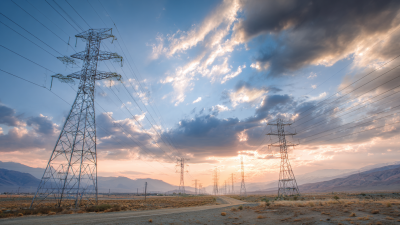
Electricity travels across long distances through transmission systems. These systems consist of high-voltage power lines. They carry electricity from power plants to substations. The process is essential for providing energy to homes and industries.
High-voltage transmission minimizes energy loss. Higher voltage means less heat during travel. However, the infrastructure can be costly. It requires careful planning and maintenance. Many regions face challenges in upgrading old lines. Aging infrastructure can lead to outages.
Tips: Always report any downed lines. Stay away for safety. Consider energy efficiency at home. Small changes can make a difference.
Transmission can also create environmental concerns. Power lines may disrupt wildlife habitats. Community protests often arise over new projects.
Balancing energy needs and environmental impact is crucial. Thoughtful approaches can lead to better solutions. There's room for improvement in every system.
Distribution Networks: Delivering Power to Homes and Businesses
Distribution networks are crucial in our daily lives. They are the pathways that carry electricity from power plants to our homes and businesses. These networks consist of various components, including transformers, substations, and transmission lines. Each part plays a role in ensuring that electricity is delivered efficiently.
A typical distribution network can have various complexities. It might face challenges like aging infrastructure and increasing demand. Sometimes, power outages occur due to weather conditions. These disruptions remind us of the delicate balance in power distribution. Many homes depend on these systems, but not all areas receive equal service. Some neighborhoods experience frequent outages, while others enjoy a steady supply.
Maintaining and upgrading distribution networks is essential. Yet, it's not always prioritized. This creates disparities that need attention. As society grows, the demand for reliable power increases. Addressing these issues is crucial. We must reflect on how we can improve these networks for everyone. Better systems mean a more sustainable future.
What is a Power System and How Does It Work? - Distribution Networks: Delivering Power to Homes and Businesses
| Dimension |
Description |
Value |
| Voltage Level |
Typical voltage levels in distribution networks |
11 kV, 22 kV, 33 kV |
| Load Capacity |
Average load capacity for residential areas |
50 - 150 kW |
| Distribution Area |
Typical area served by a distribution network |
20 - 50 km² |
| Number of Customers |
Average number of customers served |
500 - 2000 |
| Reliability Index |
Average reliability index in a year |
99.9% |
| Energy Losses |
Typical energy losses in distribution |
5-8% |
| Investment in Network |
Annual investment for maintenance and upgrades |
$500,000 - $2,000,000 |
Challenges in Power Systems: Reliability, Security, and Sustainability Issues
Power systems are intricate networks that deliver electricity from producers to consumers. However, as society evolves, these systems face significant challenges. Reliability is paramount, as power outages can disrupt daily life. Aging infrastructure often leads to failures. Many power lines were built decades ago and require upgrades.
Security is another pressing issue. Cyber threats target power systems, aiming to disrupt operations. With increasing interconnectivity, a single breach can cascade into widespread failures. Attacks can come from various sources, both domestic and international. Protecting these systems is critical but complex.
Sustainability is a pressing goal. As climate change concerns grow, transitioning to renewable energy sources becomes necessary. However, integrating these sources into existing grids is challenging. Not all regions have equal access to renewables. Some areas still depend on fossil fuels, which complicates the transition. Electric grids must evolve, but this transformation is slow and often flawed. These challenges require continuous reflection and adaptation.