2026 Top Power Generation Generator Technologies for Sustainable Energy?
The transition to sustainable energy is pressing. In the field of power generation, advancements in generator technologies are essential. Industry expert Dr. Emily Carter notes, "Innovative power generation generators will define the future of energy sustainability." Her insight emphasizes the need for change.
Today, power generation generators are not just machines. They represent a vital shift toward cleaner sources. Wind, solar, and advanced bioenergy technologies are gaining ground. Yet, challenges remain. Many existing systems are outdated and inefficient. Updating these technologies is crucial for real progress.
As we look to 2026, the evolution of power generation generators must focus on reliability and environmental impact. Companies must invest in research to enhance performance. The industry must address the imperfections in current solutions. This journey towards sustainable energy is complex, but necessary for our future.
Emerging Technologies in Power Generation for Sustainable Energy
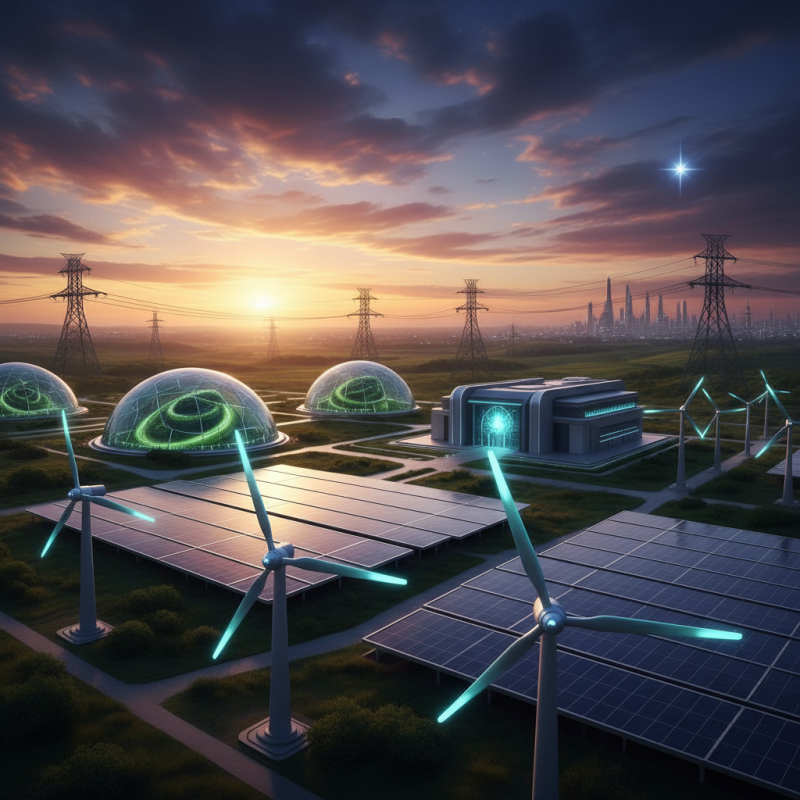
The future of power generation lies in innovative and sustainable technologies. Emerging solutions are reshaping how we produce and consume energy. One promising area is solar power. Advances in photovoltaic materials are improving efficiency and lowering costs. This shift makes solar energy more accessible. However, intermittency remains a challenge. Energy storage solutions are crucial for this technology to realize its full potential.
Wind energy is also evolving. Turbine designs are getting smarter, enhancing their ability to harness wind in various conditions. Floating wind farms are opening new possibilities in deeper waters, yet they require significant investment and infrastructure. Geothermal energy offers a stable source as well. However, exploring geothermal resources can be expensive and requires careful site assessments.
Hydrogen fuel cells are gaining traction as a versatile power source. They could revolutionize transportation and power stations. Yet, the production process still relies on fossil fuels in many regions. This dependency raises questions about true sustainability. As these technologies progress, continuous evaluation will be necessary. Finding the balance between innovation and practicality is key for a sustainable energy future.
2026 Top Power Generation Technologies for Sustainable Energy
The Role of Renewable Sources in Modern Energy Generation
The transition to renewable energy sources is crucial for sustainable power generation. Technologies such as solar, wind, and hydroelectric systems are leading the charge. According to a recent report by the International Renewable Energy Agency (IRENA), renewable energy sources account for over 29% of global electricity generation as of 2021. This figure is expected to rise sharply, potentially exceeding 50% by 2030.
The journey isn't without challenges. Integrating renewable technologies into existing infrastructure can be difficult. The intermittent nature of wind and solar power can create instability in energy supply. Countries are investing in battery storage and smart grids to address these issues. A study from BloombergNEF shows that global investments in energy storage could reach $620 billion by 2040.
Tips: Focus on local initiatives. Community solar projects can boost accessibility. Explore energy efficiency upgrades for your home. Every small step counts in this transition to sustainability. Embracing these changes can feel overwhelming. However, being proactive now will pave the way for a cleaner future.
Technological Advances in Energy Storage and Management Systems
The evolution of energy storage and management systems is crucial for sustainable energy. As we move towards 2026, technological advances are reshaping how we generate and utilize power. Energy storage solutions, like advanced batteries, are becoming more efficient and cost-effective. However, there are still challenges to address.
One major issue lies in recycling older battery technologies. Not all materials are biodegradable or easy to repurpose. This raises environmental concerns that need attention. Energy management systems play a key role in optimizing the use of generated power. They ensure energy is utilized efficiently and reduce wastage. Yet, integrating these systems into existing grids can be complex.
Data analytics tools are transforming energy management. They provide insights into consumption patterns. But they also raise privacy concerns. Users may feel uncomfortable with data collection. Striking a balance between efficiency and privacy is essential. While advancements are promising, continually reflecting on these challenges ensures sustainability is a shared goal.
2026 Top Power Generation Generator Technologies for Sustainable Energy
| Technology |
Description |
Efficiency (%) |
Energy Source |
Applications |
| Hydrogen Fuel Cells |
Convert hydrogen into electricity with water as the only by-product. |
60 |
Hydrogen |
Transportation, Backup Power |
| Solar PV with Battery Storage |
Solar panels combined with batteries to store excess energy. |
20 |
Solar |
Residential, Commercial |
| Wind Turbines |
Use wind energy to generate electricity through rotor movement. |
40 |
Wind |
Utility-Scale, Offshore |
| Biomass Energy Systems |
Convert organic material into electricity through combustion and other processes. |
20 |
Biomass |
Power Plants, Heating |
| Geothermal Energy Systems |
Use heat from the Earth’s core to generate steam for electricity. |
10-20 |
Geothermal |
Electricity Generation, Heating |
Key Challenges and Solutions in Implementing Sustainable Generator Tech
Implementing sustainable generator technologies faces significant challenges. One major issue is the high initial cost. According to a recent industry report, the upfront investment for renewable generators can be 30% more than traditional systems. This discourages many from making the switch. Financing options can be limited, especially for small businesses or developing regions.
Another obstacle lies in the technology itself. Many sustainable solutions are still in development. For instance, energy storage systems have not yet reached their full potential. Some reports indicate that battery efficiency still needs a 25% improvement to meet future energy needs. As these technologies evolve, manufacturers must prioritize affordability and efficiency. Without these improvements, widespread adoption will be slow and uneven.
Regulatory barriers also create hurdles. Many regions have outdated policies that do not support new technologies. Navigating this complex landscape can be daunting for investors. Moreover, inadequate infrastructure can hinder the deployment of these generators. This disconnection between technological advancement and regulatory frameworks needs urgent attention to foster sustainable energy growth.