Top 10 Power Generators That All Buyers Should Consider?
In today's world, reliable power generators are essential for both homes and businesses. According to a report by the International Energy Agency, global energy demand has increased by over 25% since 2000. This rising demand highlights the need for efficient power solutions. Power generators provide versatility in situations where grid electricity is unavailable. They serve as a backup during outages and are crucial for outdoor activities and construction sites.
Choosing the right power generator can be challenging. Factors such as capacity, fuel type, and portability play a significant role in decision-making. The generator market was valued at approximately $20 billion in 2022, as reported by ResearchAndMarkets. Industry experts emphasize that selecting a generator tailored to specific needs is vital. Many users tend to underestimate their power requirements, leading to insufficient backup in emergencies.
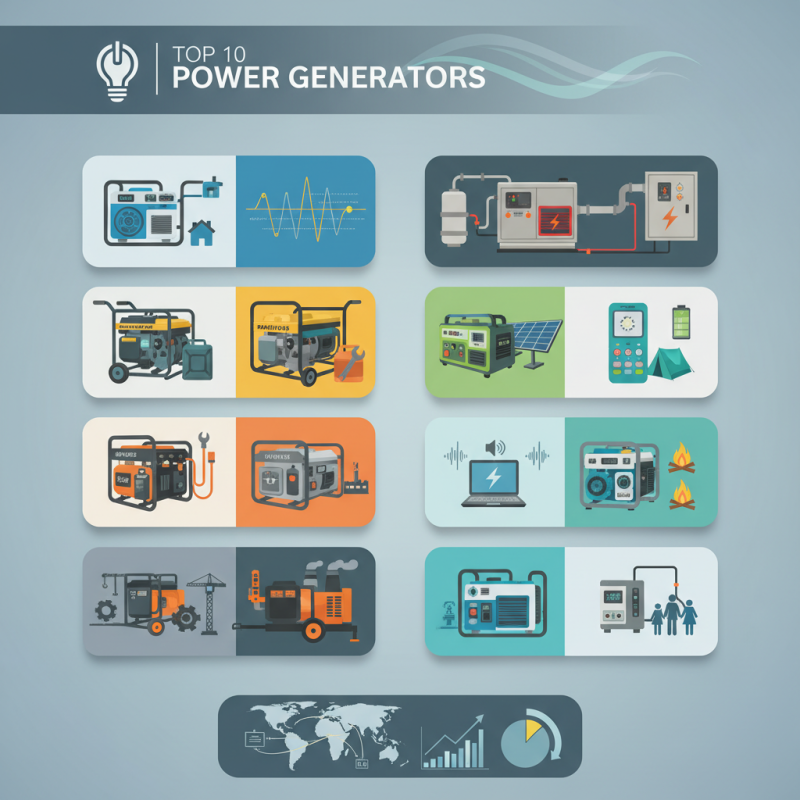
As we explore the top 10 power generators, it is essential to consider both functionality and reliability. Each model has unique features that cater to different situations. With many options available, making an informed choice can significantly impact your energy security. Understanding the landscape of power generators is crucial in today's energy-dependent society.
Essential Features to Look for in a Power Generator
When searching for a power generator, several essential features should be top of mind. The generator's wattage is crucial; it determines how many appliances it can power. According to a report by the U.S. Energy Information Administration, many households require around 5,000 to 7,500 watts to run essential devices during outages. Choosing a generator with adequate wattage could save you from frustrating power losses.
Portability is another key aspect. A lightweight generator allows for easy transport. Many users appreciate designs with wheels and handles for easy maneuverability. Noise levels must also be addressed; quieter generators (below 60 dB) are preferable for residential areas to avoid disturbing neighbors. A generator's fuel source impacts its usability as well. Gasoline, propane, and diesel have different storage and efficiency needs.
Tip: Always assess your power needs beforehand. Calculate your essential devices' combined wattage to determine generator specifications.
Another important feature is the runtime. A generator that runs for 8-12 hours on a single tank offers significant convenience during outages. Digital displays can simplify monitoring fuel levels and running time. However, consider maintenance needs—some generators require more frequent oil changes than others.
Tip: Be prepared to troubleshoot minor issues, even with a reliable generator. Regular maintenance can prolong its lifespan.
Top Brands in the Power Generator Market
The power generator market is highly competitive, with several top brands leading the way. According to a recent industry report, the global generator market is projected to reach $28 billion by 2025, growing at a CAGR of approximately 6%. This trend indicates a rising demand for reliable power sources, especially in residential and commercial sectors.
In the realm of efficiency and innovation, top brands focus on eco-friendly technologies. Many manufacturers now design generators that operate quietly and consume less fuel. A study revealed that models equipped with inverter technology could save users up to 30% in fuel costs. However, not all products meet the efficiency standards promoted by brands, leading to consumer frustration. It's crucial for buyers to examine the fine print and reviews before making a purchase.
The reputable brands also invest in research and development. This dedication helps create products that withstand harsh conditions. However, some offerings still have durability issues. Detailed customer feedback highlights the need for ongoing improvements in certain models. Using consumer insights is essential for buyers to navigate the market effectively and find the best value for their needs.
Comparative Analysis of Fuel Types for Power Generators
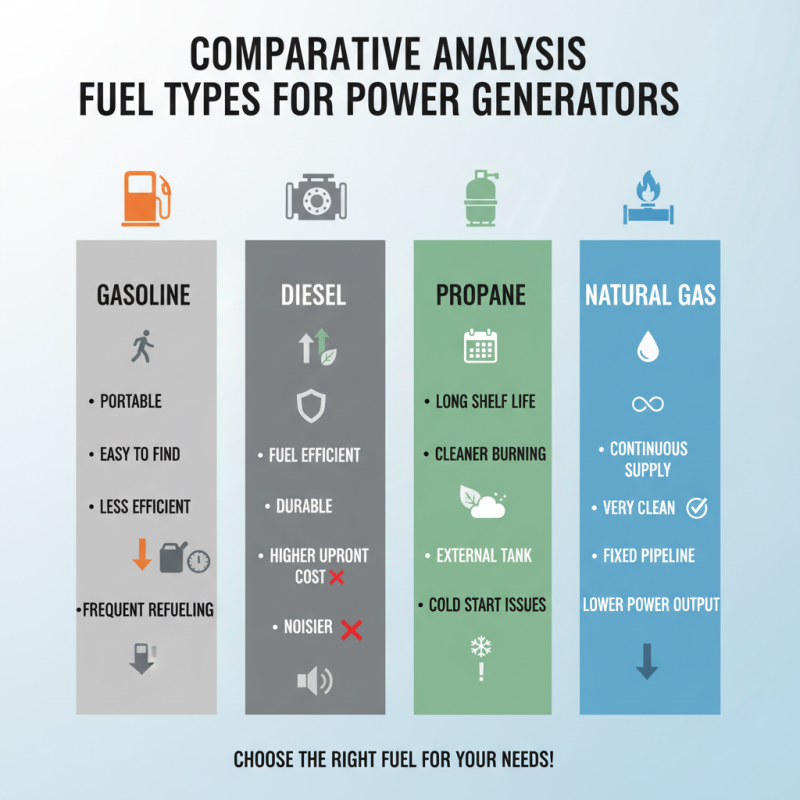
When considering power generators, fuel type is a critical aspect. Gasoline, diesel, propane, and natural gas are the most common options. Each fuel type offers unique advantages and challenges. For instance, gasoline generators are portable and easy to find. However, they are often less efficient and require more frequent refueling.
Diesel generators typically provide more power and better fuel efficiency. They have a longer lifespan, but they can be noisy and emit higher levels of pollutants. Propane generators are cleaner and quieter, making them suitable for residential areas. Yet, availability of propane can be a limitation.
Natural gas generators, often connected to a home’s utility supply, offer convenience. They produce fewer emissions but may not work during outages. Understanding these differences is essential. It allows buyers to make informed choices. Reflecting on your specific needs will help in selecting the right generator. Each fuel type brings distinct considerations. Finding the perfect fit may take time.
Safety Considerations for Operating Power Generators
Operating power generators safely is crucial for minimizing risks. According to the U.S. Consumer Product Safety Commission, improper generator use leads to over 70 deaths annually due to carbon monoxide poisoning. This staggering statistic emphasizes the necessity of adhering to safety protocols.
Carbon monoxide is a silent threat. It is colorless and odorless. Generators should never be used indoors or in confined spaces. The safe distance is at least 20 feet from any windows or doors. Ensure that the area is well-ventilated. Another concern is fuel handling. Fuel spills can lead to dangerous fires. Always store fuel away from living spaces and in approved containers.
Proper maintenance is equally important. Regularly inspect the generator for leaks, damage, or debris. A damaged generator can present various risks, from electrical shocks to fire hazards. Furthermore, operators should be trained in emergency shut-down procedures. Inadequate training often results in injuries during critical moments. Following these safety tips can help ensure both effective and safe generator operation.
Top 10 Power Generators Performance Comparison
Maintenance Tips for Maximizing Generator Lifespan
Maintaining a power generator is essential for its longevity and efficiency. Regularly checking oil levels is vital. A study from the Energy Information Administration shows that improper lubrication can reduce a generator's lifespan by up to 50%. Therefore, routine oil changes using high-quality oil are crucial for optimal performance.
Air filters should also be monitored closely. Clean air filters maximize airflow and efficiency. A clogged filter can strain the engine and lead to overheating, reducing operational lifespan. Experts recommend cleaning or replacing air filters every 100 hours of operation. Beyond maintenance, user awareness is critical. Noticing any strange noises or vibrations early can prevent significant damage. Proactive care can save costly repairs later.
Regular inspections of fuel systems help identify leaks or contaminations. Inadequate fuel quality can lead to engine problems. Diesel fuel, for example, requires specific treatment to avoid microbial growth. Following industry recommendations on fuel quality and maintenance can significantly extend the generator's life. Ignoring these practices may leave users frustrated and with unexpected costs.