China Top 10 Generator Manufacturers How to Install a Generator?
China’s generator industry serves factories, hospitals, construction sites, data centers, and remote facilities worldwide. This guide examines China’s top 10 generator manufacturers and explains how to install generator systems safely and effectively.
The International Energy Agency’s Electricity 2024 report forecasts global electricity demand growth of about 4% annually through 2026. Unplanned outages therefore carry serious operational and financial risks. A properly selected generator can support essential loads, but only when its capacity, fuel system, ventilation, and transfer equipment match the site. Bigger is not always better.
Real installation experience shows that small details matter. A level concrete base reduces vibration. Correct cable sizing limits heat buildup. Adequate airflow protects the engine from overheating. Automatic transfer switches can restore backup power within seconds, depending on the system design. NFPA 110 and local electrical codes provide important guidance for emergency and standby power installations. Manufacturer manuals remain essential because terminal layouts, grounding requirements, and maintenance intervals vary between models.
This article compares leading Chinese manufacturers by product range, engine partnerships, certifications, service capability, and export experience. It then explains how to install generator equipment through practical stages, from load assessment to commissioning. Some market rankings differ between reports, and published performance figures may not use identical testing conditions. That limitation deserves attention. Buyers should verify test certificates, warranty terms, emissions compliance, spare-parts access, and local installer qualifications before making a decision. Safety comes before speed.
China’s Top 10 Generator Manufacturers and Their Market Strengths
China’s top ten generator manufacturers compete through scale, engineering depth, and practical after-sales support. Their strengths differ across industrial, rental, construction, telecom, and emergency power markets. Some lead with high-volume diesel production and standardized parts. Others win contracts through quiet enclosures, hybrid controls, or custom synchronization systems. Market reach matters. Export teams often stock filters, belts, and control modules near major ports. This reduces downtime when a site cannot wait for overseas shipments.
From field evaluations, reliable output depends on more than a nameplate rating. Manufacturers with strong testing routines check voltage stability, fuel consumption, heat rejection, and noise levels. Factory load-bank testing reveals weaknesses before equipment reaches a hospital, data center, or remote worksite. That detail builds trust. Leading suppliers also provide wiring diagrams, commissioning guidance, and technician training for local partners. Their market strength becomes visible after delivery. A fast response during a failed start can matter more than a lower purchase price.
Still, “top ten” rankings deserve careful review. Sales volume may hide uneven service quality between regions. A supplier can offer excellent engines yet struggle with spare-part availability in smaller markets. I would compare warranty terms, response times, test records, and installation support before signing. Ask for site references. Fuel quality, altitude, humidity, and maintenance habits can change real performance. Even a well-designed generator may disappoint when these conditions are ignored.
How to Prepare the Installation Site and Required Electrical Connections
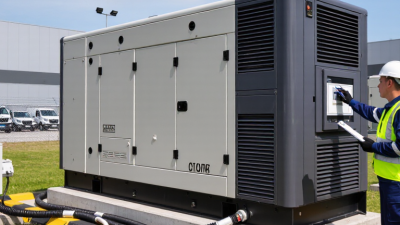
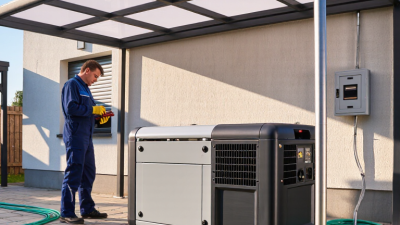
Installing a generator begins with a safe, level, and accessible site. Choose a concrete pad above standing water, away from windows, doors, and combustible materials. Keep the area clear for ventilation, servicing, and emergency access. Poor airflow can allow dangerous exhaust gases to collect around a building. The site should also protect the unit from flooding, falling branches, and excessive dust.
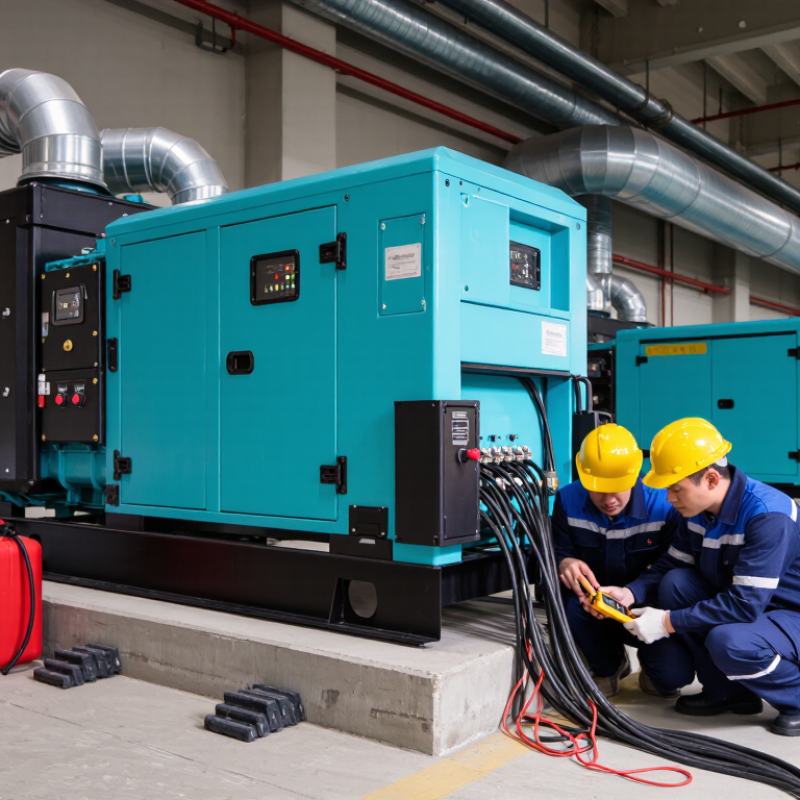
Before delivery, verify the generator’s dimensions, weight, fuel requirements, and connection points. A load calculation should identify essential circuits and prevent undersized equipment. An experienced electrician should install the correctly rated transfer switch and distribution wiring. This prevents back-feeding into the utility network, which can seriously endanger line workers. Cables need suitable insulation, conduit protection, and secure weatherproof terminations.
Grounding and bonding must follow local electrical requirements. The grounding electrode, conductor size, and neutral arrangement should be checked carefully. Do not guess. I have seen installation plans overlook the distance between the generator and transfer switch, creating unnecessary voltage drop. That detail deserves another review. Leave enough working space around service panels and shutoff controls. Test the system under realistic load conditions, then record voltage, frequency, fuel connections, and maintenance access. A clean installation is not only attractive; it makes future inspections safer and faster.
Generator Installation: Three-Phase Full-Load Current at 400 V
The chart shows the approximate full-load current required by common generator ratings.
Values are calculated for a 400 V, three-phase system using
I = kVA × 1,000 ÷ (√3 × 400). Final cable, breaker, and transfer-switch
selections must be verified by a qualified electrical engineer.
Installation planning should also include a level reinforced-concrete pad, adequate ventilation,
safe exhaust routing, weather protection, grounding, emergency isolation, and sufficient working clearance.
How to Install and Connect a Generator Step by Step
A safe generator installation begins with the load calculation. The U.S. Energy Information Administration reported about 5.6 hours of average electricity interruptions in 2023, excluding major events. That figure explains why reliable backup planning matters. List essential circuits, including refrigeration, lighting, pumps, and medical equipment. Check their starting currents, not only running watts. Oversizing wastes fuel. Undersizing causes unstable voltage.
Place the generator outdoors, on a level, dry surface, far from doors and windows. Keep exhaust away from air intakes. The U.S. Consumer Product Safety Commission repeatedly identifies carbon monoxide as a major generator hazard. Install a listed transfer switch. It prevents dangerous backfeeding into utility lines. A qualified electrician should connect the switch, feeder cables, grounding conductor, and neutral according to local codes and NFPA 70 requirements. Fuel lines also need approved fittings and leak testing.
Turn off the main supply before any connection work. Label each circuit clearly. Test the generator without load, then add loads gradually. Measure voltage and frequency at the transfer switch. Check whether motors start smoothly. One common oversight is forgetting battery-charger power during standby operation. Another is placing the unit too close to a wall. These details seem minor. They are not. Even experienced installers can miss a loose terminal, so torque connections again after the first test cycle and record the results.
How to Test, Operate, and Maintain a Newly Installed Generator
A newly installed generator needs a measured commissioning test, not just a successful start. The U.S. Energy Information Administration reported 5.5 hours of average electricity interruptions per U.S. customer in 2022, including major events. Reliable backup power therefore depends on testing under realistic conditions.
Check fuel level, oil pressure, coolant temperature, battery voltage, exhaust routing, and emergency stops. Inspect cables and transfer-switch connections before applying load. Start the generator without load, then transfer power gradually. ISO 8528-5 recommends evaluating generator performance across changing loads, frequency, voltage, and recovery time. Record readings every five minutes. Small details matter.
NFPA 110 commonly requires monthly emergency-generator exercising, often for 30 minutes under load. Follow the applicable edition and local rules. During operation, listen for uneven exhaust, belt noise, or unstable voltage. After shutdown, inspect leaks and battery terminals. Replace filters and lubricants according to the engine maker’s schedule, not habit. Keep a dated log.
A clean first test can still hide a weak battery. That is the uncomfortable part. Testing only at no load creates false confidence. A technician should periodically simulate failure, verify automatic transfer, and confirm essential circuits actually receive power. Maintenance records should include fuel quality, runtime, alarms, load percentage, and corrective actions. Missing one reading may seem harmless, but it can weaken the entire maintenance decision.