Top 10 Electrical Generator Manufacturers Worldwide
Selecting the world’s leading electrical generator manufacturers requires more than counting sales or brand recognition. A reliable comparison must examine engineering depth, field experience, manufacturing quality, and after-sales support. These factors become visible during real pressure: a hospital transfer switch must respond within seconds, while a data center may demand continuous power for thousands of servers.
Nikola Tesla wrote, “The present is theirs; the future, for which I really worked, is mine.” His words remain relevant to electrical generator development. Today’s manufacturers are working toward cleaner fuels, smarter controls, lower noise, and stronger grid integration. Diesel generators still dominate demanding industrial sites. Gas, hybrid, and renewable-supported systems are gaining ground. The best choice depends on application, not advertising alone.
This Top 10 Electrical Generator Manufacturers Worldwide overview compares companies through practical criteria. These include generator capacity, fuel efficiency, emissions management, automation, durability, global service coverage, and spare-parts availability. It also considers performance in construction, healthcare, telecommunications, manufacturing, mining, and emergency power systems.
No ranking is perfect. Some manufacturers excel in large utility projects but offer limited small-scale options. Others provide compact units with excellent monitoring systems but weaker regional support. That difference matters when a generator stops at midnight. A strong electrical generator should start reliably, hold stable voltage, operate safely, and remain serviceable years after installation.
The discussion also recognizes changing customer expectations. Buyers increasingly want remote diagnostics, quieter enclosures, flexible fuel choices, and lower operating costs. Technical specifications matter. So do technicians, manuals, response times, and real operating records.
Industry Scope and Criteria for Comparing Generator Manufacturers
Comparing the top 10 electrical generator manufacturers requires a clear industry scope. The review should include diesel, gas, hybrid, and renewable-supported generator systems. It should cover standby, prime-power, and continuous-duty applications. Small commercial units and large industrial systems need separate performance expectations. A hospital backup unit cannot be judged like a remote construction generator.
Reliable comparison starts with measurable criteria. Rated output, fuel consumption, voltage stability, noise control, and emissions performance matter. Independent load-bank testing can reveal weaknesses hidden by showroom specifications. Service coverage also deserves close attention. Response times, technician training, spare-parts availability, and remote monitoring affect real-world uptime. These details often matter more than a polished product brochure.
Safety and compliance must remain central. Manufacturers should demonstrate alignment with recognized electrical, environmental, and workplace standards. Warranty terms should be examined beside maintenance intervals and operating costs. Field experience adds useful context, especially in dusty sites, cold climates, and unstable grids. However, customer reports can be incomplete or biased. A ranking can mislead. Weighting every criterion equally may also distort the result. A data center may prioritize redundancy, while a farm may value simple repairs and low fuel use. Comparing verified test results with documented service records creates a fairer industry view.
Global Market Presence and Manufacturing Capabilities
The world’s leading electrical generator manufacturers compete through reach, resilience, and production depth. Their facilities often serve several regions, reducing delivery delays and supporting local projects. Manufacturing networks may include engine assembly, alternator production, control-panel integration, and final testing. This structure helps companies adapt equipment to different voltage systems, climates, and operating conditions. Markets differ.
A strong global presence depends on more than export volume. Regional service centers stock filters, bearings, sensors, and control components near customer sites. Trained technicians can inspect a generator under load, review vibration readings, and verify fuel efficiency. Reliable manufacturers also provide installation guidance, maintenance schedules, and documented test results. These details reveal practical experience, not just polished marketing language. Factory quality teams commonly track weld integrity, insulation resistance, noise levels, and emergency shutdown performance before shipment.
Manufacturing capability remains uneven across the sector. Some facilities use automated winding equipment and digital production records, while others depend heavily on manual inspection. Manual work is not automatically weak, but inconsistent documentation can create risk. A generator may perform well in a factory and struggle in a dusty mining site or humid coastal plant. This is where field feedback should reshape design choices. Buyers should examine service coverage, spare-parts availability, testing standards, and technician response times alongside rated output. A broad market footprint means little without dependable support after installation. Infrastructure matters more than slogans.
Top Electrical Generator Manufacturers and Their Core Strengths
The top ten electrical generator manufacturers compete through distinct core strengths, not identical product lists. Some lead in high-speed diesel sets for hospitals and construction sites. Others focus on natural-gas units, modular systems, marine power, or hybrid battery integration. Strong manufacturers also invest in automatic transfer controls, remote monitoring, and worldwide service networks. These details matter when a generator runs beside a dusty road, a cold warehouse, or a crowded data center.
The International Energy Agency’s Electricity 2024 report forecasts global electricity demand will grow by an average of 3.4% annually through 2026. That pressure supports demand for dependable standby and prime-power equipment. The Uptime Institute’s Global Data Center Survey also shows that power remains a major operational risk. Yet market rankings are not permanent. A manufacturer may excel in engine durability but lag in emissions controls or digital diagnostics. That weakness deserves honest review. Product claims should be checked against ISO 8528 performance data, fuel-consumption curves, noise readings, and local service records. A polished brochure is not field evidence.
Tips:
Match the generator’s rated load to real operating conditions. Check starting currents, altitude, ambient heat, fuel quality, and maintenance access. Request independent test results and failure-response times. For critical sites, compare redundancy designs, not only kilowatt capacity. The cheapest unit can become expensive after repeated service delays.
Generator Technologies, Applications, and Product Categories
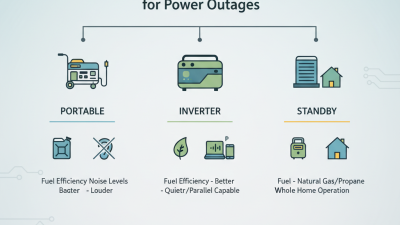
The top 10 electrical generator manufacturers worldwide compete through technology, reliability, and application-specific design. Their product categories include portable units, standby generators, prime-power systems, and continuous-duty machines. Diesel remains common for demanding industrial loads. Gas and dual-fuel systems can reduce local emissions and support cleaner operations. Hybrid systems combine batteries, solar input, and engines. They are useful where fuel delivery is difficult.
In field assessments, automatic transfer switches and remote monitoring often matter as much as engine size. Hospitals need rapid backup and strict power quality. Data centers require synchronized systems, redundancy, and stable voltage. Construction sites usually prefer mobile generators with rugged frames and simple controls. Marine, agricultural, residential, and telecommunications projects require different enclosures, frequencies, and fuel arrangements. A large generator is not automatically the best choice. Incorrect sizing may cause wet stacking, overheating, or poor fuel efficiency.
Tips: Measure real loads, including motor-starting currents. Check voltage, frequency, altitude, temperature, and noise limits. Ask for verified efficiency data and maintenance intervals. Confirm local service capability before purchasing. I would recheck every projected load; estimates are often too optimistic. Consider parallel operation when expansion is likely. Do not ignore cable length, ventilation, or fuel storage. Small details decide reliability.
Factors Influencing Manufacturer Selection Worldwide
Choosing among the top 10 electrical generator manufacturers worldwide requires more than comparing output ratings. The right supplier must match the site’s load profile, climate, fuel access, and maintenance capacity. The IEA’s Energy and AI report estimates that data centers used about 415 TWh of electricity globally in 2024. Demand could exceed 945 TWh by 2030. Backup systems therefore need fast response, stable performance, and dependable service support.
Fuel efficiency matters, but it is not the only cost. Buyers should examine fuel availability, emissions requirements, noise limits, cooling design, and spare-parts access. ISO 8528 testing can help verify generator performance under changing loads.
The Uptime Institute’s Global Data Center Survey also highlights the continuing operational impact of power interruptions, making commissioning quality and maintenance planning essential. A cheaper unit may become expensive when technicians, filters, batteries, or transport are difficult to secure.
Local experience often separates a reliable supplier from a persuasive sales presentation. Ask for documented service coverage, realistic repair times, warranty conditions, and load-bank test records. Consider altitude and heat; a generator rated for sea level may deliver less power in a hot, elevated location. No ranking captures every climate. That is the uncomfortable part. Manufacturer selection remains partly technical judgment, not a neat scorecard. Fresh fuel, trained operators, and routine testing still decide whether equipment starts when the grid fails.