Top 10 Generator Systems Tips Every Global Buyer Should Know?
In the world of generator systems, understanding key factors can significantly impact purchase decisions. John Smith, an expert in energy solutions, once stated, "Choosing the right generator system can save businesses time and money." This insight rings true for global buyers navigating a complex market.
Generator systems are crucial for various industries. They provide essential power backup and fuel efficiency. However, many buyers overlook critical aspects when selecting these systems. Features such as noise levels, fuel types, and maintenance requirements can vary widely. A lack of awareness could lead to costly mistakes.
Buyers must also consider the supplier's reliability. Not all manufacturers offer the same quality and support. Opting for a trusted brand can provide peace of mind. Yet, even well-regarded companies have hiccups. Reflecting on these challenges can guide future purchases and improve decision-making in this vital sector.
Understanding Different Types of Generator Systems Available Globally
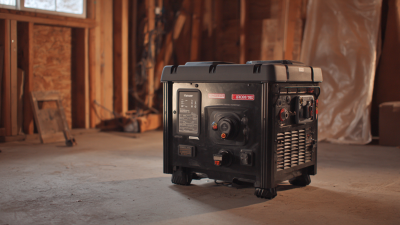
When considering generator systems, it's crucial to understand the various types available. Portable generators are popular for outdoor activities and emergency backup. They provide flexibility and are easy to transport. However, they tend to have limited power output and can be noisy.
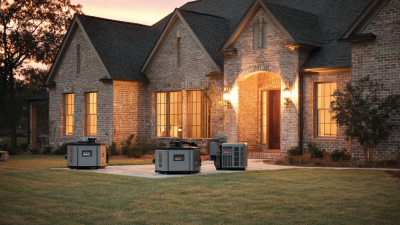
On the other hand, standby generators offer a more permanent solution. These systems automatically activate during power outages. They are connected directly to the home’s electrical system, providing seamless power restoration. However, installation can be complex and costly.
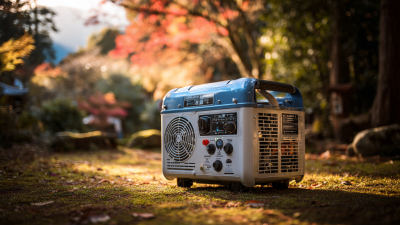
Inverters are a newer option. They are lightweight and efficient, converting DC to AC power. This type is quieter and produces cleaner electricity. However, they may not handle heavy loads well. Understanding these differences can guide global buyers in making informed decisions. More information is often needed to find the right system. Buyers should reflect on their specific needs and the limitations of each type.
Top 10 Generator Systems Tips Every Global Buyer Should Know
Key Factors to Consider When Choosing a Generator System for Your Needs
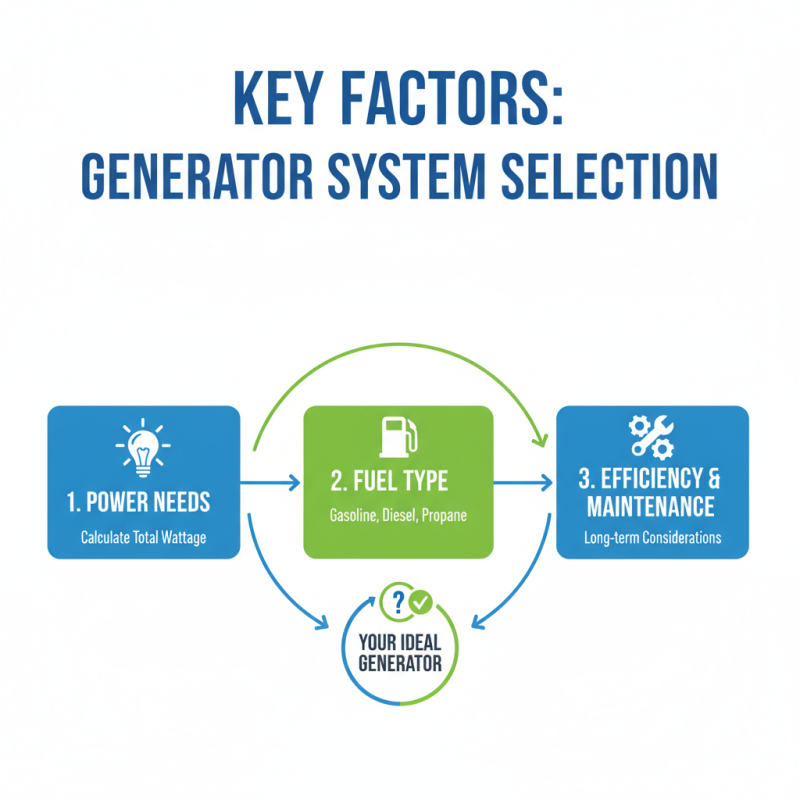
When choosing a generator system, several key factors come into play. Assessing your power needs is crucial. Calculate the total wattage required by all appliances and systems. This will guide you in selecting the appropriate generator size. Consider the type of fuel as well. Gasoline, diesel, and propane have different implications for efficiency and maintenance.
Reliability is another essential aspect. You want a generator that performs consistently. Some models have higher failure rates, leading to downtime and frustration. Read reviews and consult industry experts. Their insights can save you from costly mistakes. Don't overlook portability if you plan to move the generator frequently. Weight and mobility features matter.
Finally, think about noise levels. Some generators can be extremely loud, causing disturbances. Research models designed for quieter operation. This can enhance your overall experience, especially in residential areas. A well-thought-out decision will serve you well in the long run. Each choice you make has consequences that can impact your efficiency and satisfaction.
Importance of Maintenance and Support Services for Generator Systems
Maintenance and support services are critical for the longevity of generator systems. Regular maintenance can reduce the risk of unexpected breakdowns. A recent industry report highlighted that about 30% of generator failures are due to poor maintenance practices. Ensuring generators receive routine checks can significantly enhance their performance and reliability.
Support services often include immediate on-site assistance and technical guidance. According to the same report, companies that utilize comprehensive support systems experience 25% fewer operational interruptions. This is crucial for industries relying heavily on continuous power supply. Without proper backup, businesses risk productivity losses and increased operational costs.
Investing in an effective maintenance strategy is essential. Yet, many buyers overlook this aspect, focusing only on initial costs. The reality is that a well-maintained generator can outperform a poorly maintained one significantly. A reliable support team also improves response times, reducing the average downtime caused by failures. Each of these factors is vital in ensuring a generator system operates optimally over its lifespan.
Cost Analysis: Budgeting for Purchase, Installation, and Operation of Generators
When planning to purchase a generator, consider the complete cost analysis. It’s crucial to look beyond the initial purchase price. Installation expenses can vary significantly. Factors such as site preparation, electrical hookups, and permits can add to your budget. Plan for these hidden costs to avoid financial surprises.
Operational costs also deserve attention. Fuel type plays a role in ongoing expenses. Diesel or natural gas could impact long-term budgeting. Regular maintenance is essential for performance. Factor in service contracts or DIY care options. It's easy to underestimate these factors, leading to unplanned expenditures.
Lastly, think about the generator's lifespan. High-quality systems may require a larger upfront investment but could save costs over time. Reflect on your long-term needs. Will the generator meet future demands? Understanding these elements is vital for every global buyer. Balancing initial costs with operational efficiency will lead to smarter decision-making in the generator market.
Top 10 Generator Systems Tips Every Global Buyer Should Know
| Tip No. |
Tip Description |
Cost Factors |
Estimated Cost (USD) |
| 1 |
Assess Your Power Needs |
Load analysis, peak vs. average |
Free |
| 2 |
Consider Fuel Type |
Diesel, Natural Gas, Propane |
$2,000 - $10,000 |
| 3 |
Evaluate Generator Size |
kW rating requirements |
$5,000 - $15,000 |
| 4 |
Installation Costs |
Labor, permits, site prep |
$1,500 - $3,500 |
| 5 |
Regular Maintenance |
Oil changes, service checks |
$300 - $800 annually |
| 6 |
Sound Level Considerations |
Noise reduction, location |
$500 - $1,500 |
| 7 |
Compliance with Regulations |
Local codes and standards |
Varies by region |
| 8 |
Generator Lifespan |
Longevity, usage |
$10,000 - $25,000 |
| 9 |
Insurance Considerations |
Policy costs, coverage |
$200 - $500 annually |
| 10 |
End-of-Life Disposal |
Recycling, disposal fees |
$100 - $300 |